
For South African entrepreneurs entering the poultry industry, navigating the complex initial setup without a clear roadmap can lead to costly errors and operational inefficiencies. A comprehensive Poultry Farm Startup Guide is not just helpful; it is a critical tool for building a resilient and profitable business from the ground up, tailored to local conditions.
- Conducting a localized market analysis and writing a viable business plan.
- Navigating provincial and national regulatory requirements for farm registration.
- Securing appropriate land, water access, and reliable energy sources.
Beyond initial planning, a robust Poultry Farm Startup Guide is essential for making informed capital investments. It helps entrepreneurs avoid overspending on unnecessary equipment or underestimating operational costs. The guide should provide a clear, phased approach to procurement and setup:
- Financial Planning: Creating a detailed budget with contingency funds, often 15-20% of the total projected cost.
- Infrastructure Development: Step-by-step instructions for constructing poultry houses suited to local climates.
- Equipment Selection: Guidance on choosing between manual and automated systems for feeding, watering, and climate control based on scale and budget.
Ultimately, leveraging a thorough startup guide transforms a complex venture into a manageable series of steps, significantly de-risking the investment. It ensures entrepreneurs build a compliant, efficient operation poised for long-term success in South Africa’s competitive agricultural sector.
Budgeting for Core Infrastructure: The Foundation of Your Poultry Farm Startup Guide
This section delves into the financial planning for essential structures and systems, a critical step often underestimated in a new farmer’s journey. A solid budget for core infrastructure directly impacts your operational efficiency and long-term profitability, making it a cornerstone of any successful Poultry Farm Startup Guide.
- Housing Construction: Secure, ventilated poultry houses sized for your target flock, with costs varying significantly by region and materials.
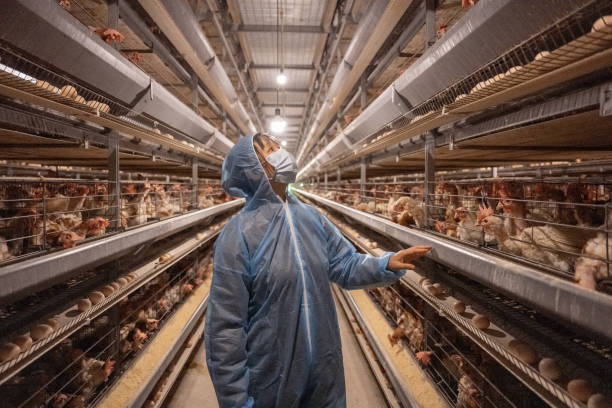
- Biosecurity Infrastructure: Fencing, footbaths, and dedicated entry points to mitigate disease risks prevalent in local climates.
- Essential Utilities: Reliable water supply systems, backup power solutions for load-shedding, and basic ventilation.
To create a realistic budget, follow this sequential approach:
- Define your operational scale (e.g., 5,000 broilers or 2,000 layers) and model.
- Source quotes from multiple local suppliers for construction and equipment.
- Allocate a contingency fund of 15-20% for unforeseen expenses, a vital buffer in any sound Poultry Farm Startup Guide.
| Infrastructure Category | Key Cost Drivers (South Africa) | Budgeting Tip |
|---|---|---|
| Poultry Housing | Material costs, labor, size | Prioritize durability over lowest upfront cost. |
| Utilities & Environment | Borehole vs. municipal water, generator capacity | Factor in ongoing fuel costs for backup power. |
Accurate budgeting transforms your plan from concept to reality. We specialize in providing tailored infrastructure solutions and detailed cost projections for the South African market. Contact our team for a personalized farm layout and capital expenditure breakdown to secure your foundation.
Planning for Key Equipment Costs in Your Poultry Farm Startup Guide
This section of your Poultry Farm Startup Guide details how to budget for essential infrastructure, helping you avoid unexpected expenses and allocate capital efficiently for a sustainable operation in South Africa.
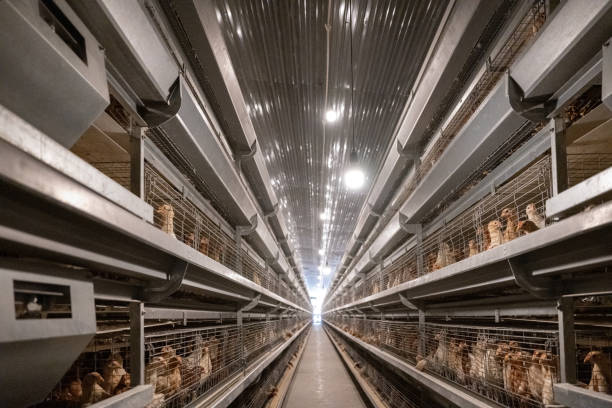
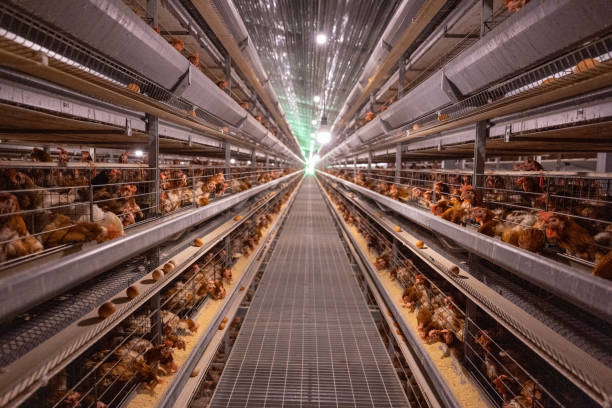
- Housing and Ventilation: Includes poultry houses, fans, and cooling pads, which can constitute 40-50% of initial setup costs.
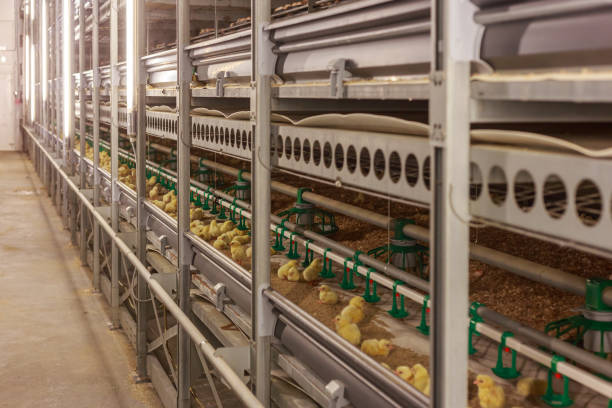
- Feeding and Watering Systems: Automated feeders, drinker lines, and feed storage silos.
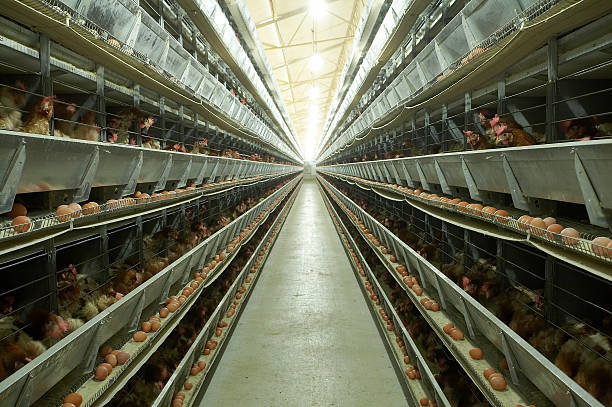
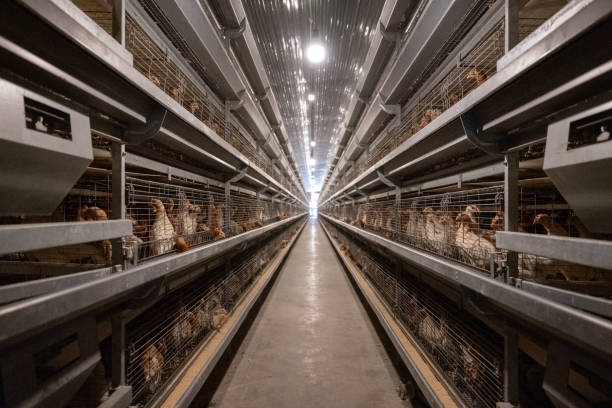
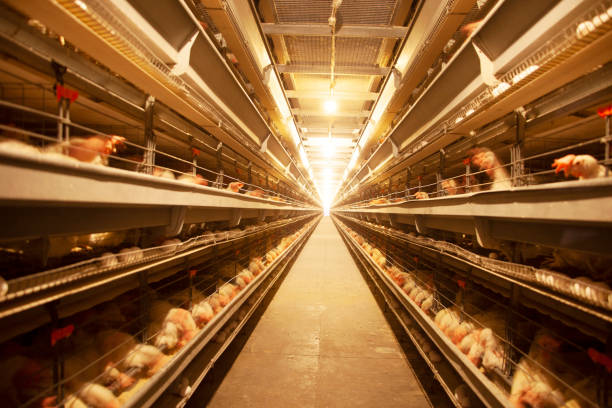
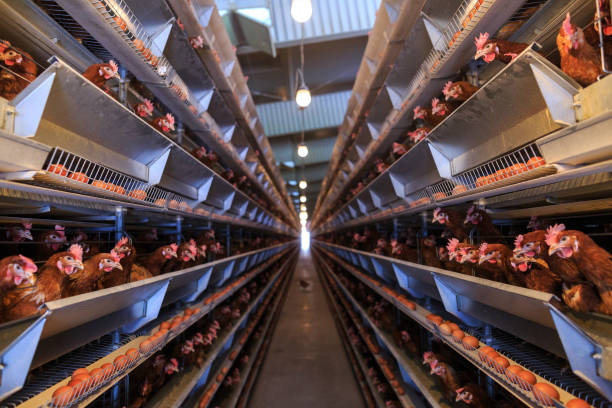
- Bird Housing Systems: Battery cages for layers or broiler floor rearing equipment.
- Climate Control and Biosecurity: Heaters, sensors, and disinfectant spray systems.
To create a realistic budget, follow this sequential planning process outlined in any thorough Poultry Farm Startup Guide:
- Define your production model (e.g., 5,000 layers or 10,000 broilers per cycle) and calculate the required housing square footage.
- Source quotes from local and international suppliers for the equipment categories above, factoring in delivery and installation.
- Prioritize durable, energy-efficient systems that reduce long-term running costs, a critical consideration given South Africa’s variable energy prices.
| Equipment Category | Approximate Cost Share | Key Budgeting Consideration |
|---|---|---|
| Housing Structure | 40-50% | Insulation quality for local climate extremes |
| Core Bird Systems | 25-35% | Automation level vs. manual labor costs |
By planning these costs meticulously, you secure the foundation for operational efficiency. We provide detailed equipment consultations and lifecycle cost analyses tailored for the South African market. Contact us for a customized capital expenditure plan based on your specific farm scale.
Avoiding Hidden Expenses to Ensure a Viable Commercial Operation
When launching a commercial poultry venture in South Africa, a meticulous focus on long-term operational costs is as crucial as the initial capital outlay. This section of our Poultry Farm Startup Guide details how to identify and mitigate common hidden expenses that can undermine profitability, ensuring your business model remains viable from day one.
- Energy Inefficiency: Poorly designed ventilation or lighting can increase monthly electricity bills by 15-25%.
- Water System Leaks: A single dripping nipple can waste over 1,000 litres monthly, impacting both water bills and litter quality.
- Labour Inefficiency: Manual feeding or egg collection in an undersized facility can inflate labour costs, which often constitute 20-30% of ongoing expenses.
A strategic procurement plan is your best defence. Follow this sequence to lock in predictable costs:
- Conduct a Total Cost of Ownership (TCO) Analysis: Compare equipment not just on purchase price, but on projected 5-year costs for maintenance, spare parts, and energy use.
- Prioritise Local Service & Spares: Opt for machinery with readily available local technical support to avoid costly downtime and expensive imported part delays.
- Plan for Scalability: Invest in modular systems that allow for expansion without requiring a complete infrastructure overhaul, protecting your initial investment.
By integrating these cost-control strategies into your initial planning, you build a more resilient financial foundation. For a detailed breakdown tailored to operations in South Africa, including region-specific utility estimates, request our comprehensive Poultry Farm Startup Guide cost projection template.
From Cost Analysis to Profitability: Planning for a Sustainable Business
This section moves beyond initial costs to examine the long-term financial planning required for a profitable and resilient poultry operation in South Africa. A thorough cost analysis is the cornerstone of any successful Poultry Farm Startup Guide.
A detailed financial plan should account for both capital expenditure (CAPEX) and operational costs (OPEX). Key steps include:
- Calculating initial investment for land, housing, and equipment like automated feeders.
- Projecting monthly running costs for feed, utilities, labor, and veterinary care.
- Modeling revenue based on production cycles, market prices, and sales channels.
- Investing in energy-efficient equipment to reduce long-term OPEX.
- Implementing strict biosecurity to minimize flock losses.
- Exploring value-added products or direct sales to improve margins.
Ultimately, meticulous planning transforms a startup into a sustainable business. We specialize in durable, cost-effective equipment tailored for the South African market. Contact us for a customized profitability projection based on your farm scale.