
Large-Scale 20,000-Capacity Chicken House in Kenya
When we talk about large-scale poultry farming in Africa, Kenya stands out—not just for its rapidly growing demand for eggs and poultry meat, but also for its progressive adoption of modern, space-efficient, and climate-responsive chicken housing systems. In recent years, several forward-thinking Kenyan farmers and agribusinesses have commissioned 20,000-bird capacity chicken houses—fully equipped, modular, and designed for high productivity with low operational overhead. If you’re exploring this scale—or even planning your first commercial unit—you’ll want to know what makes a successful 20,000-capacity chicken house tick, especially under Kenyan conditions: from coastal humidity to Rift Valley altitude, from grid instability to feed logistics. At Zhengzhou Livi Machinery Manufacturing Co., Ltd, we’ve supplied over 38 such turnkey poultry houses to clients across Kenya since 2019—from Nyeri to Kisumu, Mombasa to Nakuru—and we’re sharing real-world insights, not textbook theory.
What Makes a 20,000-Bird House Work Well in Kenya
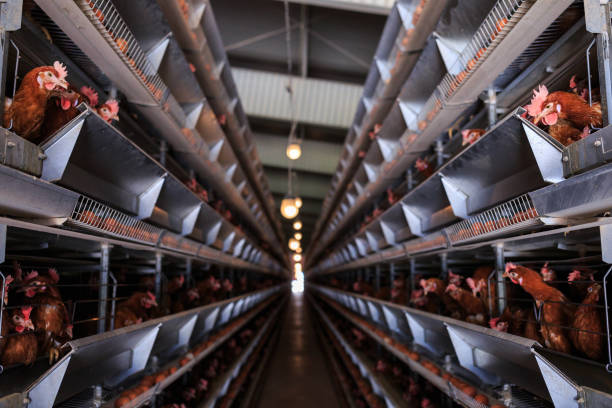
Let’s cut through the buzzwords: “large-scale” doesn’t automatically mean “high-performing.” A 20,000-bird chicken house needs smart design—not just big square footage. First, ventilation is non-negotiable. In Kenya’s tropical lowlands, temperatures can hover above 32°C daily, while inland highlands face chilly nights and heavy afternoon rains. We recommend tunnel ventilation combined with ridge vents and adjustable side curtains—no fixed windows. That way, airflow adapts as the weather changes, keeping birds stress-free and feed conversion ratios steady. Second, flooring and litter management matter immensely. We avoid concrete floors unless absolutely necessary; instead, most of our Kenyan clients opt for raised wire-floor systems with automated manure scrapers—cutting ammonia buildup by up to 65% and slashing cleaning labor by 80%. Third, power resilience: since grid outages still happen, our standard builds integrate dual-power options—solar-ready inverters + backup diesel generators—so cooling fans, drinkers, and lighting never shut down unexpectedly. And yes—we’ve pre-wired dozens of systems for off-grid operation with battery banks sized for 48-hour autonomy. It’s not luxury; it’s reliability.
Smart Layouts, Local Materials, Real Logistics
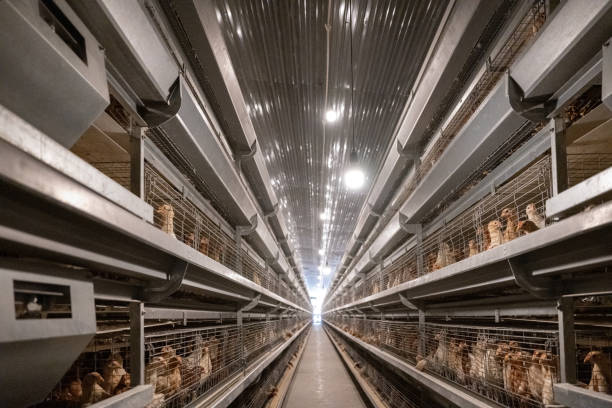
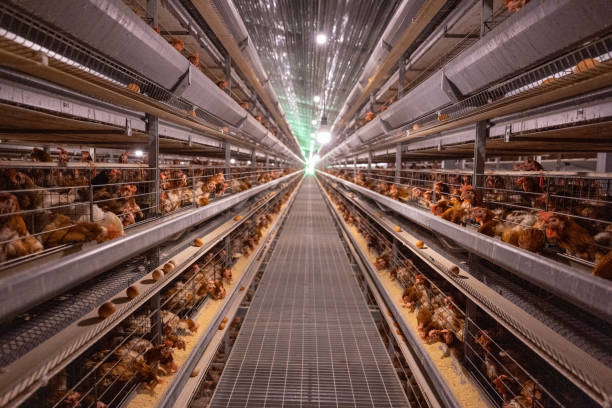
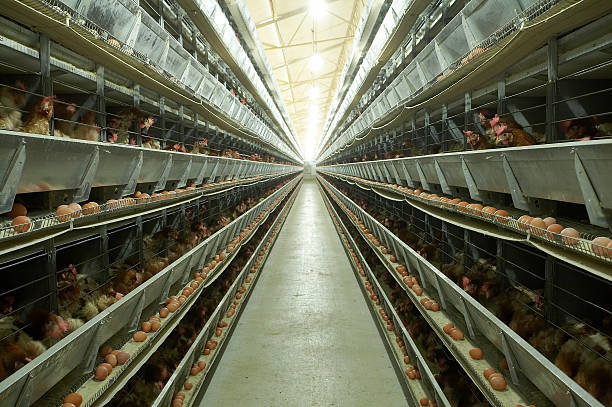
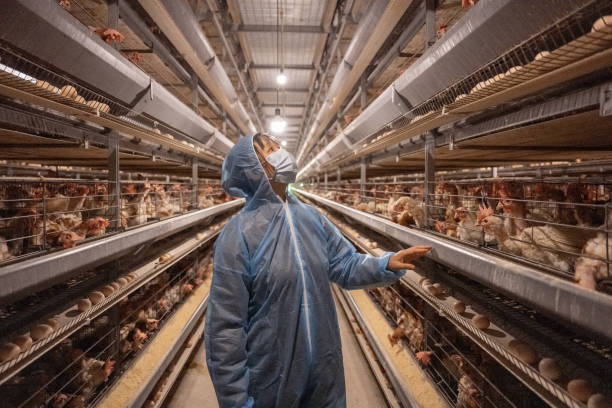
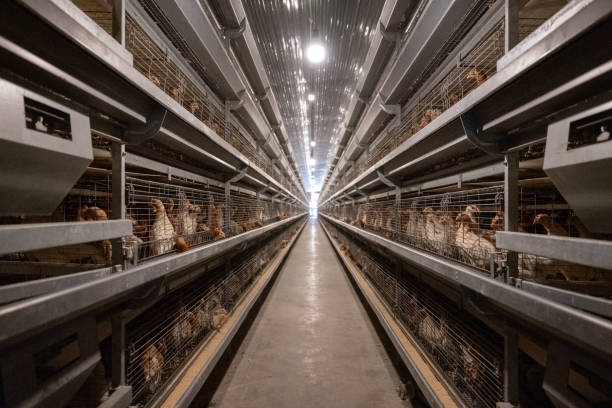
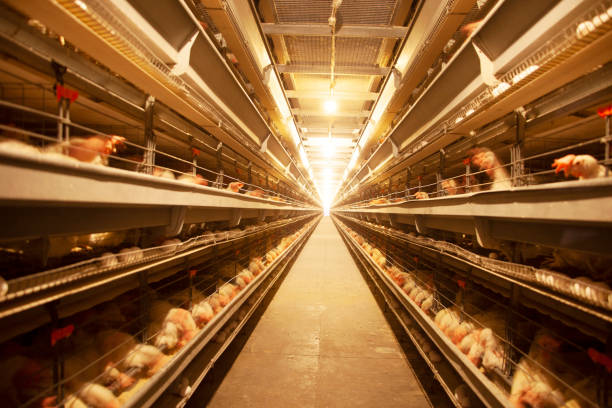
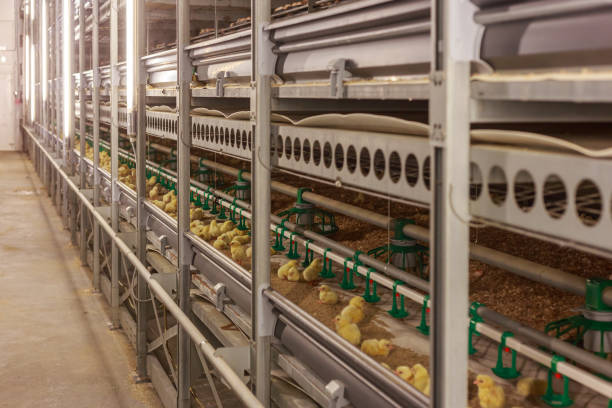
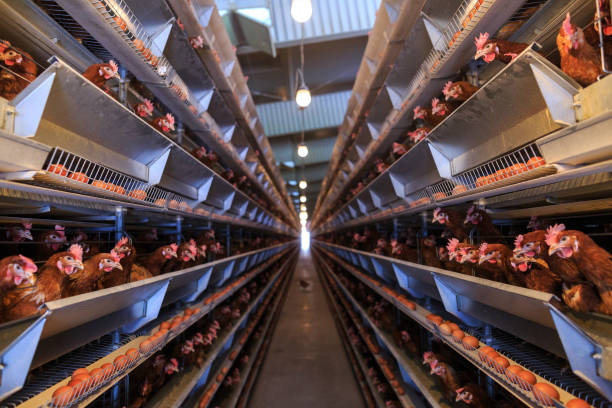
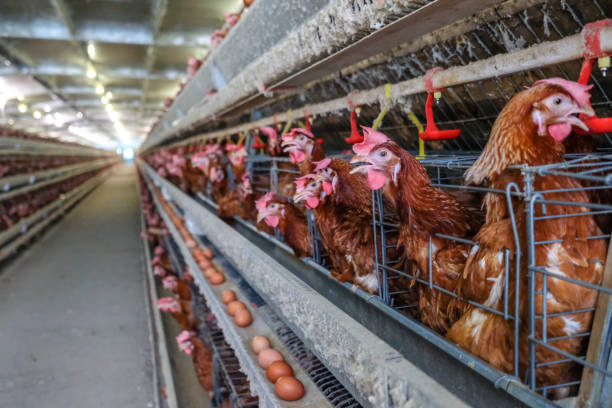
Some suppliers sell a “20,000-bird house” as one massive barn with no zoning—but that’s where problems start. Our typical Kenyan layout divides the house into three functional zones: a 3-meter-wide central service corridor (for feeding, health checks, and manure removal), flanked by two identical 7.5-meter-wide production bays—one for layer cages, one optionally convertible for broilers or pullets. Each bay holds exactly 10,000 birds in stacked, galvanized steel cages: 4-tier A-type for layers, with integrated nipple drinkers, LED lighting timers, and egg collection belts that run directly to a packing area. Why 4 tiers? Because vertical stacking maximizes land use—critical when farm plots cost KES 8–12 million per acre near urban centers like Thika or Ruiru. And yes, all cage frames are hot-dip galvanized in China, not painted on-site—that’s how we guarantee 12+ years of rust-free service even in humid coastal areas like Kilifi. As for local integration: we partner with Kenyan structural engineers to adapt roof pitches for monsoon runoff, source locally available insulation materials (like recycled rice husk panels) for thermal buffering, and design doorways wide enough for standard 12-tonne tippers—because delivery trucks will be coming in weekly.
From Foundation to Flock: Your End-to-End Support Journey
Starting a 20,000-bird operation isn’t just about ordering equipment—it’s about timing, permits, skills, and follow-up. That’s why every Livi project in Kenya begins with free site assessment: one of our East Africa-based agronomists visits your land, measures slope, wind direction, groundwater level, and proximity to roads and vet clinics—then shares a customized layout sketch within 5 working days. No sales pitch. Just facts. Once confirmed, our team handles foundation surveys, civil works supervision (we provide certified drawings compliant with KEBS SP 17 standards), import clearance coordination in Mombasa, and on-site installation by bilingual Chinese-Kenyan technicians—trained at our Zhengzhou factory and fully certified in biosecurity protocols. Post-handover, you get a 3-year structural warranty, lifetime technical support via WhatsApp/WeChat (yes—we reply same-day during East Africa business hours), and free refresher training every 6 months—for your manager, supervisor, and new staff. We’ve even helped clients register their farms with the Kenya Animal Genetic Resources Centre (KAGRC) and link their feed intake data to mobile dashboards for real-time margin tracking. It’s not just equipment delivery—we’re part of your farm’s growth story.
Ready to Design Your Own 20,000-Bird House? Let’s Start Simple
If you’re reading this, chances are you’ve already walked your land, crunched some numbers—or maybe you’re still comparing quotes from five different suppliers. That’s totally fine. What matters is asking the right questions before signing anything: Does the system include ventilation performance specs—not just fan count? Is the cage wire thickness 3.2mm (minimum for 10-year durability)? Are drinker lines UV-stabilized for Kenya’s intense sunlight? Can the egg belt handle 98% collection efficiency at 32°C ambient? Don’t settle for glossy brochures. We’ll send actual photos from our ongoing Kiambu project—same soil type, same rainfall pattern—or jump on a quick Zoom call to walk through your site satellite image together. No pressure. Just honest, experienced advice—backed by 12 years of building for farms across Nigeria, Ethiopia, Tanzania, and now 38 sites in Kenya. Drop us your name, location, and preferred contact method below—and we’ll follow up within 24 hours with a tailored initial proposal, including estimated timelines, CAPEX breakdown, and ROI benchmarks based on current Nairobi egg prices (KES 28–35 per dozen) and day-old chick costs. Your next flock deserves more than a building—it deserves a system built to last, learn, and grow with you.
Frequently Asked Questions
How much land do I need for a full 20,000-bird chicken house?
You’ll need roughly 0.8–1.2 acres for the main house (+ ancillary buildings like feed store, generator shed, and waste composting area). With efficient vertical caging, our standard 100m × 12m structure fits comfortably—even on irregular plots.
Can I start with 10,000 birds and expand later?
Absolutely—and many Kenyan clients do. Our modular design lets you begin with one 10,000-bird bay, operate for 6 months to test markets and cash flow, then add the second bay within 4–6 weeks. All electrical conduits, water mains, and ventilation ducts are pre-sized for full capacity.
Do your systems work during prolonged power cuts?
Yes—with built-in redundancy. All packages include solar-compatible inverters, programmable battery charging, and critical loads prioritized (cooling > lighting > egg belts). We’ve had clients run seamlessly for 3 consecutive days on batteries alone during extended Kisii outages.
What’s the average build time from order to first flock?
Typically 10–14 weeks: 3 weeks for documentation & shipping from China, 4 weeks for customs and transport to site, 3–4 weeks for civil works + installation. Weather permitting, your first pullets can enter at Week 15.
Do you offer financing or partner with Kenyan lenders?
While Livi doesn’t lend directly, we work closely with selected partners like NCBA Bank’s Agri-Finance Unit and JuaKali Leasing, who accept our equipment valuation reports for up to 70% asset-backed loans—sometimes with grace periods aligned with flock maturity.
Are spare parts easy to get in Kenya?
Yes—we stock top-10 wear items (nipple drinkers, motor belts, PLC modules, cage clips) at our Nairobi service hub in Industrial Area. Orders placed before noon ship same day; most arrive within 48 hours anywhere in Kenya.
Can I use local feed and still get good results?
Definitely. Our cages and climate controls are optimized for Kenyan feed formulations—from Unga-supplied layer mash to Suntra broiler crumbles. In fact, we’ve improved FCR by 0.08 points on average just by fine-tuning feeder height and light intensity per local ration specs.
Do you help with bird sourcing and vaccination plans?
Yes—we partner with reputable hatcheries like Kenchic and Hybro Kenya, and co-develop breed-specific health calendars (including Newcastle, Gumboro, and EDS schedules) aligned with local disease pressure patterns.
Is biosecurity built-in—or am I expected to manage it separately?
It’s woven in: dedicated boot-dip stations at every entry point, rodent-proof skirting, sealed utility conduits, and aluminum insect mesh rated for 95% fly reduction. We even install UV-C air purifiers in service corridors upon request.
What happens if something breaks during the rainy season?
Our technicians operate year-round—including April–May—and carry waterproof toolkits and spares. With our predictive maintenance alerts (via optional IoT sensors), we often spot issues before they cause downtime—and dispatch support within 72 hours, rain or shine.