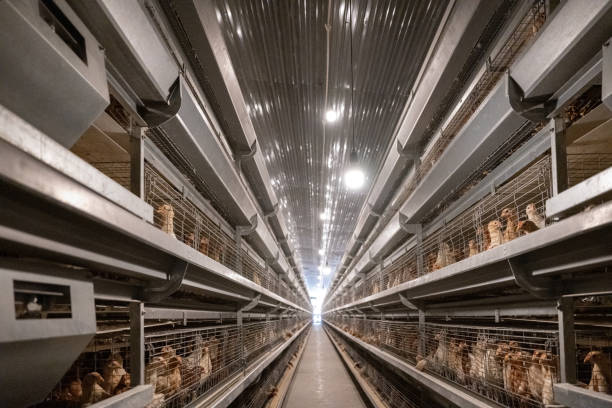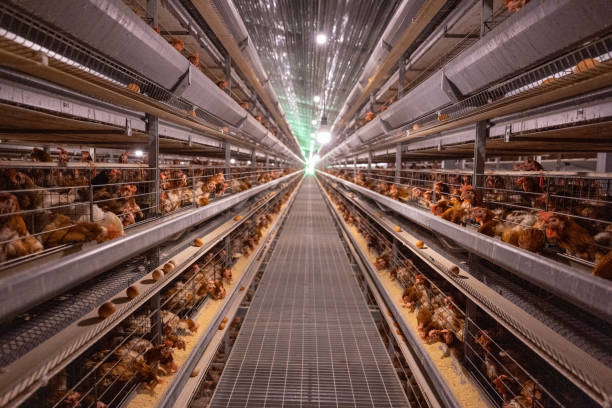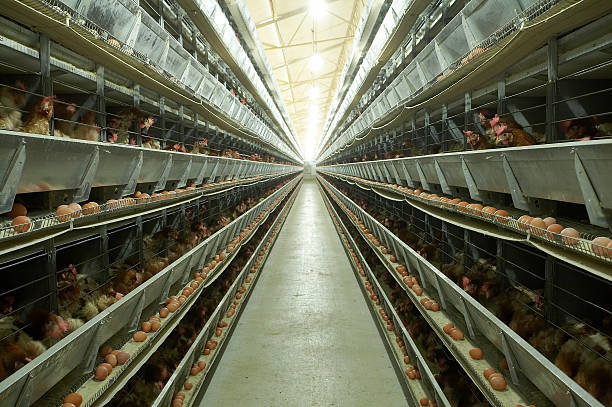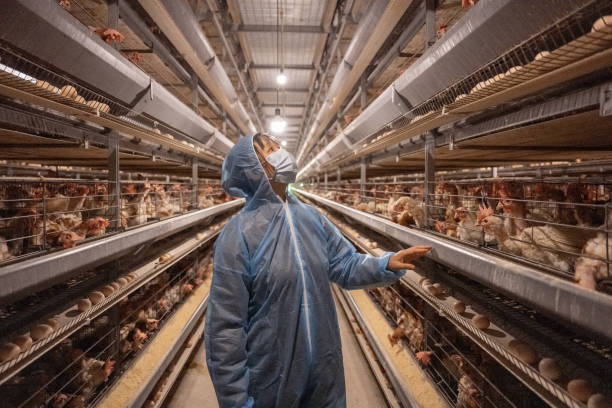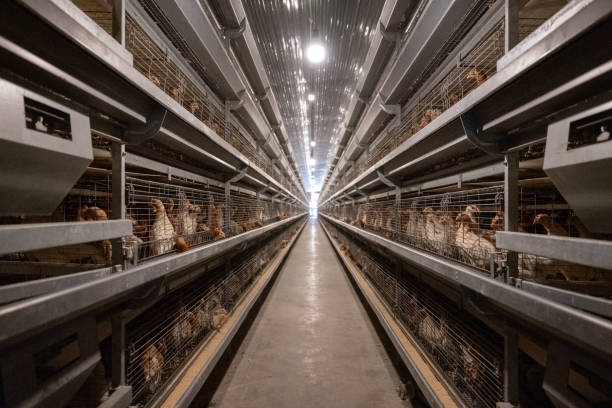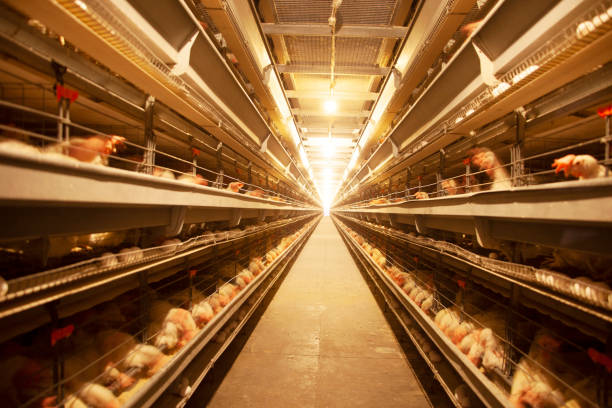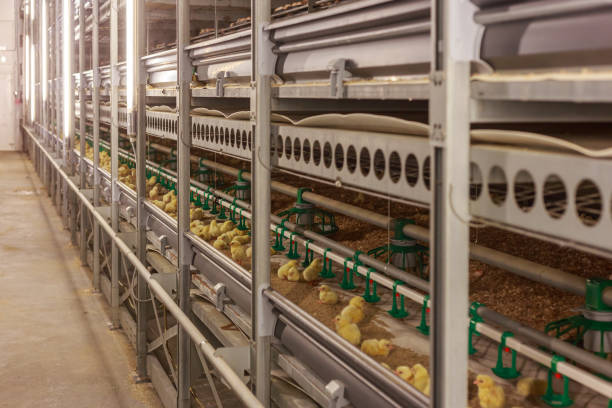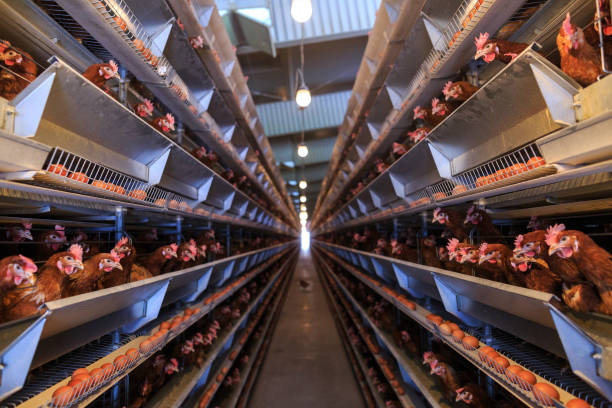

Before we get into specific numbers, let’s talk about what determines the price of poultry cages. Understanding these factors helps you evaluate whether a quote is reasonable and what kind of value you’re actually getting.
Material quality is the biggest factor. Cages made from hot-dip galvanized steel with a thick zinc coating cost more than those made from painted mild steel or light-gauge galvanized. But here’s the thing: quality cages last 10 to 15 years. Cheap cages start rusting in 2 to 3 years. The upfront savings disappear quickly when you’re replacing equipment or dealing with higher mortality and lower production.
Wire gauge affects both price and durability. Thicker wire (lower gauge numbers) costs more but resists sagging under the weight of birds. Thin wire may look fine initially, but over time it bends, floors sag, and egg roll-out is compromised.
Automation level dramatically affects price. A fully automated system with automatic feeding, drinking, egg collection, and manure removal costs more upfront but saves enormous labor costs over time. A manual system is cheaper to buy but requires more workers daily.
Cage type matters. H-type cages generally cost more per bird space than A-type cages because they pack more birds into the same footprint and require stronger construction. But they also give you more birds per square meter of building, which can offset the higher equipment cost.
Supplier reputation affects price. Established manufacturers with proven track records and after-sales support charge more than unknown suppliers who disappear after the sale. Paying a bit more for reliability and support is usually worth it.
Price Ranges by System Type
Let’s get into specific numbers. These are approximate ranges based on current market conditions and typical Livi Machinery pricing. Actual prices vary based on specifications, exchange rates, and shipping costs.
Manual A-Type Layer Cages (Basic)
These are the most affordable option for farmers starting out or working with existing buildings that have lower ceilings. Manual systems require workers to feed, collect eggs, and manage manure by hand.
- Price range: $15 to $25 per bird space
- For 1,000 birds: $15,000 to $25,000
- For 5,000 birds: $75,000 to $125,000
- For 10,000 birds: $150,000 to $250,000
These systems include the cages themselves and basic manual feeders and drinkers. You’ll need to budget separately for installation and building modifications if needed.
Semi-Automatic A-Type Layer Cages
These systems add some automation—typically automatic feeding, sometimes automatic drinking, but egg collection and manure removal are still manual or semi-manual.
- Price range: $25 to $35 per bird space
- For 1,000 birds: $25,000 to $35,000
- For 5,000 birds: $125,000 to $175,000
- For 10,000 birds: $250,000 to $350,000
Semi-automatic systems reduce labor significantly compared to manual systems, especially for feeding. They’re a good middle ground for farmers who want to reduce labor costs but aren’t ready for full automation.
Fully Automated H-Type Layer Cages
These are the modern standard for commercial egg production. They include automatic feeding, nipple drinking, automatic egg collection, and manure removal belts. Some systems also include environmental controls.
- Price range: $35 to $60 per bird space
- For 5,000 birds: $175,000 to $300,000
- For 10,000 birds: $350,000 to $600,000
- For 20,000 birds: $700,000 to $1,200,000
- For 30,000 birds: $1,050,000 to $1,800,000
- For 50,000 birds: $1,750,000 to $3,000,000
These prices are in US dollars. For Ugandan shillings, multiply by current exchange rates (approximately 3,700 to 4,000 UGX per USD as of 2025).
Broiler Cages
Broiler cages are designed for meat birds and have different specifications than layer cages. Prices are similar to layer cages but can vary based on floor strength and configuration.
- Price range: $30 to $55 per bird space
- For 5,000 broilers: $150,000 to $275,000
- For 10,000 broilers: $300,000 to $550,000
- For 20,000 broilers: $600,000 to $1,100,000
Brooder Cages
These are used for young chicks and are typically smaller and less expensive per bird space.
- Price range: $10 to $20 per chick space
- For 5,000 chicks: $50,000 to $100,000
What’s Included in the Price
When comparing quotes, it’s important to understand exactly what’s included. A complete system typically includes:
- Cages: The frame, wire mesh, doors, and supports
- Feeding system: Feed silos, auger or chain, hoppers, troughs
- Drinking system: Nipple drinkers, pressure regulators, filters, pipes
- Egg collection (for layers): Conveyor belts, drive motors, cross conveyors
- Manure removal: Belts under each tier, drive motors, cross conveyors
- Control panels: Timers and basic controls
- Hardware: Bolts, clips, connectors
- Installation manuals and support
What’s typically NOT included:
- Building construction (houses, floors, roof, walls)
- Electrical work beyond basic control panels
- Plumbing beyond the drinking system connections
- Installation labor (though many suppliers offer installation services for additional cost)
- Shipping and customs clearance (discussed below)
- Birds, feed, and operating supplies
Additional Costs to Consider
When budgeting for your poultry cage system, don’t forget these additional expenses.
Shipping to Uganda: Most equipment comes from manufacturers in China or other countries. Sea freight to Mombasa (Kenya) or Dar es Salaam (Tanzania) followed by overland transport to Uganda adds significant cost. For a 10,000-bird system, shipping might add $5,000 to $15,000 depending on container count and current freight rates.
Customs clearance: Uganda Revenue Authority charges import duties on poultry equipment. The rate varies but is typically around 10% to 25% of the CIF value (cost, insurance, freight). Work with a clearing agent who understands agricultural imports.
Building construction: A proper poultry house with concrete floor, insulated roof, and good ventilation can cost $50,000 to $100,000 for a 10,000-bird house, depending on materials and location. Don’t skimp here—a good house is essential for bird health and production.
Installation: If you hire professionals to install your cages, budget 10% to 15% of equipment cost. Many farmers do installation themselves with a crew using supplier manuals and videos, which saves money but takes time.
Initial birds: Point-of-lay pullets in Uganda might cost UGX 15,000 to 25,000 each. For 10,000 birds, that’s UGX 150 million to 250 million.
Feed inventory: You’ll need feed on hand from day one. For 10,000 layers, budget several million shillings for initial feed purchases.
Price Comparison by Supplier Type
In Uganda, you have several options for purchasing poultry cages. Each has different pricing structures.
Direct from International Manufacturers (like Livi Machinery):
- Pros: Factory-direct pricing, quality control, customization options
- Cons: Longer shipping times, you handle import clearance
- Typical pricing: Lower equipment cost, higher shipping cost
Local Distributors and Dealers:
- Pros: Local support, faster delivery, easier payment in shillings
- Cons: Markup on imported equipment, limited selection
- Typical pricing: 20% to 50% higher than factory-direct for the same equipment
Local Manufacturers (Uganda-made cages):
- Pros: Lowest upfront cost, no shipping, easy to inspect
- Cons: Quality varies widely, may not use proper galvanization, limited automation options
- Typical pricing: Often 30% to 50% less than imported quality cages
Be careful with local cages. Some are well-made, but many use thin wire, poor galvanization, and substandard materials. They may look fine when new but rust out quickly in Uganda’s climate.
Cost Examples by Farm Size
Let’s look at some real-world examples to give you a sense of total investment for different farm sizes in Uganda.
Example 1: 5,000-Bird Layer Farm (Semi-Automatic)
- Semi-automatic A-type cages: $125,000 to $175,000
- Shipping and customs: $10,000 to $15,000
- Building (one house): $30,000 to $50,000
- Installation: $10,000 to $15,000
- Initial birds (5,000 pullets): UGX 75 million to 125 million (approx $20,000 to $35,000)
- Total approximate investment: $195,000 to $290,000
Example 2: 10,000-Bird Layer Farm (Fully Automated H-Type)
- Fully automated H-type cages: $350,000 to $600,000
- Shipping and customs: $15,000 to $25,000
- Building (one house): $50,000 to $80,000
- Installation: $35,000 to $60,000
- Initial birds (10,000 pullets): UGX 150 million to 250 million (approx $40,000 to $70,000)
- Total approximate investment: $490,000 to $835,000
Example 3: 20,000-Bird Broiler Farm
- Broiler cages: $600,000 to $1,100,000
- Shipping and customs: $20,000 to $35,000
- Buildings (two houses): $80,000 to $120,000
- Installation: $60,000 to $110,000
- Initial chicks (20,000 day-olds): UGX 40 million to 80 million (approx $10,000 to $22,000)
- Total approximate investment: $770,000 to $1,387,000
Financing Options for Ugandan Farmers
Given these investment levels, financing is often necessary. Here are options to consider.
Commercial banks: Banks like Stanbic, Centenary, and others offer agricultural loans. You’ll need a solid business plan, collateral, and usually some equity contribution.
Microfinance institutions: Some offer smaller loans for poultry equipment, often with higher interest rates but more flexible requirements.
Supplier financing: Some equipment suppliers offer payment plans or installment options. This is more common with local dealers than with international manufacturers.
Government programs: Uganda Development Bank and other government entities sometimes have agricultural lending programs. Check current availability.
Getting the Best Value for Your Money
When evaluating poultry cage prices in Uganda, focus on value rather than just the lowest price. Here’s how.
Compare specifications, not just prices. Ask about wire gauge, galvanization thickness, motor brands, and warranty. A slightly more expensive system with heavier wire and better galvanization is cheaper in the long run.
Calculate total cost of ownership. A cheaper system that requires more labor, has higher mortality, and needs replacement in 5 years costs more than a quality system that lasts 15 years with lower operating costs.
Check references. Talk to farmers who have used the equipment you’re considering. Ask about durability, support, and whether they’d buy again.
Consider long-term support. A supplier who provides installation guidance, training, and spare parts availability is worth paying a bit more.
Don’t forget operating costs. The cheapest equipment to buy may be the most expensive to operate if it wastes feed, has high breakage, or requires constant repairs.
Why Livi Machinery Offers Competitive Value
At Livi Machinery, we don’t try to be the cheapest—we try to be the best value. Here’s what that means for Ugandan farmers.
Quality materials: Our cages use heavy-gauge steel with thick hot-dip galvanization. They’re built to last 10 to 15 years in African conditions.
Proven designs: We’ve been manufacturing since 2012 and continuously improve based on farmer feedback.
Full automation: Our systems integrate feeding, watering, egg collection, and manure removal seamlessly.
Export experience: We’ve shipped to dozens of countries and know how to handle logistics and documentation for Uganda.
Factory-direct pricing: By buying directly from us, you avoid distributor markups.
Customer support: We provide installation manuals, videos, and ongoing technical support.
Ready to Get a Quote?
If you’re planning a poultry farm in Uganda and want to know exactly what your investment will look like, we’re here to help. We’ll work with you to design a system that fits your bird numbers, your building, and your budget.
Ready to get a detailed price quote for your Ugandan poultry farm? Contact Livi Machinery today. Tell us your bird capacity and whether you’re raising layers or broilers, and we’ll provide a customized proposal with transparent pricing and full specifications.
Frequently Asked Questions
Q1: What’s the cheapest poultry cage available in Uganda?
The cheapest cages are locally made from painted mild steel, often priced at $10 to $15 per bird space. However, these typically rust within 2 to 3 years and may not support good production. Consider the total cost over time, not just the upfront price.
Q2: How much do quality imported cages cost in Uganda?
Quality imported cages (hot-dip galvanized) range from $15 to $25 per bird space for manual A-type, $25 to $35 for semi-automatic, and $35 to $60 for fully automated H-type systems. These prices are in US dollars before shipping and customs.
Q3: What’s the total investment for a 10,000-bird layer farm in Uganda?
Total investment, including equipment, building, shipping, installation, and initial birds, typically ranges from $490,000 to $835,000 or more, depending on automation level and specifications.
Q4: How do shipping and customs affect the final price?
Shipping from China to Uganda via Mombasa adds $5,000 to $25,000 depending on container count. Customs duties are typically 10% to 25% of the CIF value. Factor these into your budget.
Q5: Are there financing options for poultry cages in Uganda?
Yes. Commercial banks, microfinance institutions, and sometimes suppliers offer financing. A solid business plan is essential. Some farmers also use savings or investor capital.
Q6: How long do quality cages last in Uganda?
High-quality hot-dip galvanized steel cages typically last 10 to 15 years or more with proper maintenance. Cheap painted cages may rust out in 2 to 3 years.
Q7: What’s the difference in price between A-type and H-type cages?
H-type cages generally cost 20% to 40% more per bird space than A-type cages. However, they house more birds per square meter, which can offset the higher equipment cost through reduced building costs.
Q8: Do I need to pay for installation separately?
Most suppliers provide installation manuals and support but installation labor is typically separate. Some offer installation services for an additional fee. Many farmers do installation themselves with a crew.
Q9: What’s the best cage system for a small farm in Uganda?
For small farms (under 5,000 birds), manual A-type cages offer the lowest entry cost. For farms over 10,000 birds, semi-automatic or fully automated systems usually make more economic sense.
Q10: How can I get the best price on poultry cages in Uganda?
To get the best value, compare specifications not just prices, buy direct from manufacturers when possible, consider shipping and customs costs carefully, and don’t sacrifice quality for a slightly lower upfront price .