
Starting a Cage-Free Chicken Farm: Efficient Solutions
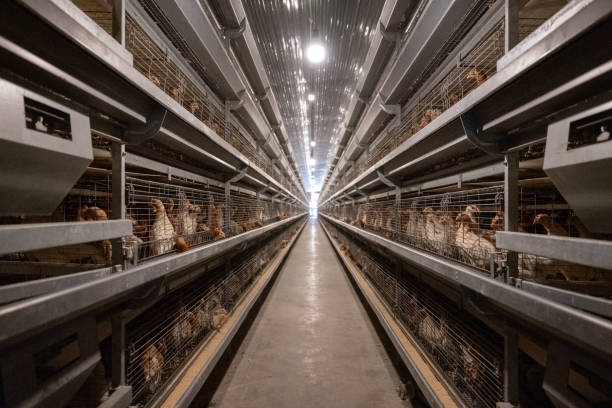
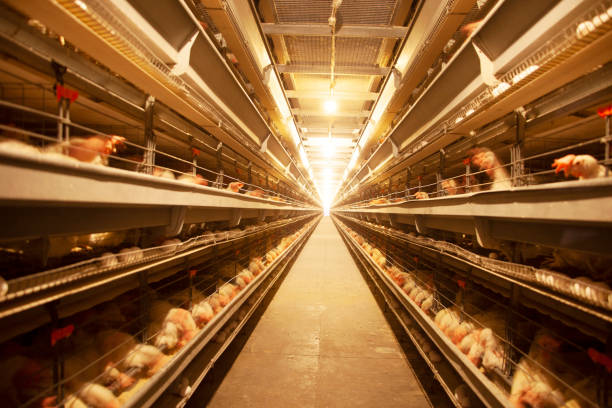
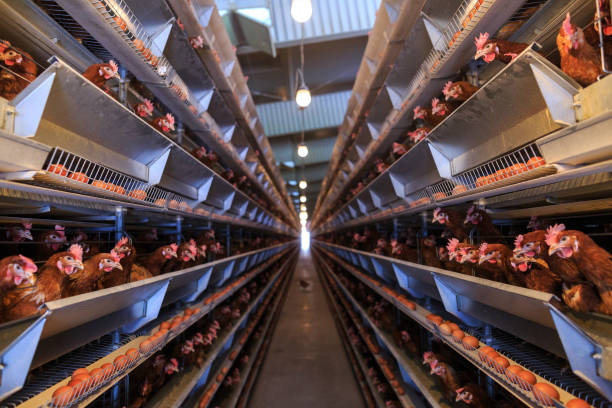
Starting a cage-free chicken farm is an increasingly popular choice for poultry farmers who are seeking to align their operations with current animal welfare standards and meet the growing consumer demand for ethically raised poultry products. While the idea of cage-free farming is appealing, it also comes with its own set of challenges — from managing flock behavior to ensuring proper nutrition and hygiene without the protective structure of cages. Fortunately, with today’s advanced technology and specialized equipment, running a successful cage-free operation has never been more feasible.
The Benefits of Going Cage-Free
Many farmers are choosing to switch to cage-free systems not just because of consumer demand, but also due to the long-term benefits it offers. Cage-free systems provide chickens with more space to move, access to nesting areas, and the ability to perform natural behaviors like perching, dust bathing, and scratching. These improvements in animal welfare can result in healthier birds, better egg quality, and increased productivity. Moreover, cage-free operations often align with organic or free-range labeling requirements, which allows farmers to access premium markets and sell their products at higher price points.
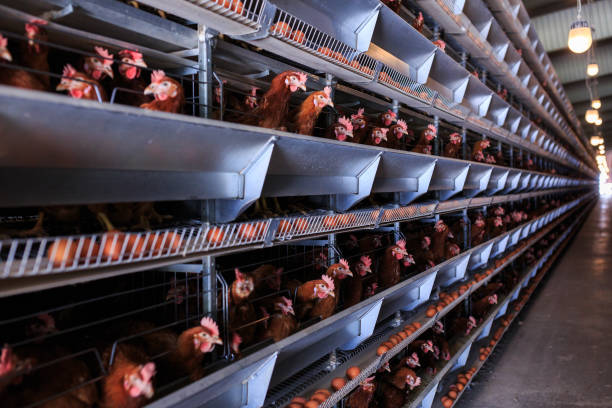
The key to maximizing these benefits is implementing efficient management practices and using modern equipment designed specifically for cage-free environments. This includes optimized feed and water distribution systems, proper ventilation, and advanced manure management solutions.
Designing an Efficient Cage-Free Environment
Creating the right environment is essential for a successful cage-free chicken farm. Chickens in these systems require more space than in conventional caged operations — at minimum, 1 to 1.5 square feet per bird for laying hens. The barn layout should incorporate multiple levels, including perches and platforms, encouraging birds to explore vertically, which helps reduce floor densities and potential disease risks. Nesting boxes should be strategically placed to provide a quiet, dark environment that encourages natural laying behavior and protects egg quality from soiling or breaking.
Lighting also plays a crucial role. Instead of using bright, continuous lighting which can cause stress and aggression among birds, farmers should opt for dimmer lighting with defined dark periods to mimic natural circadian rhythms. This strategy significantly reduces feather pecking and cannibalism, common concerns in cage-free systems.
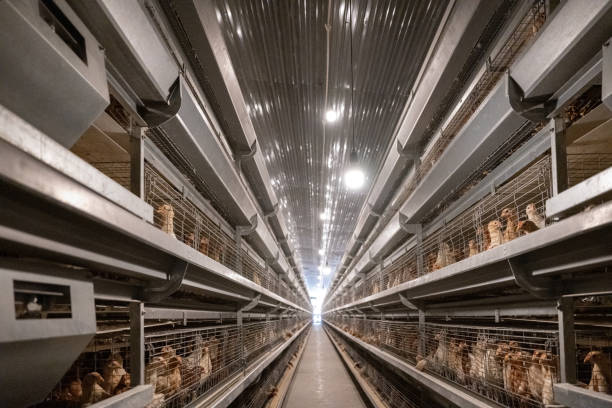
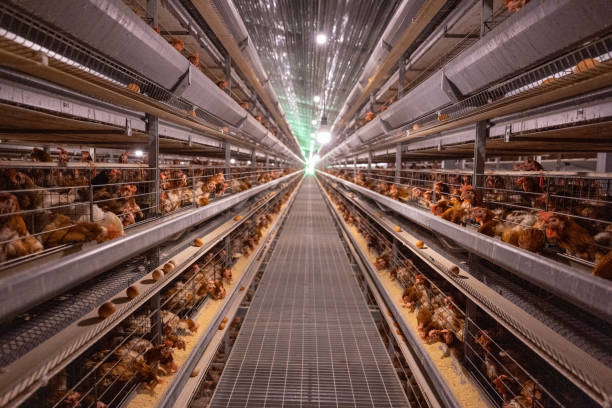
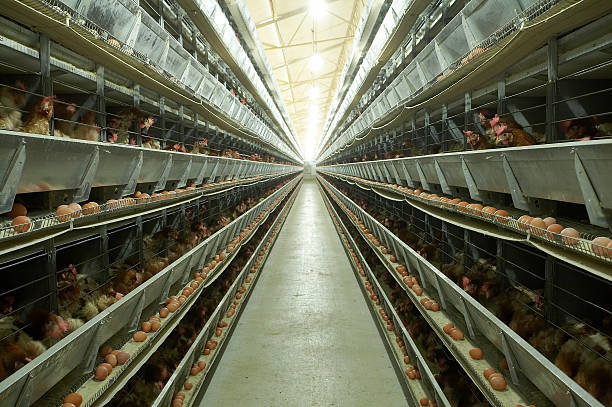
When designing the layout, accessibility for cleaning and monitoring is important. Automated manure removal systems, such as scraper systems or belt systems, help maintain hygiene and reduce ammonia emissions. These systems are especially useful in large-scale operations where manual cleaning would be time-consuming and labor-intensive.
Feeding and Watering Solutions for Cage-Free Farms
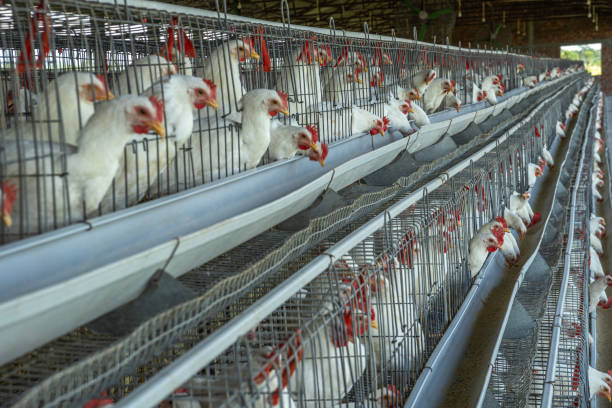
One of the most critical aspects of cage-free management is ensuring every bird gets sufficient nutrition and hydration. Without cages to control access, feed and water lines must be carefully designed to accommodate the natural behavior of free-roaming chickens. Feeders and drinkers should be evenly distributed throughout the barn to prevent competition and ensure all birds receive their share.
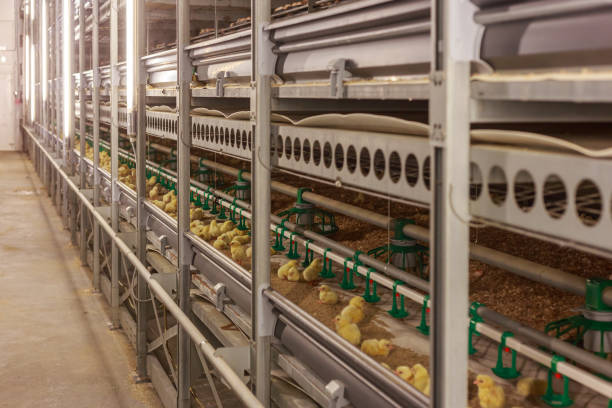
Automatic feeding systems, such as chain and tube feeding lines, are ideal for cage-free farms. These systems deliver feed at consistent intervals throughout the day, preventing feed shortages and reducing aggression during feeding times. Watering systems should be adjusted to the size of the birds and equipped with nipple drinkers that can handle high water flow without wetting the barn floor, which can lead to damp litter and increased disease risks.
Additionally, farmers should invest in monitoring systems to track feed and water consumption. These tools help identify health problems early by detecting subtle changes in eating or drinking behavior, allowing for timely intervention and reducing the risk of widespread illness within the flock.
Health and Safety Management in Cage-Free Systems
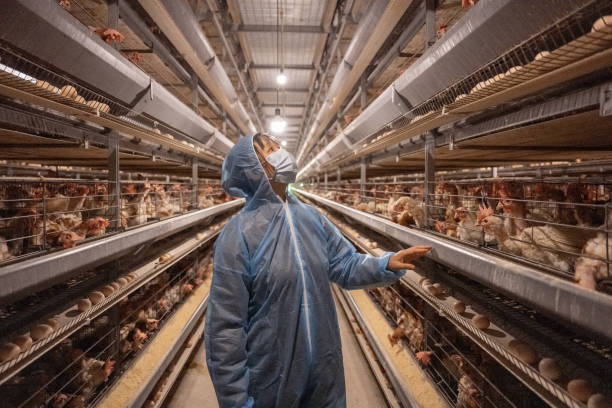
Health management is arguably the most challenging aspect of cage-free farming. Chickens that are not confined to cages are more likely to come into contact with manure, increasing the risk of disease transmission such as coccidiosis and bacterial infections. To mitigate these challenges, farmers must focus on robust biosecurity protocols, effective vaccination programs, and regular health monitoring.
Proper air quality, maintained through effective ventilation systems, is another crucial component. Poor ventilation can lead to high ammonia levels, respiratory diseases, and stress. Automated climate control systems can help regulate temperature, humidity, and airflow, ensuring a comfortable environment for the birds throughout the year.
Predator control and injury prevention are equally important. Cage-free barns must be designed to prevent access by wild birds and other animals that can introduce diseases or pose physical threats. Perches and platforms should be built with rounded edges to prevent injuries, and floor coverings should be soft and absorbent to reduce foot problems and leg injuries.
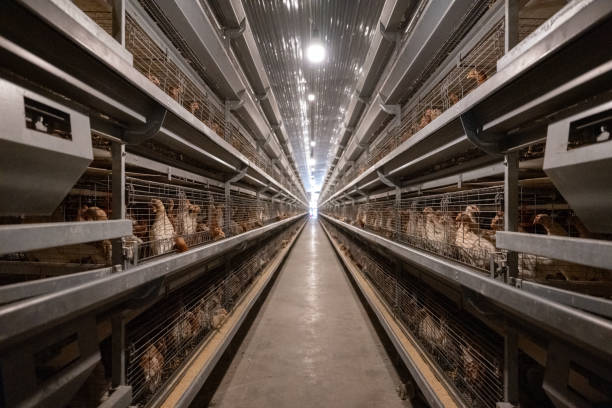
Choosing the Right Equipment from Livi Machinery
At Livi Machinery, we specialize in providing innovative, durable, and intelligent poultry farming solutions. Whether you’re starting a small-scale cage-free operation or planning a fully automated facility, our range of products — including advanced feeders, automated water lines, climate control systems, and manure removal technology — ensures that your farm runs efficiently and sustainably.
Our equipment is designed by experts with over a decade of experience in poultry farming, keeping in mind the unique needs of cage-free systems. From customized poultry house layouts to turnkey installation and after-sales support, Livi is your partner in building a future-proof cage-free farm.
If you’re ready to make the switch or are already managing a cage-free system and looking to optimize your setup, we’re here to help. Contact us today at [Your Contact Information] to speak with a poultry farming expert and discover how Livi Machinery can support your cage-free venture every step of the way.