
Starting a Poultry Farm in Ghana: Complete Guide
Ghana’s growing population and rising demand for poultry products have created a booming opportunity for both small-scale and commercial poultry farming. Whether you’re looking to start a backyard operation or scale up into a full-fledged poultry business, setting up a successful farm requires careful planning, the right equipment, and a solid understanding of best practices. This comprehensive guide will walk you through everything you need to know — from choosing the right location and selecting quality equipment to managing day-to-day operations and maximizing profits.
If you’re serious about starting or expanding your poultry venture in Ghana, investing in high-quality, durable systems from reliable suppliers like Livi Farming Equipment can make all the difference in long-term success.
Choosing the Right Location and Infrastructure Setup
The first step in launching a profitable poultry farm in Ghana is finding the ideal location. While it might be tempting to set up near urban centers for easy market access, you’ll want to strike a balance between proximity to buyers and having enough space for expansion. Ideally, choose a site with good road access, clean water supply, proper drainage, and protection from strong winds and flooding.
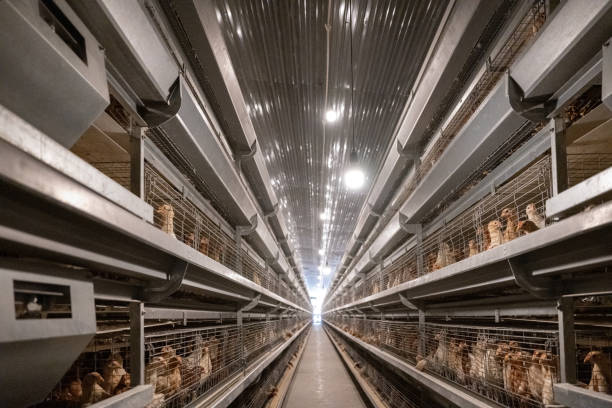
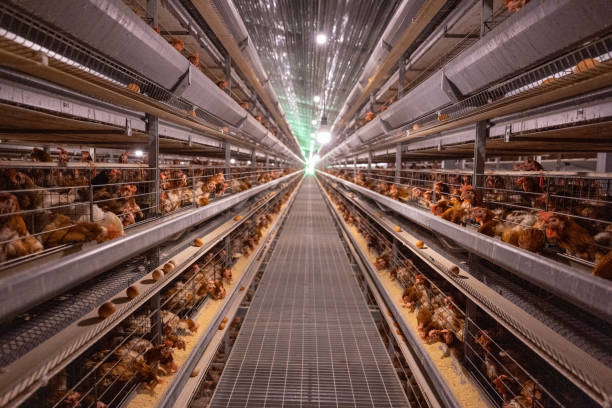
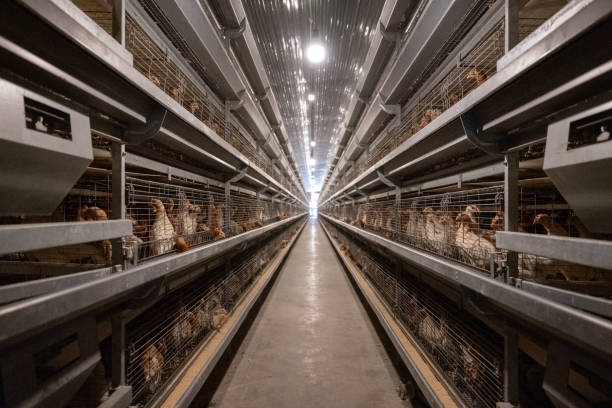
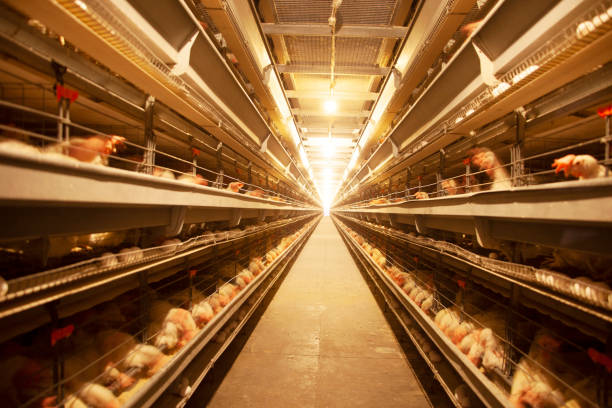
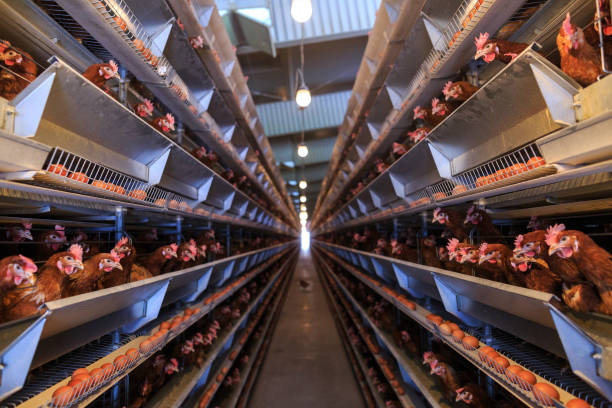
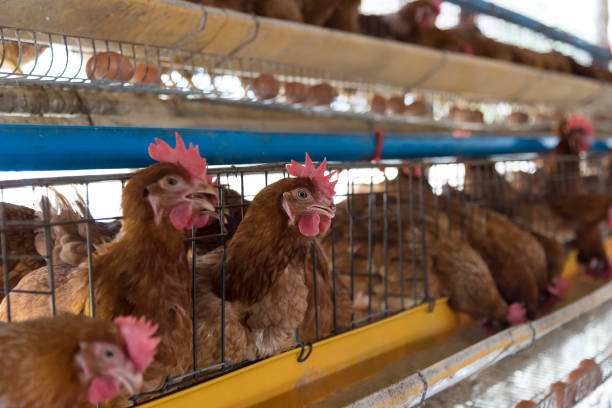
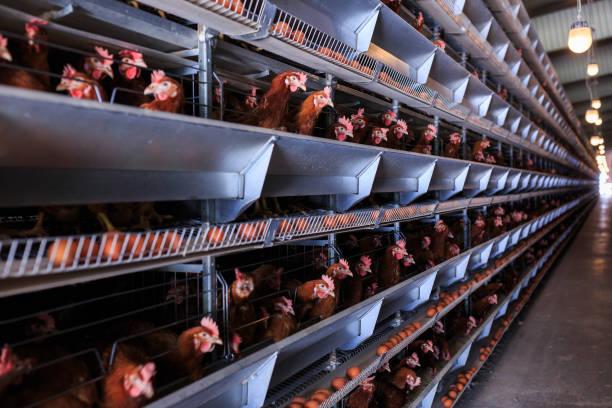
When it comes to infrastructure, your setup should be designed with biosecurity, ventilation, and ease of management in mind. For example, laying hen farms require well-ventilated housing with nesting boxes and manure belts, while broiler farms benefit from deep litter systems or slatted floors that reduce disease risk. One of the smartest moves you can make is investing in modern chicken cages — like those offered by Livi Mechanical Manufacturing — which help optimize space, improve hygiene, and reduce labor costs.
In Ghana’s tropical climate, temperature control is critical. Overheating can lead to reduced egg production and poor weight gain in meat birds. Consider installing fans, evaporative cooling pads, or even solar-powered ventilation systems. Insulated roofing materials also help regulate indoor temperatures. And don’t forget lighting — automated timers for LED lights ensure consistent light cycles, which are essential for stimulating egg-laying hens.
We always recommend getting expert advice during this phase. At Livi, we offer free site consultation and customized layout plans based on your production goals, whether you’re raising 500 or 50,000 birds.
Selecting the Best Equipment for Efficiency and Long-Term Success
Once your farm structure is in place, the next decision is choosing the right equipment. Many new farmers underestimate how much impact quality gear has on daily operations and overall profitability. Poorly made feeders and drinkers waste resources, increase labor needs, and raise the risk of contamination.
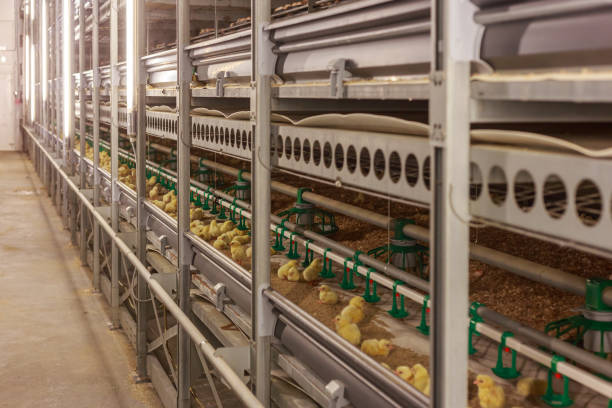
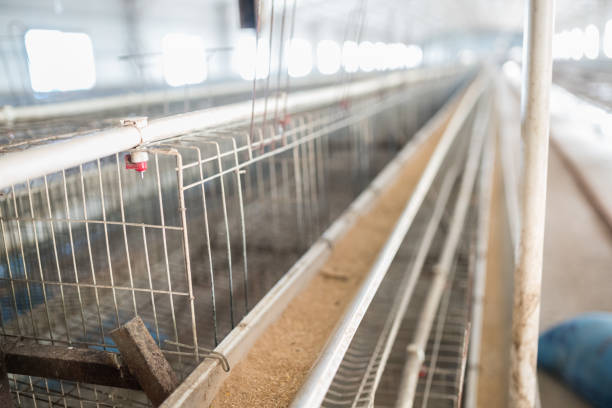
Modern poultry equipment does more than just save time — it helps prevent disease, ensures even growth, and keeps birds healthy. Automated feeding systems, for instance, deliver precise portions at scheduled times, reducing waste and minimizing competition among birds. Similarly, nipple饮水系统 keep water clean and reduce spillage, which helps maintain dry bedding — a key factor in preventing foot pad burns and respiratory issues.
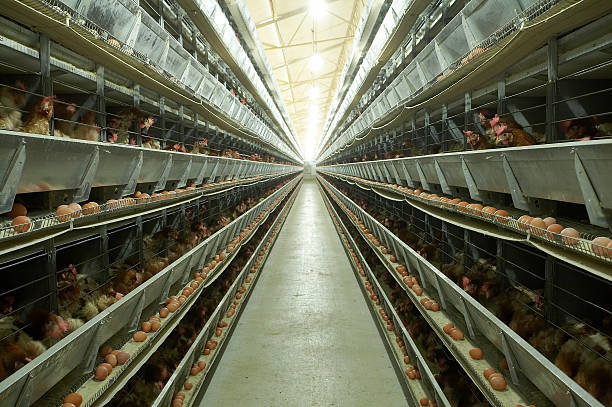
For cage systems, Livi offers galvanized steel designs that resist rust even in humid climates. Our layer cages come with built-in egg collection trays, sloped manure belts, and stackable configurations that maximize bird density without sacrificing comfort. Broiler and育雏笼 setups are adjustable, allowing room for growth as chicks develop.
Another crucial piece of equipment? The incubator. If you plan to hatch your own chicks instead of buying them from hatcheries, go for reliable machines with digital controls, automatic turning, and humidity sensors. We’ve helped dozens of Ghanaian farmers transition from purchasing day-old chicks to producing their own — and they’ve seen significant cost savings within just one year.
And here’s a pro tip: Always buy slightly more capacity than you currently need. It leaves room for growth and avoids bottlenecks when scaling up later.
Feeding, Health Management, and Day-to-Day Operations
No matter how advanced your equipment is, your flock’s performance depends heavily on nutrition and health care. In Ghana, commercially formulated feeds are widely available, but it’s important to match the feed type to each growth stage — starter, grower, and finisher for broilers; pre-lay and layer rations for egg producers.
Supplemental nutrients like calcium, vitamins, and probiotics should be added strategically, especially during heat stress or vaccination periods. Work closely with a veterinarian or animal nutritionist to create a feeding schedule tailored to your environment and breed.
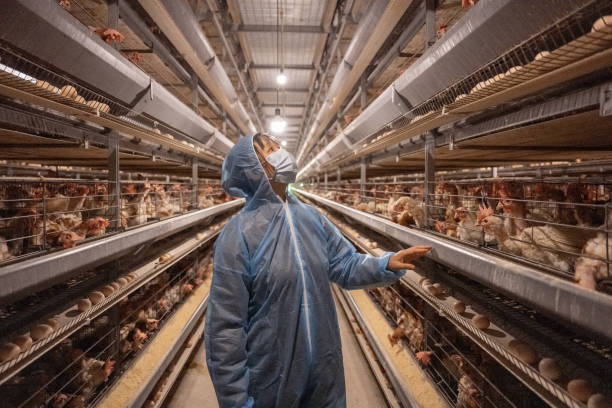
Biosecurity remains one of the biggest challenges in African poultry farming. Diseases like Newcastle Disease and Avian Influenza spread quickly if proper protocols aren’t followed. Limit visitor access, disinfect boots and tools regularly, and isolate sick birds immediately. Vaccination programs should begin early — often as early as one day old — and continue throughout the bird’s life cycle.
Daily records are another habit of successful farms. Track feed consumption, mortality rates, egg production, temperature variations, and medication use. These numbers not only help diagnose problems early but also provide valuable insight when applying for loans or seeking investors.
Labor efficiency improves dramatically when using automated solutions. With conveyor belts for eggs, central feeding lines, and remote monitoring apps, one person can manage thousands of birds with minimal physical strain. That means lower operating costs and fewer errors due to human fatigue.
Planning to expand? Think vertically. Multi-tier cage systems allow you to produce more per square meter — an advantage in land-constrained areas around Accra or Kumasi.
Ready to Start Strong? Let Us Help You Build Your Dream Farm
Starting a poultry farm in Ghana doesn’t have to be overwhelming. With the right planning, dependable equipment, and ongoing support, you can build a sustainable, profitable business that meets local demand and even supplies export markets. At Livi Mechanical Manufacturing, we’ve supported farmers across West Africa with turnkey solutions — from initial design to installation, training, and after-sales service.
Our team understands the unique challenges of farming in Ghana’s climate and economic landscape. That’s why every system we manufacture is built to last, backed by real-world testing and customer feedback. Whether you need layer cages for 2,000 hens or a complete breeder farm setup, we can customize a package that fits your budget and future goals.
So what’s next? Reach out today. Send us a message with your flock size, farm location, and production targets. We’ll respond within 24 hours with a detailed proposal, equipment list, and 3D layout showing exactly how your farm could look. Thousands of farmers trust Livi to power their poultry operations — let us help you do the same.
Drop us a line now and take the first step toward building a smarter, more efficient farm.
Frequently Asked Questions (FAQ)
How much capital do I need to start a medium-sized poultry farm in Ghana?
It depends on the scale and automation level, but most medium-scale layer farms (around 5,000 birds) require between $15,000 and $25,000 initially. This includes housing, equipment, chicks, feed, and vaccines. Using cage systems like Livi’s can cut labor and feed waste, helping you break even faster.
What type of chickens are best for farming in Ghana?
For eggs: Isa Brown, Shaver Brown, or Hy-Line varieties perform well.
For meat: Cobb 500 and Ross 308 broilers grow fast and adapt to local conditions.
Dual-purpose breeds like Sasso or Kuroiler are gaining popularity for smallholders.
Can I run a poultry farm without electricity?
You can operate on a small scale with manual systems, but reliability drops significantly. Solar-powered ventilators, water pumps, and lighting are excellent alternatives where grid power is unstable. Most automated equipment can be modified for solar compatibility.
Is it better to use deep litter or cage systems in Ghana?
Both work, but cage systems offer better hygiene, easier manure management, and higher stocking density. In hot, humid regions, cages improve airflow and reduce contact with droppings — lowering disease risks. Livi’s cages are specifically treated for corrosion resistance in tropical climates.
Where can I buy high-quality poultry equipment in Ghana?
Livi ships directly to Ghana and partners with local distributors for faster delivery and installation. We offer full technical support, spare parts availability, and video guides in English and local languages to assist with setup.
How many eggs does a laying hen produce per year in Ghana?
Under good management, hybrid layers can lay 280–320 eggs per year. The key factors are breed quality, feed nutrition, lighting schedules, and stress-free housing — all of which our cage systems are designed to support.
Do I need a vet to manage my poultry farm?
While not mandatory, having a veterinary advisor — even part-time — greatly increases your chances of avoiding outbreaks and maintaining productivity. Routine check-ups, accurate diagnosis, and proper medication use are vital.
How long does it take to see profit from a poultry farm?
With broilers, some farmers achieve ROI in 6–8 weeks per cycle. Layers take longer — usually 5–6 months to reach peak production — but generate income over a longer period (up to 18 months). Proper planning and equipment choice shorten payback time.
Can I get training on how to use automated poultry systems?
Yes. Livi provides free online training via video calls, user manuals, and troubleshooting guides. We also send trained technicians for onsite setup upon request, ensuring smooth adoption even for first-time users.
What happens if my equipment breaks down?
All Livi products come with a 1-year warranty and lifelong spare parts supply. Common components like motors, trays, and feed lines are kept in stock and ship quickly to Ghana. Our support team responds to repair queries within hours, not days.