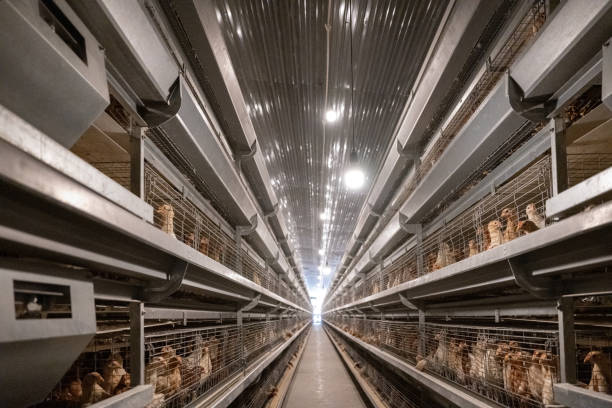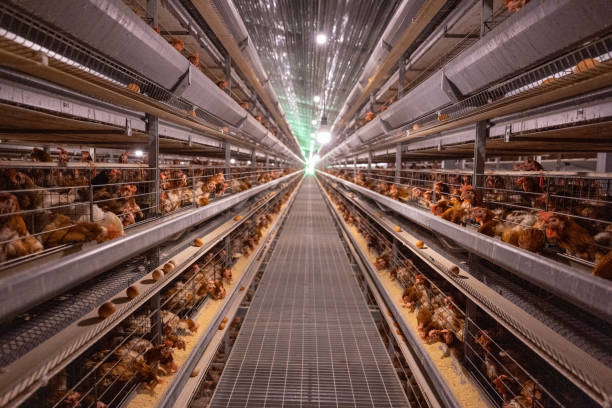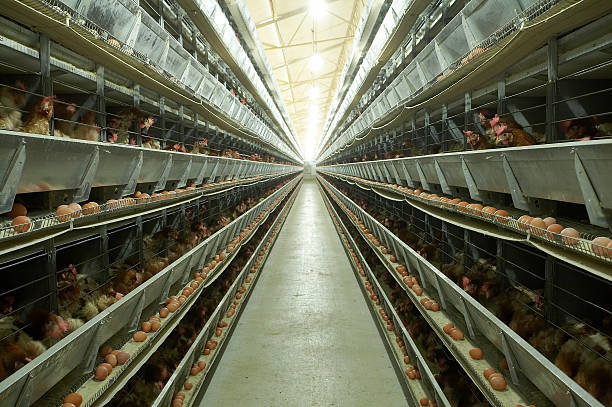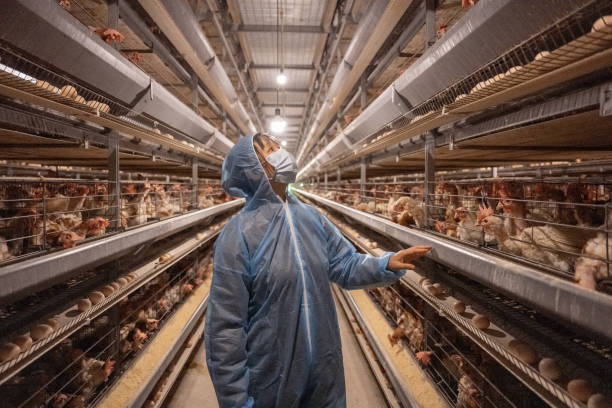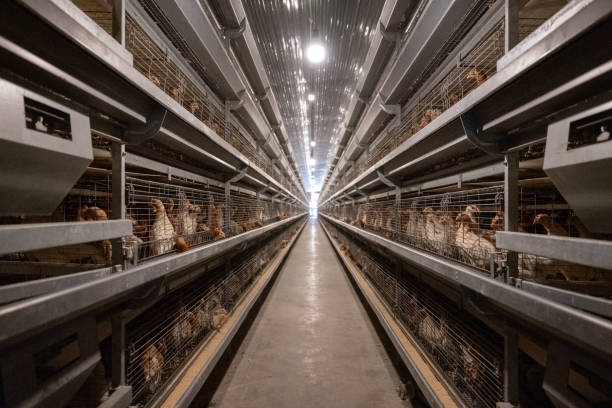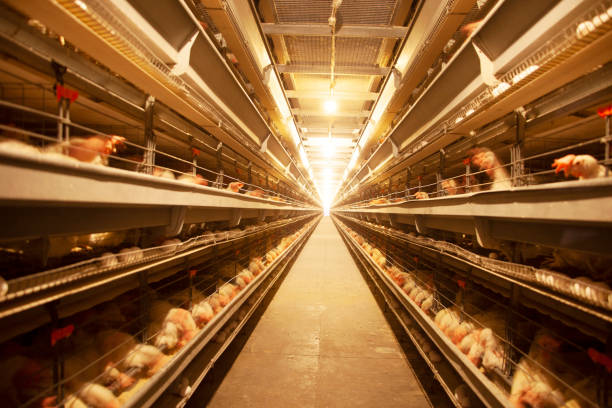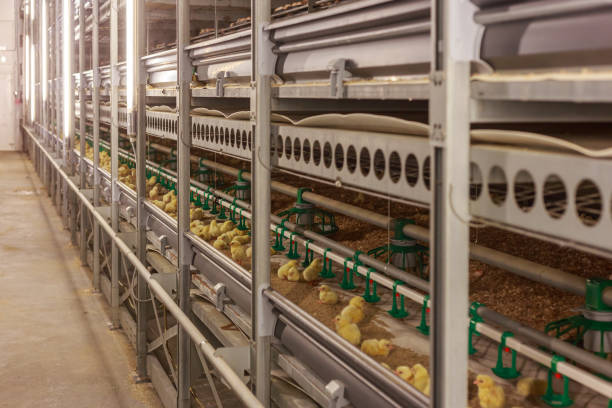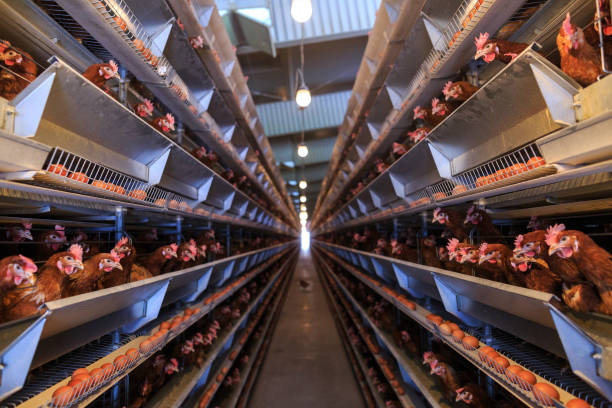

For a 60,000 layer chicken cage system in Nigeria, an H type automatic layer cage system is usually the most practical choice for commercial egg production. It saves land, improves stocking density, reduces labor pressure, and supports automatic feeding, drinking, manure removal, egg collection, and environmental control. For Nigerian poultry investors, the key is not only buying cages, but also designing a complete poultry house system that can handle hot weather, humidity, power interruptions, feed cost pressure, and future expansion.
Livi Machinery recommends a fully planned H type layer cage solution for medium and large egg farms in Nigeria, especially for investors who want stable production, easier farm management, and better long-term equipment durability.
Why Is a 60,000 Layer Chicken Cage System in Nigeria a Good Investment Direction?
Nigeria has strong demand for affordable animal protein, and eggs remain one of the most accessible protein sources for households, hotels, bakeries, schools, and food processors. At the same time, many Nigerian poultry farmers face rising feed, fuel, labor, and disease-control costs. AP has reported that egg costs in Nigeria have been affected by currency weakness, fuel subsidy removal, and higher production costs, which shows why efficient farm management is becoming more important for commercial layer farms.
A 60,000-layer project is large enough to benefit from automation but still flexible enough for phased investment. Compared with small-scale deep litter or low-density cage systems, a modern H type cage house helps the farmer:
- Use land more efficiently
- Reduce daily manual labor
- Collect eggs faster and more cleanly
- Remove manure regularly to improve hygiene
- Control feeding quantity more accurately
- Prepare for future expansion to 80,000 or 100,000 layers
Why Is H Type Layer Cage Suitable for 60,000 Layers?
For a farm of 60,000 laying hens, H type layer cage equipment is generally more suitable than A type cage because it offers higher stocking density and better space utilization. Livi’s layer cage catalogue describes the H type system as high-density equipment that saves land and reduces investment pressure in large-scale layer farming. The cage mesh is hot-dip galvanized, with stronger corrosion resistance and longer service life than ordinary cold-galvanized material.
A typical H type configuration can include 4-tier, 5-tier, or 6-tier cage rows, depending on house size, ventilation design, stocking density requirement, and budget.
| Item | Suggested Configuration for 60,000 Layers in Nigeria |
| Cage type | H type layer battery cage |
| Farm capacity | 60,000 laying hens |
| Recommended automation level | Fully automatic |
| Main systems | Feeding, drinking, manure removal, egg collection, ventilation, lighting, control cabinet |
| Suitable house type | Closed or semi-closed poultry house |
| Expansion option | Reserve space for additional cage rows or second house |
| Key local concern | Heat, humidity, backup power, feed logistics |
For Nigerian farms where land near cities or main roads can be expensive, H type cages help increase bird capacity per house. This is especially valuable for farms supplying eggs to Lagos, Abuja, Ibadan, Kano, Port Harcourt, and other high-consumption markets.
What Equipment Is Needed for a 60,000-Layer Farm?
A complete commercial layer farm is not only a cage purchase. It requires coordinated equipment design so that the cage rows, manure belts, egg belts, feed lines, water lines, fans, cooling pads, and control system work together.
Recommended Equipment List
| System | Function | Benefit for Nigerian Farms |
| H type layer cage | Houses laying hens in high-density rows | Saves land and improves management efficiency |
| Automatic feeding system | Delivers feed evenly to each cage line | Reduces labor and feed waste |
| Nipple drinking system | Provides clean water through regulated water lines | Supports bird health and reduces leakage |
| Belt manure removal system | Removes manure from each tier regularly | Improves air quality and reduces flies |
| Automatic egg collection system | Transfers eggs to collection area | Reduces egg breakage and saves workers |
| Ventilation and cooling system | Fans, air inlets, cooling pads, controller | Helps manage heat and humidity |
| Lighting system | Adjustable light program | Supports stable laying performance |
| Control cabinet | Manual, timing, and remote control options | Improves daily farm operation |
Livi’s automatic feeding system uses a closed design with feed tower, drive unit, material pipe, and conveying system to improve automation in the feeding process. Its catalogue also notes that feeding quantity can be controlled and adjusted, helping farms reduce waste and improve uniformity.
How Should Ventilation Be Designed for Nigeria’s Climate?
Nigeria includes different climate zones and seasonal rainfall patterns, so poultry house ventilation should be designed according to the farm location rather than copied from another country. The World Bank Climate Change Knowledge Portal describes Nigeria through climate zones, temperature, and precipitation seasonal cycles, which is important when designing poultry houses for different regions.
For layers, heat stress can reduce feed intake, egg size, shell quality, and laying performance. PoultryHub notes that efficient temperatures for layers are generally around 20–24°C, which is lower than the daily temperature in many Nigerian farming areas.
For a 60,000-layer farm, Livi Machinery usually recommends:
- Tunnel or cross ventilation based on house width and length
- Cooling pads for hot seasons
- Large exhaust fans with stable air volume
- Side wall air inlets for controlled fresh air entry
- Temperature and humidity sensors
- Emergency ventilation planning
- Backup generator connection for fans and water systems
The ventilation system should not be treated as optional. In hot and humid areas, ventilation is part of the production system, not just a comfort feature.
How Can the Farm Handle Power Interruptions?
Power reliability is one of the most important design points for automatic poultry farms in Nigeria. Reuters reported repeated national grid disturbances in Nigeria and noted that many businesses and households rely on fuel generators because of power supply limitations.
For a 60,000-layer automatic cage farm, Livi Machinery recommends designing a backup power plan before equipment installation. Critical equipment should be prioritized:
- Ventilation fans
- Drinking water system
- Environmental controller
- Egg collection system
- Feeding system
- Lighting system
In practical farm operation, feeding and egg collection can be scheduled, but ventilation and water supply must be protected continuously. A good system design should reserve electrical capacity for generator connection and allow manual or timed operation when necessary.
What Are the Practical Benefits of Automation?
For Nigerian farm owners, automation should solve daily management problems rather than simply make the farm look modern. A 60,000-layer house without automation can require more workers, more supervision, and more time for feeding, manure cleaning, and egg handling.
With a full automatic layer cage system, the farm can achieve:
- Faster feeding with more uniform distribution
- Lower direct contact between workers and birds
- Cleaner eggs through automatic egg belts
- Regular manure removal to reduce ammonia and flies
- Better record keeping for feed, water, and production
- Lower egg breakage during collection
- More stable production management across multiple houses
Livi’s automatic egg collection system uses belt and egg claw mechanisms, with egg buffer devices designed to reduce collision and support smoother transfer. The catalogue lists central egg conveyor capacity options up to 65,000 eggs per hour, depending on conveyor width, which is suitable for large layer farms.
What Should Be Planned Before Installation?
Before confirming the equipment quotation, a 60,000-layer farm owner in Nigeria should prepare the following information:
| Planning Item | Why It Matters |
| Land size and shape | Determines house orientation and future expansion |
| Local temperature and humidity | Affects fan quantity and cooling pad design |
| Power supply condition | Determines generator and electrical layout |
| Water source quality | Affects drinking system filtration and medication plan |
| Egg sales channel | Helps plan egg room and collection frequency |
| Labor availability | Determines automation level |
| Expansion target | Influences house spacing and equipment layout |
Livi Machinery can provide poultry house layout drawings, cage row planning, equipment configuration, shipping arrangement, installation guidance, and after-sales support. The company catalogue states that Livi focuses on large-scale chicken farm design, automatic cage systems, environmental control systems, and renovation or expansion projects for medium and large farms.
FAQ
1. What type of cage is best for 60,000 layers in Nigeria?
For 60,000 layers, H type layer cages are usually recommended because they provide higher stocking density, better land use, and easier automation compared with traditional low-density systems.
2. Can the system work during power outages?
Yes, but the farm should be designed with a backup generator or hybrid power plan. Ventilation, water supply, and environmental control should be treated as priority loads.
3. Is automatic egg collection necessary for 60,000 layers?
For this scale, automatic egg collection is strongly recommended. It reduces labor, shortens collection time, and helps lower egg breakage during daily operation.
4. How many poultry houses are needed for 60,000 layers?
The final number depends on cage tier, house width, house length, aisle design, and ventilation mode. Some projects can use one large house, while others may use two houses for easier management and future expansion.
5. Can Livi Machinery customize the design for Nigerian climate?
Yes. Livi Machinery can adjust cage layout, ventilation, cooling pad area, fan quantity, feeding system, manure removal system, and electrical configuration according to the farm location and project requirements.