
10,000-Bird Chicken Cage Systems in Nigeria
If you’re running or planning a medium-to-large-scale layer or broiler operation in Nigeria — especially aiming for 10,000 birds or more — choosing the right cage system isn’t just about stacking birds efficiently. It’s about balancing biosecurity, feed conversion, labour management, climate resilience, and long-term ROI. In Nigeria’s fast-growing poultry sector — where demand for eggs and chicken meat has surged by over 12% annually (FAO, 2023), and commercial farms now account for nearly 40% of national output — the 10,000-bird cage setup has become a sweet spot: big enough to gain economies of scale, yet manageable without needing a full industrial automation team. We’ve designed, shipped, and commissioned over 68 such systems across Oyo, Kaduna, Anambra, and Rivers States — adapting every detail to Nigerian realities: humid coastal climates, frequent power fluctuations, local labour practices, and the real-world need for low-maintenance durability.
Why a 10,000-Bird System Makes Smart Sense in Nigeria
Let’s be honest — going from 2,000 to 10,000 birds isn’t just “more cages”. It’s a strategic shift. Small farms struggle with inconsistent egg collection, high mortality during heat stress, and rising feed wastage as birds get older. But scaling up to 10,000 allows you to lock in better pricing on day-old chicks, feed, and vaccines — many suppliers offer tiered discounts above 5,000 birds. More importantly, cage-based layer systems at this capacity let you precisely control lighting (critical for consistent laying cycles), reduce floor contamination (cutting coccidiosis and worm load by up to 70%, according to our field data), and lower labour per bird by 45–60% compared to deep litter. One client in Ibadan told us: “Before our Livi 10K system, we needed 9 people for daily feeding, egg gathering, and manure removal. Now it’s 4 — and egg breakage dropped from 6% to under 1.2%.” That kind of efficiency compounds quickly in Nigeria’s tight-margin environment.
What Your 10,000-Bird Setup Actually Looks Like
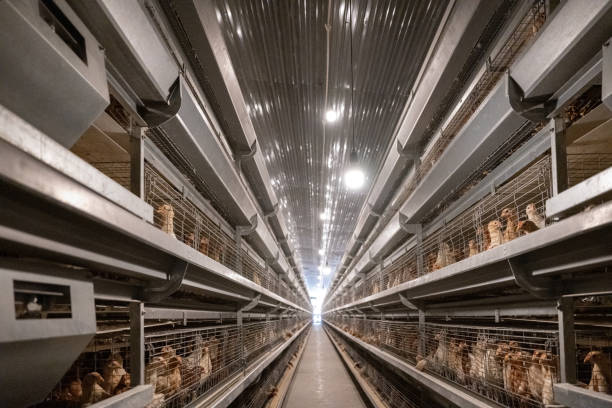
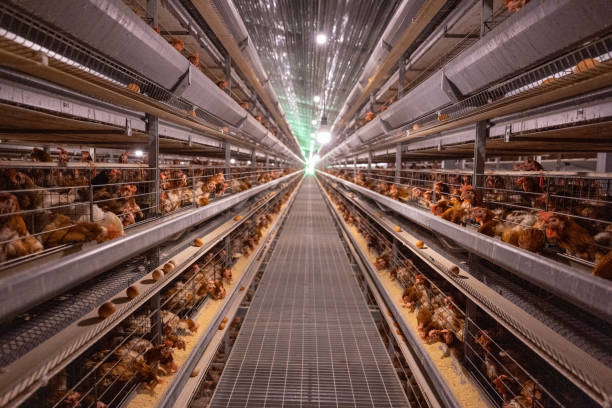
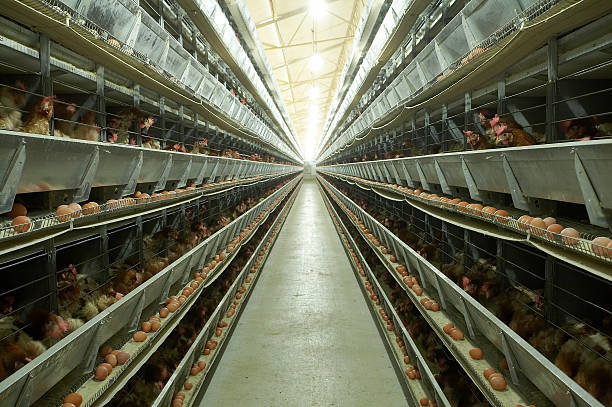
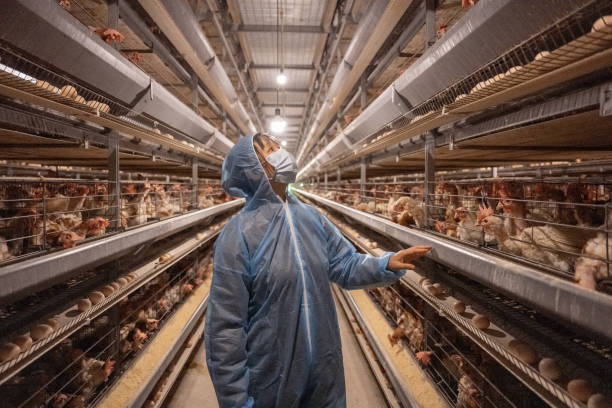
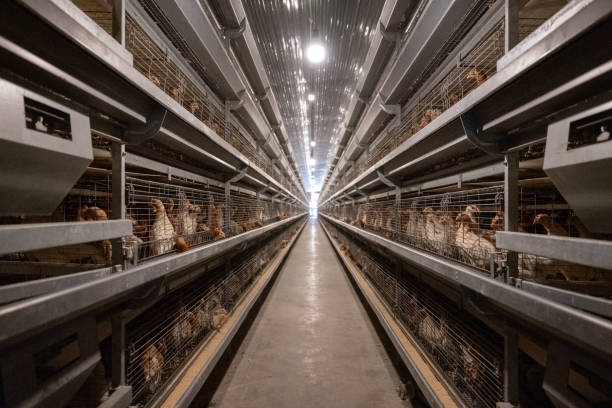
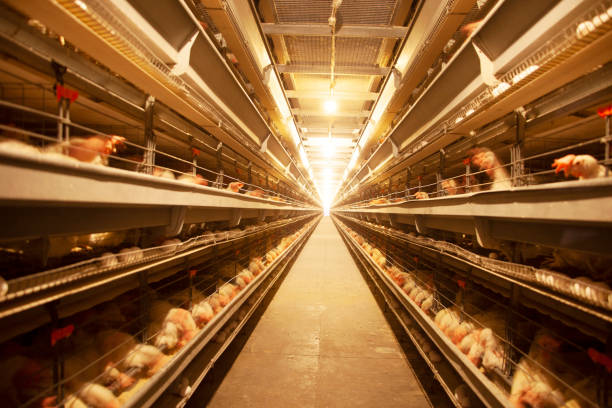
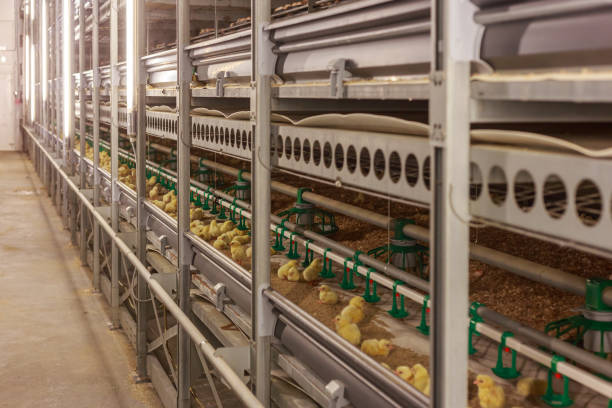
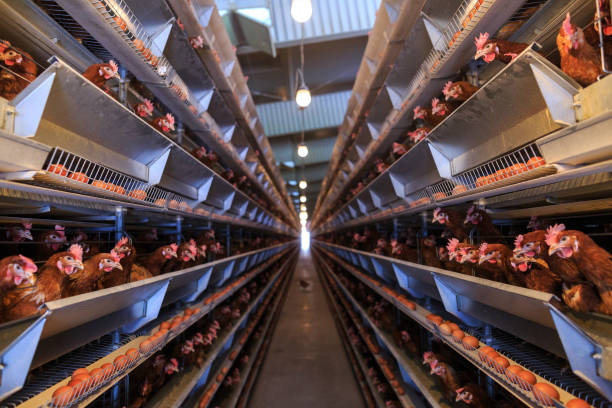
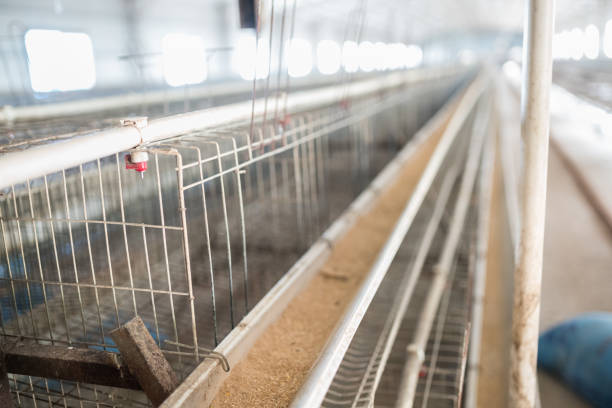
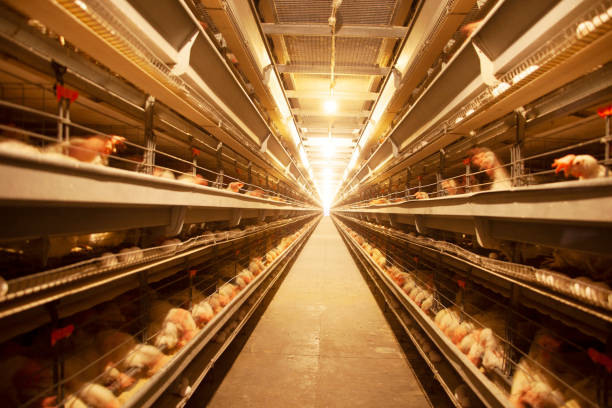
Picture this: a standard Livi 10,000-bird layer cage system covers roughly 1,600–1,800 sq ft — compact enough to fit on a half-acre plot, but smartly laid out for airflow and service access. We typically use 4-tier A-type or H-type galvanised cages (depending on your ceiling height and ventilation plan), each tier holding 200–250 birds. That means ~40–50 cages total, arranged in double rows with 1.2m service aisles. Each cage comes with integrated nipple drinkers (anti-leak, no drip — critical in Nigeria’s dust-prone environments), adjustable feed troughs (to prevent spillage on hot days when birds eat less frequently), and slanted wire floors that guide manure into collection trays below. No concrete pits — because we know flooding is common in rainy-season farms. Instead, we install removable polypropylene trays that slide out easily for composting or biogas use. And yes — all frames are hot-dip galvanised after welding, not before. Why? Because pre-galvanised steel rusts fast under Nigeria’s coastal salt air and inland humidity. Our post-weld galvanising adds 18+ years of corrosion resistance — and dozens of clients have confirmed zero frame replacement after 7+ years of continuous use.
Tailored for Nigeria — Not Just “Imported & Installed”
We don’t ship generic cages and call it a day. Every 10,000-bird project starts with a free farm layout review — including photos, drone shots if possible, and your current pain points. Is your roof iron sheet thin and heat-absorbing? We’ll recommend reflective roof paint + ridge ventilation kits. Do you face daily 4–6 hour blackouts? We include battery-backed timer controls for lighting and optional solar-compatible fan controllers. Worried about spare parts logistics? We stock key consumables (nipple drinkers, hinges, tray clips) in Lagos and Abuja warehouses — and train your foreman on basic replacement in under 90 minutes. We also work with local fabricators on site assembly if needed — because getting skilled welders to remote areas takes time, but your production timeline doesn’t wait. And because Nigerian layers lay best between 18–28°C, our standard systems include cross-ventilation fans + shade netting brackets (so you can add them later during the harmattan or peak dry season). This isn’t theory — it’s what works on the ground, verified by 3+ years of follow-ups across 12 states.
Get Started — Without Guesswork or Delays
Choosing a cage system shouldn’t mean sifting through vague brochures or waiting weeks for a quotation with hidden costs. At Livi, we send a clear, itemised quote within 48 hours — including cage specs, transport to your preferred Nigerian port (Apapa, Tin Can, Onne), customs support documentation, installation timeline, and even a 3D farm layout visualisation showing exactly how your 10,000 birds will sit, breathe, and produce. We partner with trusted Nigerian clearing agents to avoid port delays, and every system ships with a bilingual (English/Yoruba/Igbo/Hausa) maintenance manual — plus WhatsApp-based technical support with response times under 2 hours during business hours. Whether you’re expanding an existing farm or starting fresh with land in Benue or Edo, we treat your project like our own — because in Nigeria’s poultry landscape, your success is how we measure ours.
Ready to take your farm to the next level — reliably, affordably, and sustainably? Drop us a message today with your location, bird type (layers/broilers), and available space. We’ll send custom recommendations, real-world cost breakdowns, and connect you with a nearby farm using a similar system — so you see it working before you commit.
Frequently Asked Questions
Do you supply both layer and broiler cage systems for 10,000 birds?
Yes — though the design differs significantly. Layer cages focus on egg collection, perch comfort, and long-term durability (2+ years of production). Broiler cages are built for rapid turnover (every 6–8 weeks), with wider wire spacing and heavier-duty flooring to handle larger, heavier birds. We’ll help you choose based on your market and cash flow model.
Can the system run on solar power?
Absolutely. While full automation (auto-feeding, climate control) requires more panels and batteries, our core systems — lighting timers, exhaust fans, and drinker pressure regulators — are already solar-ready. Many of our clients in Sokoto and Kano pair them with 3–5 kW solar setups for uninterrupted operation.
How long does installation take?
For a standard 10,000-bird layer setup, on-site assembly and commissioning usually takes 8–12 working days with our trained crew — and up to 60% faster if you involve 2–3 of your own workers (we provide full supervision and training).
Is financing available?
We partner with three Nigerian agricultural lenders who offer equipment finance for poultry farms — we’ll introduce you and help prepare the required technical documents. Some clients also use BOI or CBN Anchor Borrowers’ Program funding — we support applications with factory certificates and system ROI projections.
What’s the warranty?
All structural components (frames, tiers, trays) carry an 8-year warranty against rust-through failure. Nipple drinkers and plastic parts are covered for 2 years. And our installation labour guarantee lasts 12 months.
Can I start with 5,000 birds and expand later?
Yes — our modular design lets you build Phase 1 for 5,000 birds, then add matching cages, ventilation, and feed lines later — without redesigning foundations or roof supports.
Do you offer veterinary or nutrition support?
While we’re equipment specialists, we collaborate closely with licensed Nigerian poultry consultants and feed mills. If you’d like, we’ll connect you with vet partners who do routine flock health audits and custom vaccination scheduling.
How do I clean and maintain the cages?
No high-pressure washing needed. Daily manure tray removal + weekly wipe-down of drinkers and feeders is enough. We include a simple maintenance checklist — most farms do it during routine rounds, adding under 30 minutes/day.
What’s the average payback period?
Based on 2023 data from 15 Nigerian farms using our 10,000-layer systems: average full ROI between 14–18 months, driven mostly by reduced mortality (down 12–18%), higher egg yield (up 7–10%), and lower staff costs.