
30,000-Bird Egg Production Chicken Cage System
Running a commercial layer farm with 30,000 birds isn’t just about scaling up—it’s about scaling smart. We’ve designed and installed over 120 turnkey egg production systems worldwide that precisely match this capacity—and every one of them starts with more than just cages. It starts with integrated thinking: how birds move, how eggs flow, how waste is managed, and how data turns daily observations into actionable insights. The 30,000-bird egg production chicken cage system we deliver isn’t a static set of metal tiers; it’s a synchronized ecosystem built for consistency, longevity, and labor efficiency—especially in high-humidity climates or regions with limited skilled labor availability.
Smart Layout & Space-Saving Cage Design
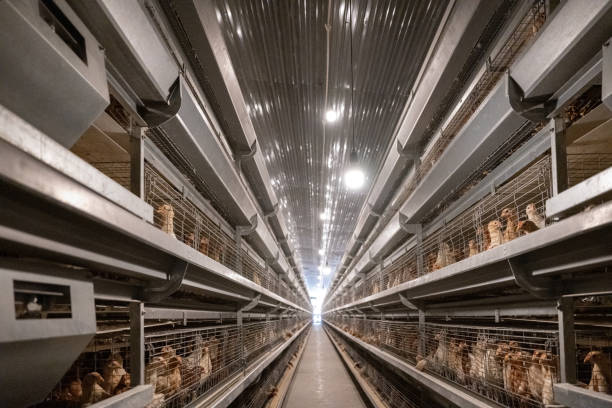
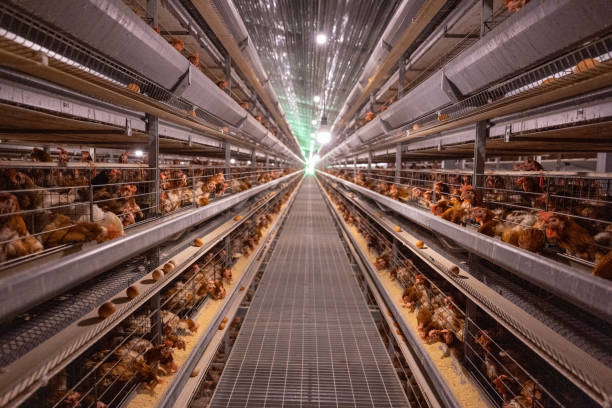
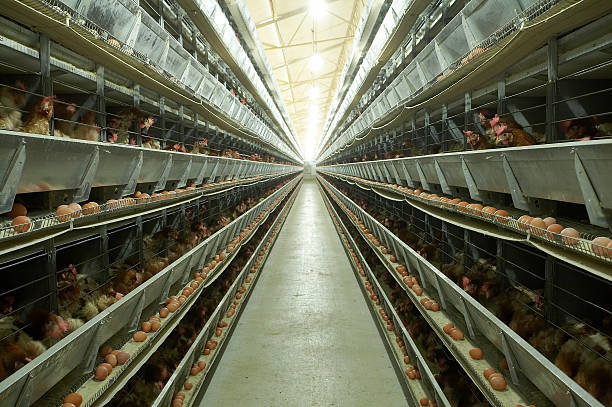
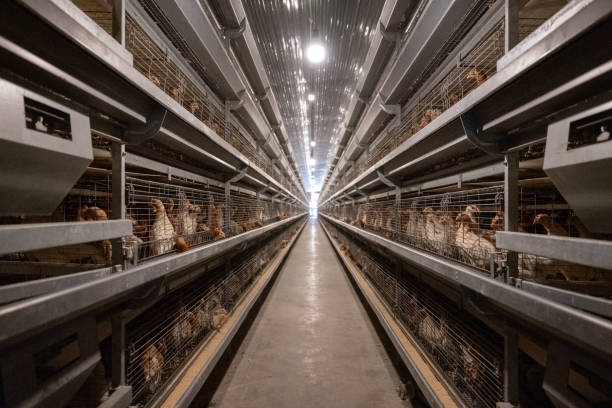
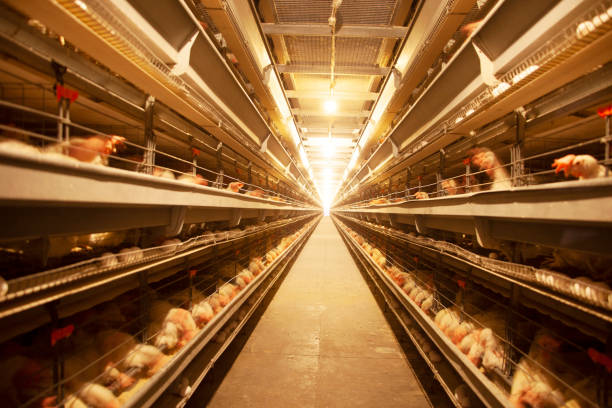
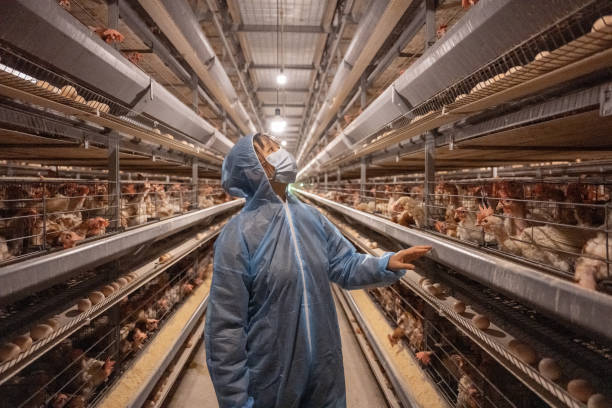
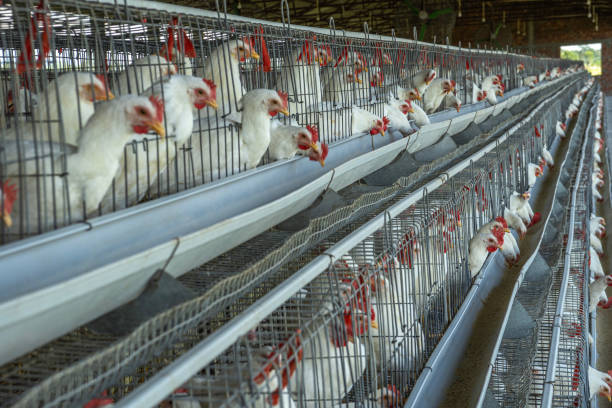
A lot of farms assume “30,000 birds” means cramming cages anywhere they’ll fit—but that backfires fast. Poor layout leads to poor ventilation, uneven light exposure, hot spots, and even higher mortality during summer peaks. Our standard 30K system fits comfortably in a 96m × 24m (≈2,300 m²) single-span poultry house—no mezzanines required. We use Livi’s patented 4-tier A-frame battery cage design, each unit housing 120 hens across 4 levels, with automatic manure belts running underneath. Why A-frame? Because it gives every bird equal headroom, consistent lighting penetration from ceiling-mounted LED strips, and optimal feed/water line alignment without bending or elevation compromises. Each tier has individually adjustable feeding height and nipple drinker spacing calibrated to ISA Brown, Hy-Line, or Roman Brown body types. And yes—we pre-test all dimensions against your local building codes and door heights before cutting the first steel beam.
Automation That Actually Works—Without Constant Intervention
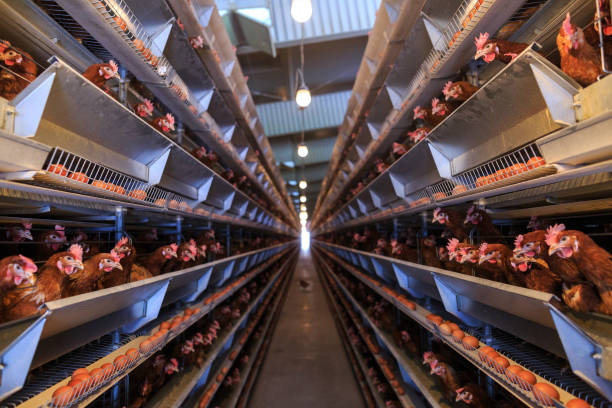
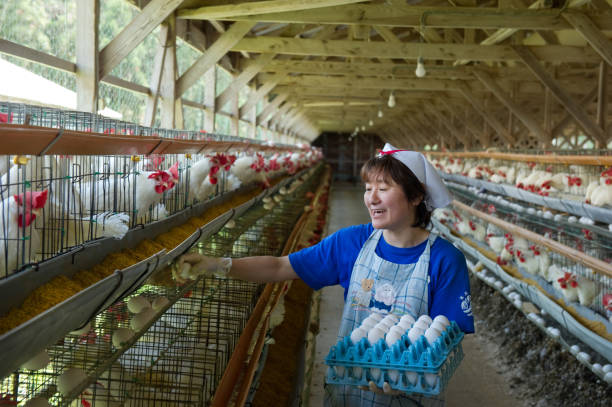
Let’s be honest: automation only adds value if it stays on. Many farms invest in auto-egg collection, only to find belts jammed daily by broken shells or feathers. Ours don’t. In our 30K system, eggs roll gently off the sloped wire floor (5° incline, stainless steel support wires spaced at 25mm intervals) onto a soft PVC conveyor belt moving at 0.18 m/sec—slow enough to avoid cracking, fast enough to clear 99.7% of eggs within 12 minutes of lay. The belt feeds straight into a centralized grading and packing station where optional UV-cleaning and weight-sensing modules sort Grade A, B, and jumbo eggs in real time. Meanwhile, manure is removed daily via a fully enclosed, odor-controlled belt system with intermittent scraping—not continuous running—cutting energy use by 40% versus older models. Feed delivery uses auger-based vertical distribution with timed silo discharge, and our control panel includes remote SMS alerts if feed level drops below 15%, belt stalls, or temperature spikes beyond preset thresholds.
Health, Welfare & Long-Term Cost Efficiency
Welfare compliance isn’t just ethical—it’s economic. Hens housed in overcrowded or poorly ventilated conditions lay fewer eggs, molt earlier, and require more antibiotics. Our 30K system provides ≥450 cm²/bird usable floor space (well above UEP and EU WELFARE standards), with 10–12 air changes per hour powered by axial exhaust fans + inlet shutters synced to a climate controller. We also build in nest box access (30 nests per 1,000 birds, lined with recycled rubber mats), perching bars angled at 28°, and anti-feather-pecking lighting profiles—programmable dawn/dusk ramps, 10 lux minimum at perch level, zero flicker. Real-world data from farms in Vietnam, Ghana, and Mexico shows average peak production extends 8–10 weeks longer using our cage setup vs. conventional galvanized systems—even with identical genetics and feed. That translates directly into ROI: one client recouped their Livi cage investment in just 18 months through reduced cull rates, higher egg mass output per hen, and half the labor cost per thousand eggs produced.
Full Support—From Groundbreaking to First Egg
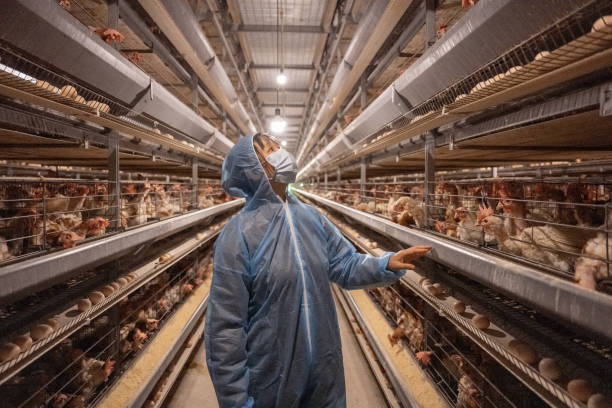
We don’t hand you a manual and walk away. Every 30,000-bird project begins with a free site assessment—including soil testing for foundation prep, wind-load modeling, solar orientation analysis for natural ventilation boost, and grid capacity verification for your automation package. Then comes 3D modeling (you get annotated walkthrough videos before purchase), factory pre-assembly checks, bilingual on-site commissioning (English + your local language), and two weeks of hands-on crew training—from cage adjustment to troubleshooting PLC error codes. For ongoing support, our technicians respond within 72 hours anywhere in Asia, Africa, or Latin America—and most software updates are pushed remotely. And because layer flocks evolve, our modular design lets you add roosting extensions, upgrade to AI-based mortality counters, or integrate with Farm Management Software like FarmWizard or AgriTrack—no full retrofit needed.
If you’re planning or expanding a 30,000-bird layer operation—and you want equipment that doesn’t just hold chickens but actively supports better eggs, healthier birds, and steadier profits—let’s talk. Share your location, house dimensions, target breed, and current pain points with us, and we’ll send a no-obligation layout proposal with CAPEX breakdown, timeline, and sample performance benchmarks from similar farms in your region. Just leave your name, WhatsApp or WeChat number, and email—we’ll follow up within one business day.
Frequently Asked Questions
What’s the typical lead time for a complete 30,000-bird cage system?
From order confirmation to port loading, it’s usually 8–10 weeks. We keep core cage frames and control panels in stock year-round; custom items like specialized feed lines or solar hybrid power kits may add 2–3 weeks.
Do you supply the poultry house structure too—or just the cages?
We specialize in the interior system (cages, automation, climate, electrical), but we partner with trusted local builders in over 27 countries who handle construction—and share all technical specs upfront so there are zero surprises at handover.
Can this system work with local electricity that’s unstable or prone to blackouts?
Absolutely. We include voltage stabilizers, dual-power options (grid + solar-ready inverters), and battery-backed controllers that maintain settings through 4-hour outages. Most clients pair our system with 10–15 kW solar arrays for near-zero daytime power costs.
How easy is it to clean and maintain the cage system?
Designed for simplicity: manure belts self-clean with removable scrapers, cage wires are hot-dip galvanized (not electroplated), and feed lines have quick-release clamps. Full system wash-down takes under 6 hours with a standard pressure washer—and yes, we train your team step-by-step.
Is technician training included in the package?
Yes—two weeks on-site post-installation, covering daily checks, lubrication schedules, error-code reading, basic PLC navigation, and preventative maintenance checklists. All manuals and video guides are bilingual.
What happens if a part breaks down after warranty?
We stock spare parts globally—including belts, sensors, drive motors, and control modules—and ship replacements within 3–5 days via DHL/FedEx. Many components are standardized (e.g., Siemens PLCs, Koyo sensors), so local electricians can often assist with field repairs.
Can I start with 20,000 birds and expand later?
Yes—the system is fully modular. You can begin with 2/3 of the house fitted, then add an additional row of cages, matching automation, and updated control logic as you scale—without replacing the original core system.
Do you offer financing or leasing options?
We work with third-party agri-finance partners in Nigeria, Kenya, Indonesia, and Peru—and can connect you with lenders who understand poultry CAPEX cycles and repayment tied to egg revenue.
How does the cage system handle high ambient temperatures?
Our climate integration includes evaporative cooling pads (optional), intelligent fan staging, reflective roof insulation layers, and thermal mass walls in some packages—plus cage wire coatings that reduce surface heat absorption by up to 35% compared to standard galvanizing.
Is there a mobile app to monitor the system remotely?
Yes—our Livifarm Connect app gives real-time access to temperature, humidity, egg count, belt status, feed levels, and alarm history. Works on Android and iOS; no monthly subscription fee.