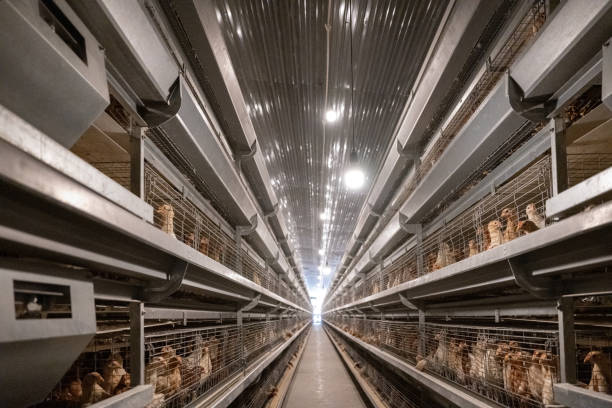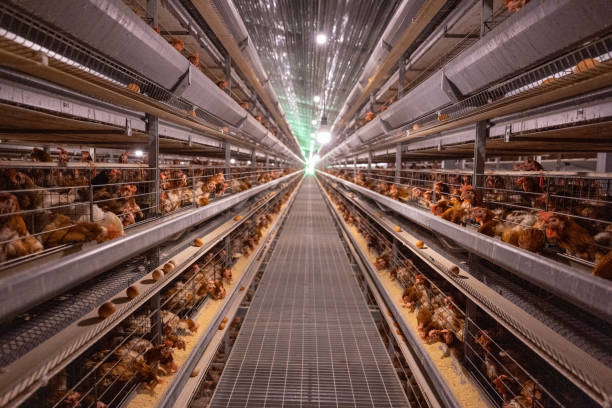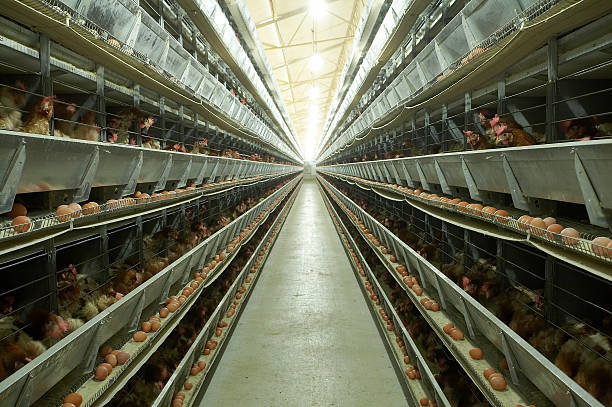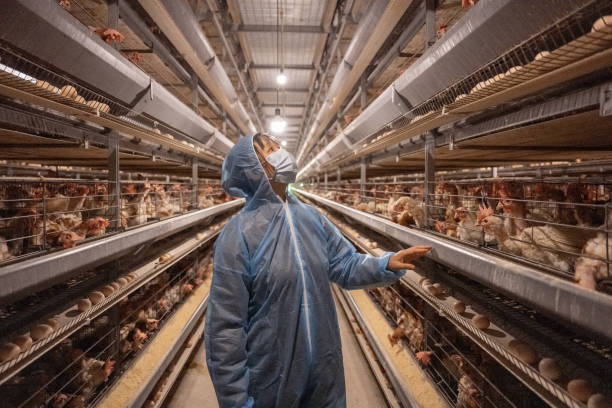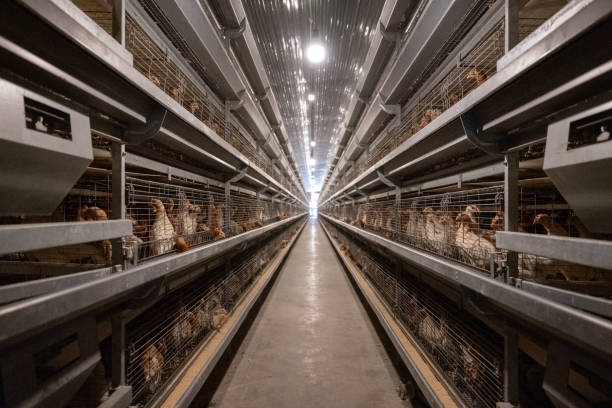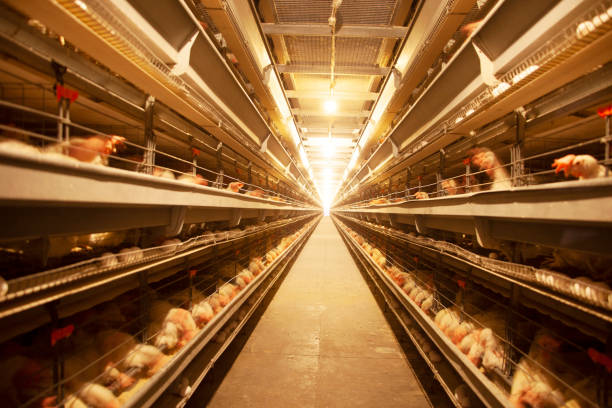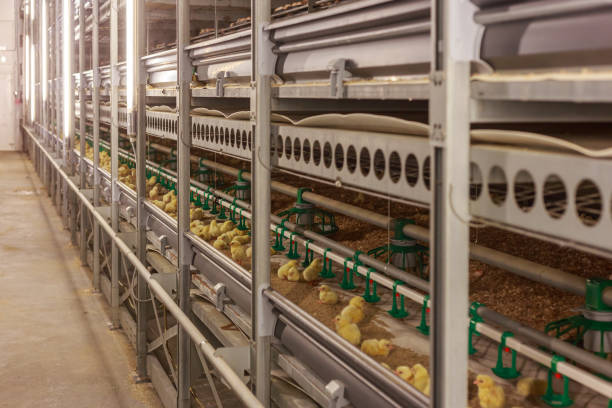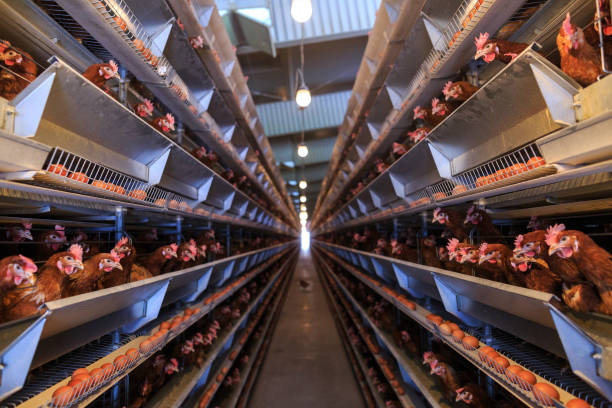

For a 20,000-bird commercial egg farm in Uganda, selecting the right housing system is a foundational business decision. This section explores why modern layer cages in Uganda are a critical investment, focusing on their operational and economic impact for a farm of this scale.
- Optimized Space: A-type designs allow for high-density, tiered housing, fitting more birds in a smaller building footprint, which is crucial where land costs are rising.
- Enhanced Bird Health: Automated manure removal systems keep birds separated from waste, drastically reducing disease incidence and mortality rates.
- Labor Efficiency: Integrated feeding, watering, and egg collection systems mean fewer workers are needed for daily management, addressing local labor cost challenges.
Implementing a cage system for 20,000 layers involves careful logistical planning. The process typically follows these key steps:
- Site Assessment: Evaluating the available land and infrastructure for proper shed orientation and utility access.
- System Design: Creating a detailed layout to ensure optimal airflow, light distribution, and workflow efficiency.
- Installation & Training: Professional setup of the cages coupled with hands-on training for farm staff on daily operations and maintenance.
For Ugandan poultry farmers, the strategic use of modern layer cages is essential for building a competitive, large-scale operation. We provide robust A-type systems engineered for the local climate, backed by on-site installation support and maintenance training. To receive a customized layout and cost-benefit analysis for your 20,000-bird project, contact us today.
Analyzing the Core Cost Components of Layer Cages for a 20,000-Layer Farm
This section breaks down the primary expenses involved in acquiring and operating layer cages for a commercial 20,000-bird farm in Uganda, helping farmers budget effectively and understand long-term value.
- The cage units themselves, constructed from galvanized steel for longevity.
- Essential integrated systems like automatic feeders, nipple drinkers, and manure belts.
- Structural support frames and installation labor.
Beyond purchase, operational costs directly impact profitability. Key ongoing expenses are:
- Feed & Water: Automated systems reduce waste but require regular maintenance.
- Manure Management: Daily removal and processing add to labor or utility costs.
- Bird Health: Denser housing necessitates vigilant biosecurity and vaccination programs.
A detailed cost projection for a Ugandan farm might look like this:
| Cost Component | Estimated Percentage of Total Investment | Key Considerations |
|---|---|---|
| Cage System & Equipment | 60-70% | Quality of galvanization, automation level |
| Installation & Setup | 10-15% | Local technician availability, site preparation |
| Initial Bird Stocking | 15-20% | Price of day-old chicks or point-of-lay pullets |
Understanding the full Cost of Layer Cages in Uganda empowers farmers to make informed investments. We provide durable A-type systems with local technical support to minimize your long-term operational expenses. [Contact us] for a customized 20,000-bird farm layout and detailed financial projection.
Evaluating Layer Cage Specifications to Optimize Bird Welfare and Farm Efficiency
Evaluating Layer Cage Specifications is a critical step for Ugandan poultry farmers aiming to balance animal welfare with operational productivity. This section will detail the key technical and design factors to assess, ensuring your investment supports both bird health and long-term farm profitability.
- Robust, corrosion-resistant materials to withstand local humidity
- Optimized bird density to prevent stress and feather pecking
- Efficient manure removal systems to maintain hygiene
- Reliable feed and water lines to minimize waste
Beyond basic features, specifications directly impact welfare and efficiency. A well-designed Layer Cages in Uganda system should provide:
- Adequate space per hen, with a recommended minimum of 450-500 cm², to allow for natural behaviors.
- Gentle slope on cage floors for easy egg collection, reducing breakages below 2%.
- Sufficient headroom and strategically placed nipples to ensure all birds have easy access to water.
When evaluating Layer Cages in Uganda, farmers must also consider local support for installation and maintenance. Partnering with a supplier who understands regional power reliability and can provide spare parts is crucial for uninterrupted operation. By meticulously reviewing these specifications against your farm’s specific conditions, you can secure a system that delivers a strong return on investment through improved bird livability and consistent egg production.
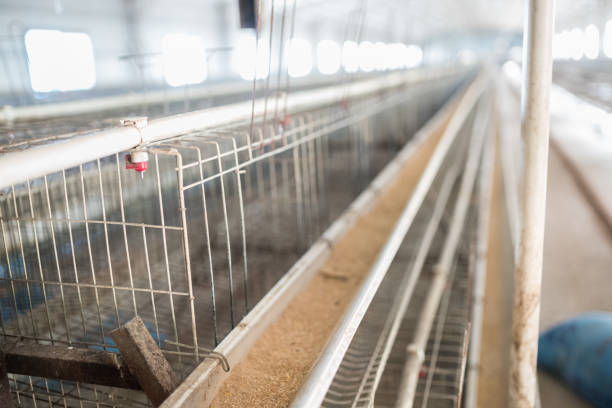
Calculating Long-Term Profitability and ROI for Your Commercial Layer Cage Investment
This section provides a framework for evaluating the financial viability of upgrading your poultry housing, focusing on key metrics beyond the initial purchase price. A thorough analysis ensures your investment in a modern layer cage system delivers sustainable returns, especially for a large-scale operation.
To calculate ROI for a 20000 Layers Farm, you must account for all costs and revenue streams over the system’s lifespan. Key financial components include:
- Initial Investment: Cage system cost, shipping, and professional installation.
- Operational Costs: Feed, labor, utilities, and routine maintenance.
- Revenue Factors: Increased egg production rate, improved egg quality grade, and reduced bird mortality.
- Longevity: A high-quality galvanized A-type cage can have a service life exceeding 15 years, spreading the initial cost.
Consider this illustrative 5-year projection for a Ugandan 20000 Layers Farm using an efficient A-type system:
| Financial Component | Year 1 | Year 2-5 (Avg. per Year) |
|---|---|---|
| Initial Capex | UGX 180M | – |
| Increased Revenue | UGX 40M | UGX 55M |
| Operational Savings | UGX 15M | UGX 20M |
The long-term profitability becomes clear when reduced waste and higher productivity consistently lower cost-per-egg. For a precise calculation tailored to your location and goals, request 20000-layer cage layout (PDF) and a detailed cost-benefit model. Our team in Uganda can provide localized data on utility savings and expected production gains specific to the layer cage. A proper ROI analysis confirms that efficient housing is a cornerstone of farm profitability. We provide durable, locally-supported A-type cages designed for the Ugandan climate to maximize your long-term returns. Contact us for a customized financial breakdown based on your current operation.
Planning Your Scalable and Cost-Effective Poultry Housing Solution in Uganda
Planning a scalable and cost-effective poultry housing solution in Uganda requires careful consideration of local conditions and long-term operational goals. This section outlines key planning steps and equipment choices to ensure a profitable and sustainable layer farm.
Begin by assessing your current and future flock size to select a system that can grow with your business. For most Ugandan farmers, investing in durable Layer Cages in Uganda is a strategic move. Key planning steps include:
- Calculating your available land and budget.
- Projecting your target bird capacity for the next 5 years.
- Choosing between local assembly and imported complete units.
- Improved hygiene and easier manure management.
- Higher bird density, maximizing limited space.
- Better feed conversion rates and egg collection efficiency.
To make an informed decision, compare the core attributes of a standard setup:
| Consideration | A-Type Cage Advantage |
|---|---|
| Initial Investment | Cost-effective per bird space |
| Long-term ROI | Enhanced productivity per square meter |
| Local Suitability | Adaptable to common Ugandan farm layouts |
Implementing the right layer cages in Uganda from the start is crucial for controlling costs and enabling future expansion. We provide robust A-type cages with local technical support for seamless setup. Contact us for a personalized, scalable layout and cost breakdown for your Ugandan farm.