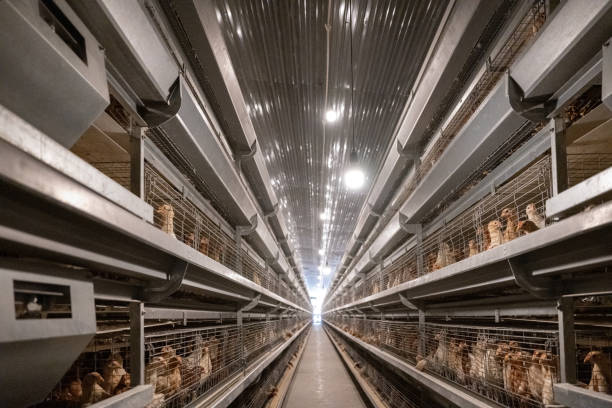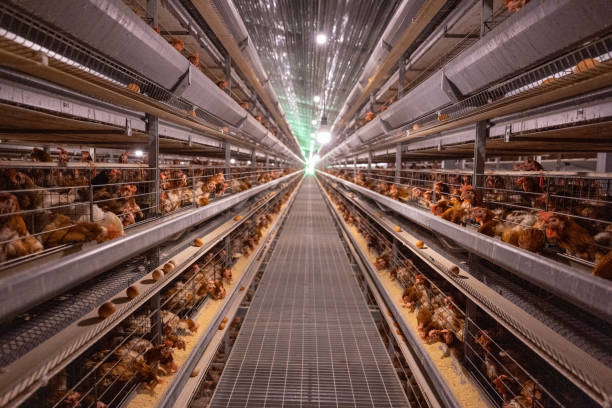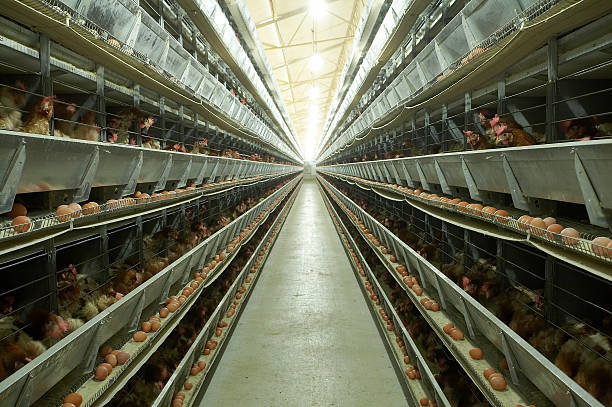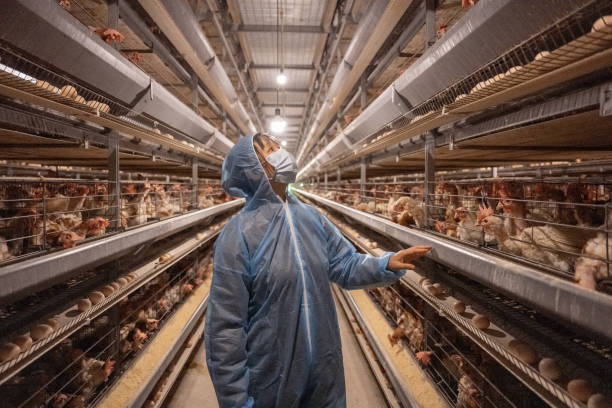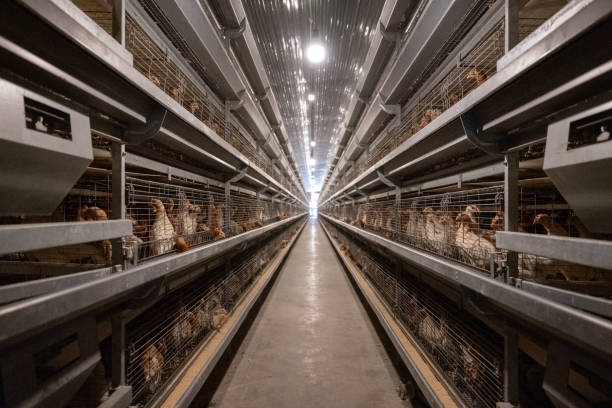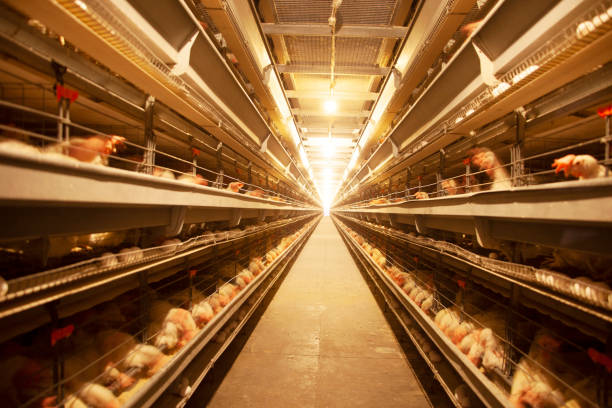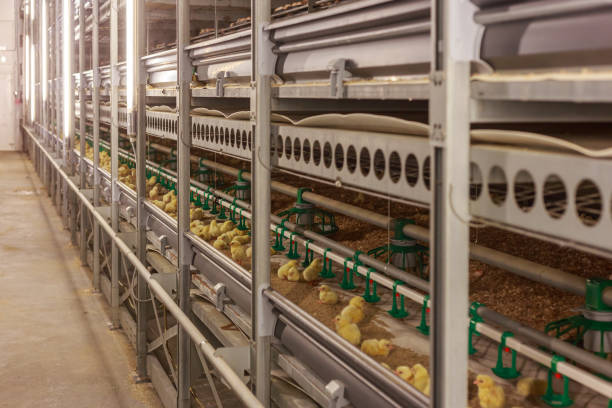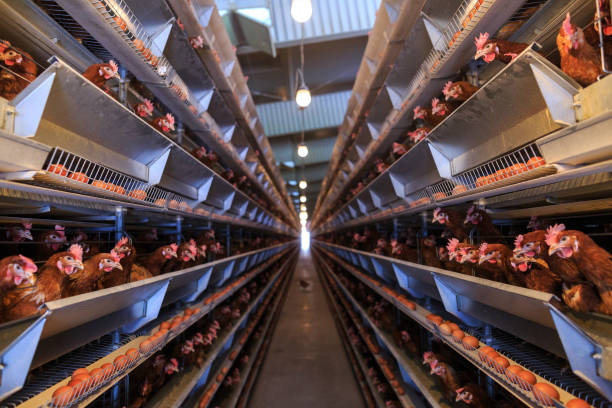

Establishing a successful poultry operation in Cameroon begins long before the first chicks arrive; it starts with a meticulous location and layout strategy. This section explores the foundational importance of a comprehensive poultry farm site selection and planning guide, detailing how it mitigates regional risks and sets the stage for long-term productivity and biosecurity.
- Proximity to major markets like Douala and Yaoundé to reduce transport costs and spoilage
- Reliable access to clean water sources and three-phase electricity, which can be inconsistent in rural areas
- Maintaining a minimum distance of 1-2 km from other livestock farms to prevent disease transmission
Following a structured guide provides concrete regional benefits. It directly addresses critical local challenges such as high humidity, which promotes pathogens, and variable land topography. The key advantage is creating a resilient operational blueprint that enhances biosecurity and logistical efficiency from day one. Implementing the guide involves several sequential steps:
- Conducting thorough soil percolation tests and wind pattern analysis for optimal shed orientation.
- Zoning the property for strict separation between live bird areas, feed storage, and waste management.
- Planning for future expansion, ensuring space for adding up to 20% more capacity without disrupting core operations.
In summary, a strategic site plan is your first and most critical investment for a profitable farm in Cameroon. We provide tailored layout consultations using local climate and market data. [Contact us] for a site evaluation template specific to your region.
Navigating Zoning and Environmental Factors in Your Poultry Farm Site Selection
Selecting the right land for your poultry operation in Cameroon involves more than just finding affordable acreage. A successful poultry farm site selection must carefully navigate local zoning laws and environmental considerations to ensure long-term viability and community harmony.
First, consult with local municipal authorities to understand specific zoning ordinances. Key steps include:
- Verifying the land is officially designated for agricultural or livestock use.
- Confirming required setback distances from residential properties, often 100-500 meters.
- Checking for any future urban development plans that could affect your operation.
- Water Source & Drainage: Secure a reliable water supply and ensure the site has a slope of 2-5% for proper runoff to prevent flooding and disease.
- Soil Composition: Test for porous soil to facilitate waste management and avoid contaminating groundwater.
- Prevailing Winds: Position housing to direct odors away from neighboring communities, leveraging typical wind patterns in your region.
By proactively addressing these regulatory and environmental aspects, you establish a foundation for a compliant and efficient farm. This diligence minimizes future conflicts and operational disruptions, allowing you to focus on productivity and growth.
Designing Core Infrastructure for a 30,000-Bird Operation in Cameroon
Designing the core infrastructure for a 30,000-bird poultry farm in Cameroon requires meticulous attention to local conditions and long-term operational efficiency. This section serves as a practical planning guide, focusing on housing, environmental control, and utility systems to ensure a solid foundation for your investment.
- A robust, elevated concrete floor for hygiene and predator protection
- Ventilation systems capable of handling high humidity and temperatures, combining ridge vents with tunnel fans
- Durable roofing materials, such as insulated aluminum sheets, to reflect heat and withstand heavy rains
- Strategic orientation of the poultry house to maximize natural airflow
A reliable utility backbone is non-negotiable. Your planning guide must prioritize:
- Secure water access, with a borehole, storage tanks holding at least 50,000 liters, and a sanitization system.
- Uninterrupted power, integrating the national grid with a backup generator (minimum 100 kVA) and possibly solar panels.
- Efficient feed and waste management logistics, including concrete feed bins and a designated composting area.
By following this structured approach, you create a resilient facility. We specialize in turnkey infrastructure solutions for West Africa, providing detailed CAD layouts and material sourcing support tailored to Cameroonian suppliers. planning guide for a 30,000-bird operation. Contact us for a customized site assessment and phased implementation plan.
Integrating Biosecurity into Your Poultry Farm Planning Guide from Day One
Integrating biosecurity measures from the initial stages of farm development is a non-negotiable pillar of modern poultry farming in Cameroon. This approach prevents costly disease outbreaks and ensures long-term flock health, making it a critical component of any effective planning guide. Proactive design is far more effective and economical than retrofitting solutions after a problem arises.
- Establishing distinct zones (clean, dirty, restricted) with controlled access points.
- Siting housing units at least 50 meters apart to limit disease spread between flocks.
- Planning for essential infrastructure like perimeter fencing, vehicle wheel dips, and dedicated changing facilities for staff.
Implementing this plan requires a clear, sequential strategy. The process typically involves three key steps:
- Conduct a site-specific risk assessment, considering local disease pressures and farm proximity to other livestock operations.
- Design infrastructure based on zoning principles, ensuring feed and egg collection routes do not cross contamination zones.
- Develop and document standard operating procedures (SOPs) for all personnel and visitors before the first bird arrives.
Adopting this integrated framework from the outset protects your investment and secures operational continuity. We provide customized farm layout designs that embed biosecurity into your core infrastructure, backed by local technical support for proper implementation. Contact our team to develop a biosecurity-integrated plan tailored to your Cameroon farm’s specific scale and goals.
Calculating Investment and Long-Term Productivity for Your 30,000-Bird Farm
This section explores the financial planning for a 30,000-bird operation, detailing initial capital allocation and the metrics that determine long-term profitability. A solid poultry farm site selection and planning guide is the essential first step to inform these calculations.
- Poultry housing and automated climate control systems
- High-capacity feeding, watering, and manure removal equipment
- Biosecurity installations and reliable power/water sources
Long-term productivity hinges on optimizing key performance indicators (KPIs). Focus on these sequential metrics to gauge ROI:
- Track feed conversion ratio (FCR) to manage your largest variable cost.
- Monitor livability rates and egg production/weight gain consistency.
- Calculate revenue against all operational expenses to determine your payback period.
| Investment Area | Key Consideration | Impact on Productivity |
|---|---|---|
| Housing & Equipment | Durability & Automation | Reduces labor, improves bird welfare & output |
| Bird Stock & Nutrition | Quality chicks & feed formula | Directly determines FCR and growth rates |
| Health & Biosecurity | Preventive measures & protocols | Minimizes mortality, ensures consistent production |
By aligning your investment with productivity-focused equipment and management, you build a resilient business. We offer customized financial models for Cameroonian farms and locally-sourced, durable cage systems. Contact us for a detailed ROI projection based on your specific plan.
Securing Your Investment: The Path to a Successful 30,000-Bird Farm in Cameroon
Establishing a 30,000-bird farm in Cameroon is a major investment. This section details the critical initial phase of poultry farm site selection and planning guide to ensure your project’s foundation is secure and profitable.
- Proximity to major markets like Douala or Yaoundé for logistics
- Reliable access to electricity, clean water, and quality feed suppliers
- Compliance with local environmental and zoning regulations
Proper planning involves sequential steps:
- Conduct a thorough land survey assessing soil drainage and topography.
- Design the farm layout for optimal biosecurity, separating zones for birds, feed, and waste.
- Budget for essential infrastructure, including housing, biosecurity fencing, and water storage systems.
A successful 30,000-bird operation begins with meticulous groundwork. We provide tailored site assessment and layout services specifically for the Cameroonian market. Contact our local team for a detailed project feasibility consultation.