
If you’re a poultry farmer in Uganda looking to scale up to 15,000 birds, you’re probably feeling both excited and a bit overwhelmed. That’s completely normal—15,000 birds is a serious operation, and getting it right means the difference between a thriving business and a constant struggle. The good news? Uganda’s poultry market is growing fast, with rising demand for eggs and meat in cities like Kampala, Jinja, and Mbale, plus export opportunities to neighboring countries like South Sudan and the DRC . The key is setting up your farm with the right equipment from the start. We’ve been helping farmers across Africa, including right here in Uganda, design and install poultry cage systems since 2012. In this guide, we’ll walk you through exactly what you need to know about building a 15,000-bird operation that works for Ugandan conditions.
Why 15,000 Birds Makes Sense for Ugandan Farmers Today
You might wonder whether 15,000 birds is too big or just right. The truth is, this scale hits a sweet spot in Uganda’s current market. With urbanization picking up and more families adding eggs to their daily diet, medium-scale farms are perfectly positioned to supply local markets consistently . Unlike small backyard flocks that can’t guarantee steady supply, a 15,000-bird farm can build relationships with schools, hotels, and retailers who need reliable delivery.
Plus, economies of scale start kicking in at this level. Your per-bird costs for feed, labor, and medication drop significantly compared to smaller operations . And with proper automation, you’re not doubling your workload—you’re actually making management easier. One trained worker can handle thousands of birds when the right systems are in place .
Choosing the Right Cage System for Your Ugandan Farm
When it comes to housing 15,000 birds in Uganda, you’ve got two main options: A-type or H-type cage systems. Each has its place, and the best choice depends on your building, budget, and goals.
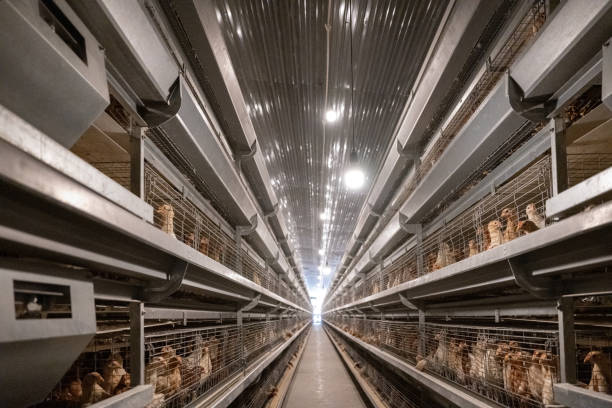
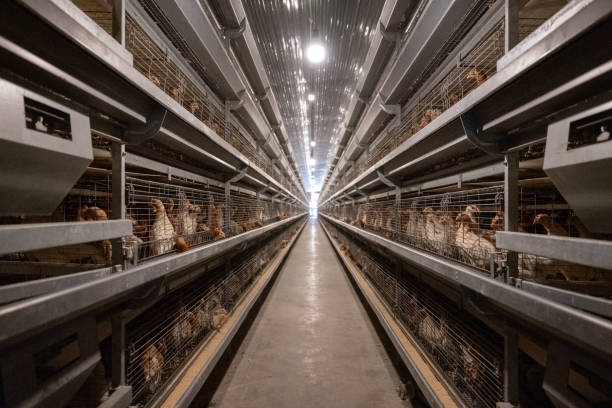
A-type layer cages are a proven, cost-effective solution that many Ugandan farmers start with. They’re arranged in an A-frame shape, typically with 3 to 4 tiers, and are easier to install in existing buildings with standard ceiling heights . Take the example of Ivan, a farmer just outside Kampala. In 2020, he expanded from 5,000 to 15,000 layers using our A-type cages across three houses, each 36 meters long and 8 meters wide. Each house holds 32 groups of 4-tier cages, accommodating about 5,000 birds per house . Three years later, his cages showed no signs of deformation or corrosion—something he’d struggled with using locally sourced equipment before—and his egg production jumped nearly 20% .
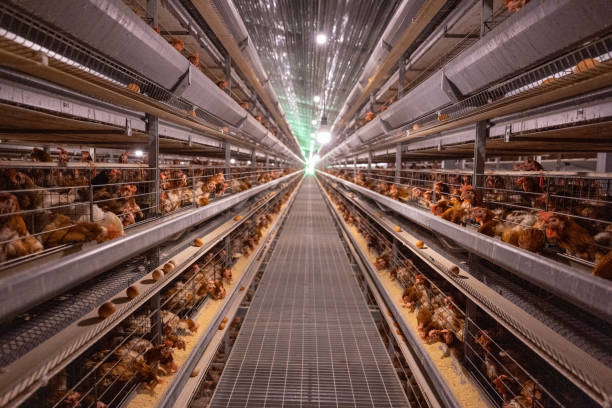
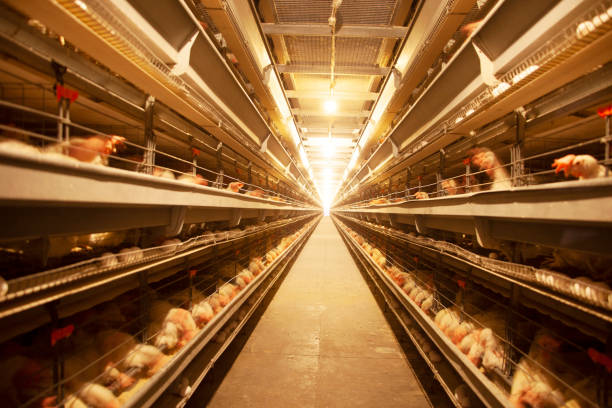
H-type layer cages are the modern standard for high-density farming. They’re stacked in a straight vertical arrangement, usually 3 to 5 tiers high, supported by an H-shaped frame. This design packs more birds into the same floor space—up to 10 birds per square meter compared to just 3 or 4 with floor systems . If you have a house with good height (at least 3.5 to 4 meters), H-type cages let you maximize your investment. They also integrate more seamlessly with full automation systems for feeding, egg collection, and manure removal .
For broilers, cage systems are designed differently, with stronger floors to support heavier birds and wider spacing to ensure comfort during growth. Many farmers in Uganda are now using broiler cages to achieve faster growth rates and better feed conversion .
What a Complete 15,000-Bird System Includes
A real poultry cage solution isn’t just the cages themselves. It’s an integrated system where every component works together. Here’s what a complete setup typically includes:
The cages themselves should be made from hot-dip galvanized steel wire. This isn’t just painted metal—it’s coated with a layer of zinc that protects against rust, which is essential in Uganda’s humid conditions, especially in central and eastern regions . The mesh gauge matters too; look for 14 to 16 gauge wire that won’t sag under the weight of your birds over time.
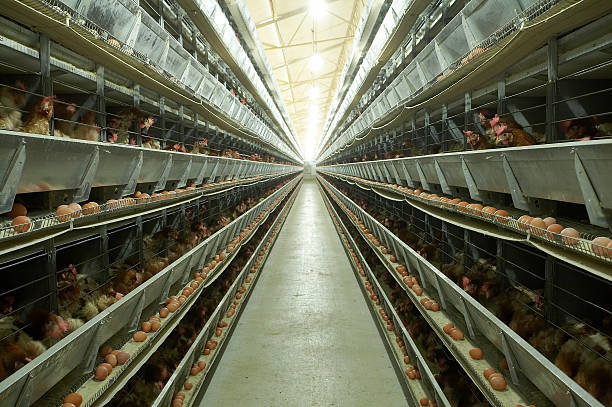
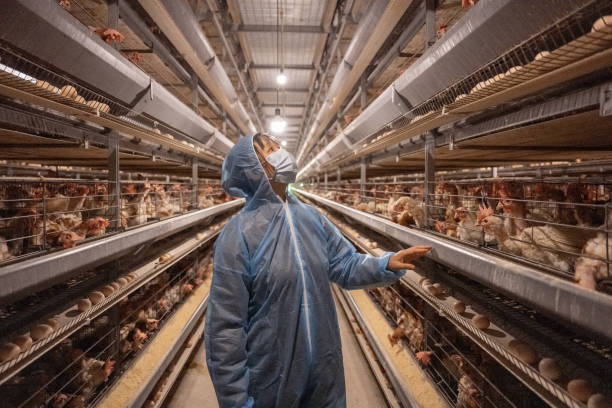
Automatic feeding systems save you massive amounts of labor—up to 40% or more . A chain or auger system distributes feed evenly along all troughs, ensuring every bird gets the same ration. This eliminates waste and prevents dominant birds from overeating while smaller ones get pushed aside .
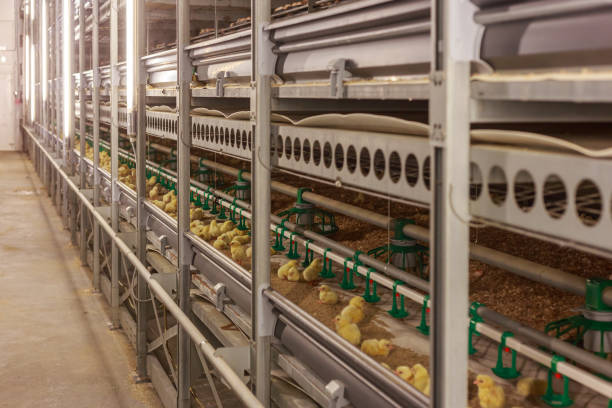
Nipple drinking systems provide clean water 24/7 and prevent contamination. Quality systems include pressure regulators to ensure the water flow is just right—enough for birds to drink easily but not so much that it causes leaks and wet litter .
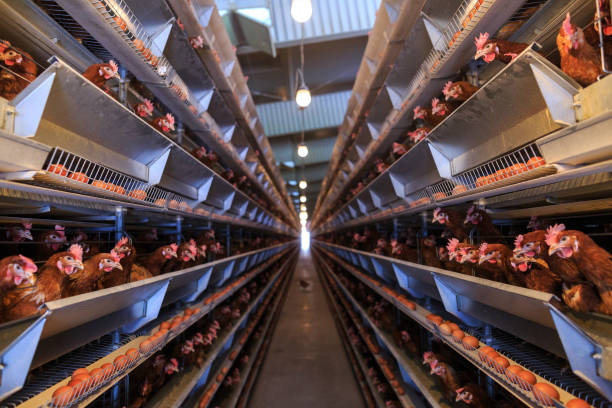
Automatic egg collection is a game-changer for layer operations. Eggs roll gently onto conveyor belts and travel directly to the packing room. This saves countless hours of manual collection and reduces breakage rates dramatically . Cleaner eggs fetch better prices at market.
Manure removal belts run under each tier of cages, automatically carrying waste out of the house several times a day. This slashes ammonia levels, improves air quality, and reduces fly populations around your farm . Plus, the dry manure makes excellent organic fertilizer—an extra income stream for many Ugandan farmers .
Ventilation is critical in Uganda’s warm climate. Whether you use natural ventilation with side curtains or a tunnel system with fans and cooling pads, proper airflow prevents heat stress and respiratory diseases . Some farmers are even adding solar-powered backup systems to keep fans running during power outages .
Real Results from Ugandan Farmers
The numbers speak for themselves. Farmers who’ve made the switch to modern cage systems are seeing real improvements. Ivan’s farm near Kampala now produces 13,000 eggs per month from his 15,000 layers, a nearly 20% increase from before . Another Ugandan layer operation upgrading to a 12,000-bird Livi system reported a 25% boost in egg production and labor cost savings around 35% .
These aren’t isolated cases. Across the country, farmers are finding that quality equipment pays for itself within 2 to 3 years through higher productivity and lower operating costs . And because our cages are built to last 8 to 12 years or more, that’s just the beginning of the benefits.
Making Your 15,000-Bird Project a Reality
Planning a 15,000-bird farm takes careful thought. Start by measuring your chicken house—length, width, and height at the eaves. For A-type cages, you’ll typically need houses around 36 meters long and 8 meters wide for 5,000 birds per house . For H-type systems, you can fit more birds in the same footprint, but you need adequate height for 4 or 5 tiers.
Think about your water and power situation. Automated systems need reliable electricity, so consider investing in a backup generator or solar solution, especially if you’re in an area with frequent outages . Water should be clean and available at all times—boreholes or large storage tanks are common solutions for Ugandan farms.
Work with a supplier who understands local conditions. At Livi Machinery, we don’t just ship cages—we help you design the layout, recommend foundation specs, and provide installation guidance. For Ivan’s project, we walked him through the entire process, and three years later we’re still in touch checking on his operation . That’s the kind of partnership that makes a difference.
Uganda’s poultry industry is growing fast, and the farmers who invest in modern equipment today will be the ones supplying tomorrow’s markets. Whether you’re building from scratch or upgrading an existing farm, 15,000 birds is an achievable, profitable scale with the right setup.
Ready to start your 15,000-bird project? Contact Livi Machinery today for a free consultation and custom farm design. Send us your land size and location, and we’ll provide a detailed layout and quote tailored to Ugandan conditions. Let’s build your farm’s future together.
Frequently Asked Questions
Q1: Can I really house 15,000 birds in my existing building in Uganda?
It depends on your house dimensions. For A-type cages, you typically need houses around 36m x 8m to hold 5,000 birds. For H-type cages, you can fit more birds per square meter but need at least 3.5-4m height. We can assess your space and design a layout that maximizes your capacity .
Q2: What’s better for Uganda’s climate—A-type or H-type cages?
Both work well when properly ventilated. A-type cages are more affordable and easier to install in lower-height buildings. H-type cages offer higher density and better integration with full automation. Your choice depends on your budget, building, and production goals .
Q3: How much will a complete 15,000-bird cage system cost in Uganda?
Costs vary based on cage type and automation level. For quality galvanized steel systems, expect to budget accordingly. Many farmers find that importing directly from manufacturers like Livi offers better value than buying from local dealers who mark up equipment . Contact us for a detailed quote based on your specific needs.
Q4: How long do galvanized cages last in Ugandan conditions?
High-quality hot-dip galvanized steel cages typically last 8 to 12 years or more with proper maintenance. Unlike painted cages that rust quickly in humid areas, galvanized cages resist corrosion and stay strong for years .
Q5: Do I need automation for 15,000 birds?
While you can manage manually with enough workers, automation pays for itself through labor savings. Even partial automation—like automatic feeders—can reduce labor needs by 40% or more . For 15,000 birds, automated feeding and manure removal are smart investments.
Q6: What about ventilation in Uganda’s warm climate?
Ventilation is crucial. Your system should include proper airflow design—whether natural ventilation with side curtains or mechanical fans with cooling pads. Good ventilation prevents heat stress, which hurts egg production and bird health .
Q7: Can I get spare parts and support after installation?
Yes. We provide ongoing technical support via WhatsApp, email, or video calls. Spare parts are available year-round, shipped directly from our warehouse or through regional stockists. All equipment carries a warranty, and we stay in touch with farmers long after installation .
Q8: How do I handle manure from 15,000 birds?
Automatic manure belts remove waste daily, keeping the house clean and dry. The collected manure can be sold as organic fertilizer—a nice additional income stream for many Ugandan farmers .
Q9: What if the power goes out?
We recommend backup generators or solar power systems to keep ventilation and feeding systems running during outages. Some farmers are now integrating solar solutions to reduce electricity costs and ensure continuous operation .
Q10: How long does installation take for a 15,000-bird system?
Installation typically takes a few weeks, depending on site preparation and system complexity. We provide detailed manuals and video guides, and for larger projects, can arrange on-site supervision to ensure everything is set up correctly .