
How to Start a Profitable Chicken Egg Farm
Starting a profitable chicken egg farm might seem like a simple idea, but it’s actually a blend of careful planning, smart investment, and solid management. Whether you’re just getting started with small-scale backyard laying hens or dreaming of a large commercial egg operation, there are key steps you need to take to ensure your farm becomes not just sustainable, but truly profitable. At Livi Machinery from Zhengzhou, we’ve helped hundreds of egg farmers around the world build efficient, scalable operations—so we know what it takes to turn an idea into income.
In this guide, we’ll walk you through everything from choosing the right breeds and setting up a modern poultry house, to maximizing output with automation and connecting with markets that pay well. Let’s crack open the shell and get to the good stuff.
Choosing the Right Breed and Planning Your Setup
One of the first—and most important—decisions you’ll make is selecting the right breed for egg production. If you want high volume and efficiency, commercial breeds like the Hy-Line Brown, Lohmann, or Hisex are your best friends. These hens are bred specifically for their laying performance—they can produce 300+ eggs per year and have excellent feed conversion ratios, meaning they eat less while giving you more.
But before you pick your chickens, you also need to think about your scale. Are you starting small, say 500 birds, or aiming for 10,000+? The answer changes everything—from housing design to equipment needs. For smaller farms, basic wire cages or floor systems with proper ventilation work well. But as you grow, going automatic starts paying off fast.
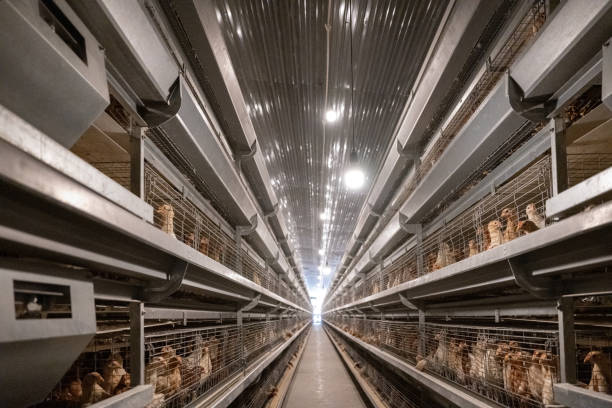
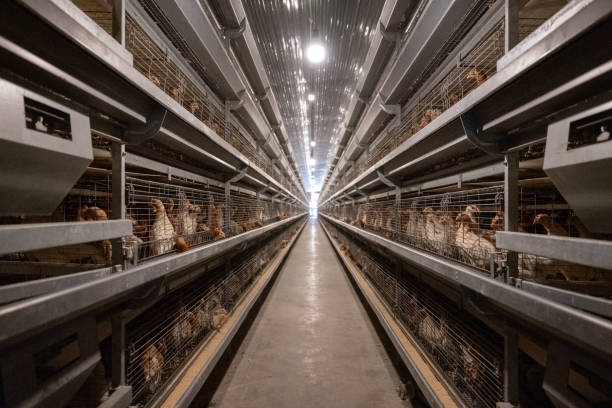
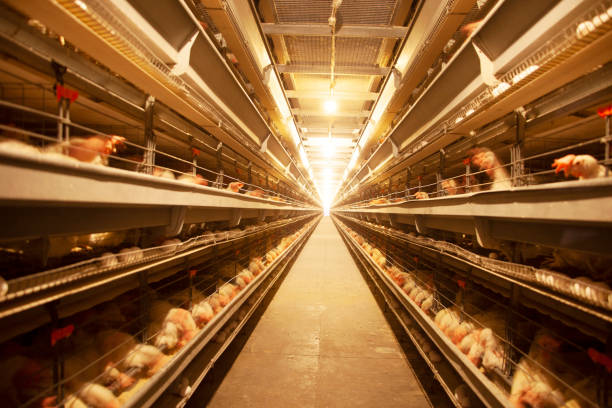
That’s where modern layer cage systems come in. Automated feeding, drinking, egg collection, and manure removal save labor, reduce stress on hens, and cut down on disease risks. We at Livi specialize in fully integrated egg farming solutions—from tunnel-ventilated houses to tiered cage setups that maximize space and comfort. Think about it: one worker managing 10,000 hens? That’s only possible with smart equipment.
Designing a Smart, Clean, and Efficient Poultry House
Your hens live, eat, lay, and sleep in their house—it better be good! A poorly designed coop leads to poor performance, higher mortality, and lower profits. That’s why climate control, airflow, and sanitation are non-negotiables.
First, choose the right location. Avoid low-lying areas prone to flooding, and stay away from residential zones if local laws restrict farm odors or noise. Orient your house east-west to minimize sun exposure during peak heat hours. Insulated walls and roof panels keep temperatures stable—critical because hens lose appetite and stop laying if it gets too hot or cold.
Ventilation is another game-changer. Tunnel ventilation with exhaust fans and cooling pads works wonders in hot climates. It keeps the air moving, removes ammonia, and cools the birds naturally. In colder regions, use cross-ventilation with adjustable inlets to prevent drafts while maintaining fresh air flow.
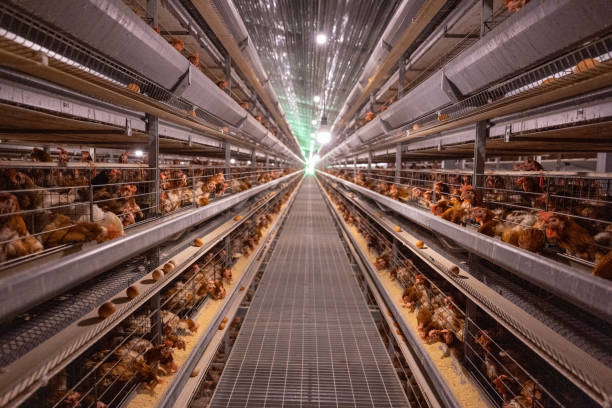
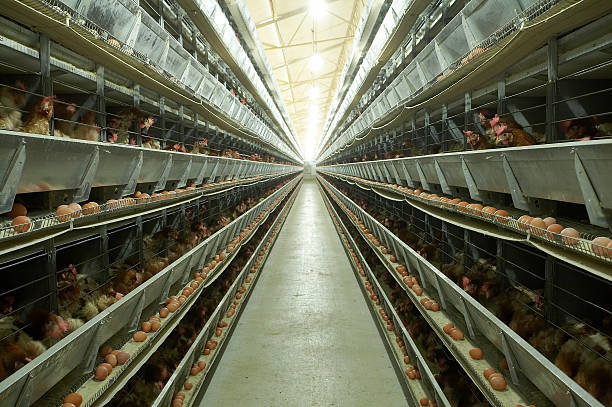
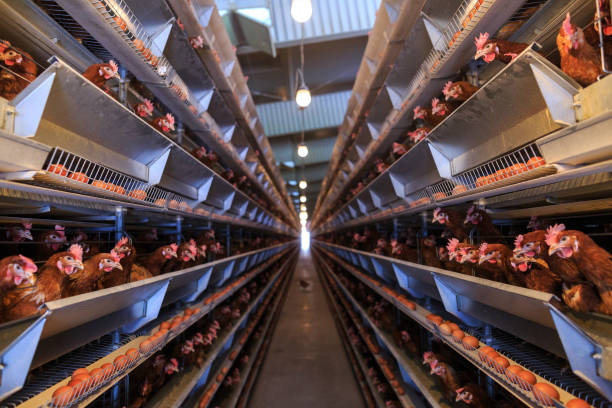
Now let’s talk about the inside layout. Today’s egg farms rely on automatic layer cages—typically 3 to 4 tiers high. These systems save floor space, improve hygiene (since droppings fall below), and allow quick cleaning. Each cage should have enough room per bird—usually 450–500 cm²—to avoid overcrowding and aggression.
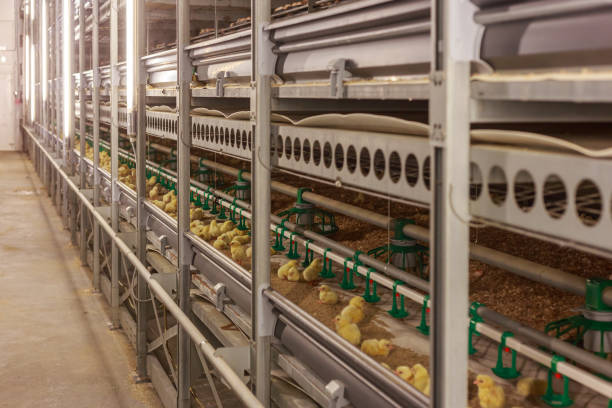
Equipped with automatic chain feeders and nipple drinkers, these systems make daily chores a breeze. And don’t forget automated egg collection belts. Eggs roll gently out of the cage onto a belt that transports them to a central collection point. No bending, no breaking, and no lost eggs. Plus, it keeps eggs clean by minimizing contact with manure.
With the right setup, your hens stay healthy, your labor costs drop significantly, and your daily egg yield becomes more predictable and consistent. That’s how profitability starts.
Feeding, Health Management, and Daily Operations
You can have the fanciest house and the best equipment, but if your flock isn’t healthy or well-fed, your profits will suffer. Nutrition is the foundation of egg production.

Laying hens need a balanced diet rich in calcium (for strong shells), protein (around 16–18%), and essential vitamins. Use high-quality commercial layer feed or work with a nutritionist to formulate your own mix. Always provide fresh, clean water—dehydrated hens stop laying within hours.
Feed them at consistent times, and monitor feed intake daily. A sudden drop could signal illness or stress. Speaking of health—prevention beats cure every time. Vaccinate against common diseases like Newcastle, Gumboro, and Infectious Bronchitis according to a vet-approved program.
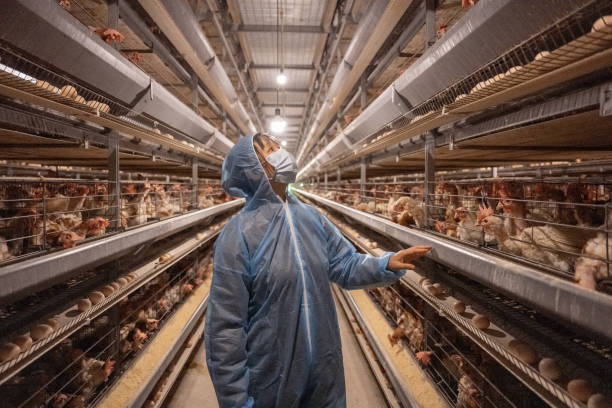
Keep your house clean and dry. Remove manure regularly (automated scraper systems help here), disinfect between flocks, and control pests like mites and rodents. Good biosecurity means limiting visitors, using footbaths, and quarantining new birds before introducing them to the main flock.
Lighting is another sneaky factor. Hens need about 14–16 hours of light per day to maintain peak laying. In winter months, supplement natural daylight with energy-efficient LED lights. Use timers to keep the schedule consistent—you’ll be amazed how much this impacts egg numbers.
Also, monitor your flock closely. Look out for signs of stress: panting, feather loss, reduced activity. Check egg quality—thin shells, blood spots, or irregular shapes often indicate nutritional imbalances or disease.
By keeping your birds happy and healthy, you protect your biggest asset and ensure a steady stream of high-quality eggs ready for market.
Marketing Your Eggs and Scaling for Higher Profits
Producing eggs is only half the battle—selling them profitably is the real win. So, who’s buying? Local supermarkets, restaurants, schools, wholesalers, or direct-to-consumer via farmers’ markets?
Know your market early. Some buyers prefer free-range or organic labels, which could mean adjusting your system. Others care more about consistency, packaging, and price. Build relationships. Offer reliable supply, clean packaging, and great service—and they’ll keep coming back.
Packaging matters more than you think. Simple stamped cartons with your farm name, contact info, and a “fresh from [your town]” tag add value and brand recognition. Some farms even offer home delivery or subscription models—imagine customers getting fresh eggs every Friday!
Once your basic operation runs smoothly, consider scaling. Add more houses, increase flock size, or diversify into incubation and selling day-old chicks. You could also invest in processing—for example, washing, grading, and pasteurizing liquid eggs for bakeries and food manufacturers.
And remember: the more automated your farm is, the easier it scales. With remote monitoring systems, you can check temperature, feed levels, and egg output from your phone—even when you’re off-site.

We’ve seen farms start with 2,000 hens and expand to over 100,000 in just five years—all because they built smart from the beginning. At Livi Machinery, we don’t just sell equipment; we help you plan growth paths, optimize layouts, and access global standards that open up export opportunities.
Ready to start your own profitable egg farm? Or maybe you’re already running one and want to upgrade to automated systems that save time and boost yields? Drop us a message with your current setup, target size, and country. We’ll send you a customized solution and a quote tailored to your budget and goals. Don’t guess your way through—let’s build something that lays golden eggs together.
FAQ
What is the most profitable chicken breed for egg farming?
Hy-Line Brown and Lohmann layers are among the most profitable. They lay 300+ eggs per year, eat efficiently, and adapt well to cage systems.
How many hens do I need to make a living from egg farming?
It depends on local prices and costs, but generally, 5,000–10,000 hens can generate a solid full-time income when managed well and connected to good markets.
Are automatic egg farming systems worth the cost?
Yes, especially beyond 3,000 birds. Automation cuts labor costs, improves hygiene, increases egg collection speed, and reduces breakage—paying for itself in 2–3 years.
How much space does each laying hen need?
In cage systems, 450–500 cm² per bird is standard. Floor systems require more space—about 8–10 sq ft per hen.
What’s the average egg production per hen per year?
Commercial breeds lay 280–320 eggs annually, peaking at around 90% production in their first year.
How long do laying hens produce eggs commercially?
Most farms keep hens for 12–18 months before replacing them, as egg output declines after that.

Can I convert my old barn into an egg farm?
Sometimes—but you’ll need proper ventilation, lighting, pest control, and structural upgrades. New purpose-built houses usually offer better efficiency and disease control.
How do I reduce feed waste in my egg farm?
Use automatic feeders with adjustable troughs, regulate fill levels, and inspect for spills daily. Wasted feed is one of the biggest hidden costs.
What’s the best ventilation for a layer house?
Tunnel ventilation works best in hot climates. In cooler areas, cross-ventilation with insulated walls maintains stable indoor conditions.
How do I find buyers for my eggs?
Start locally—visit markets, talk to grocery managers, reach out to bakeries. Online ads and word-of-mouth also help. Packaging and freshness make you stand out.