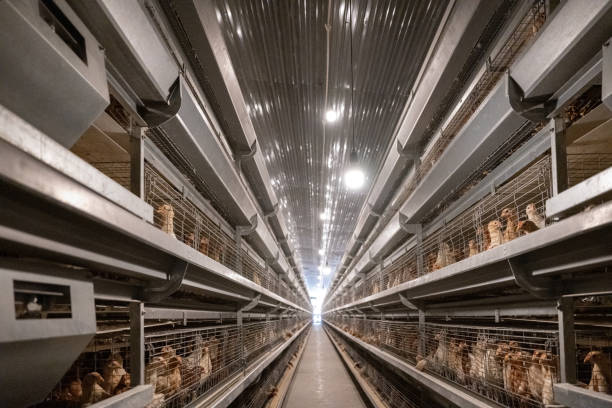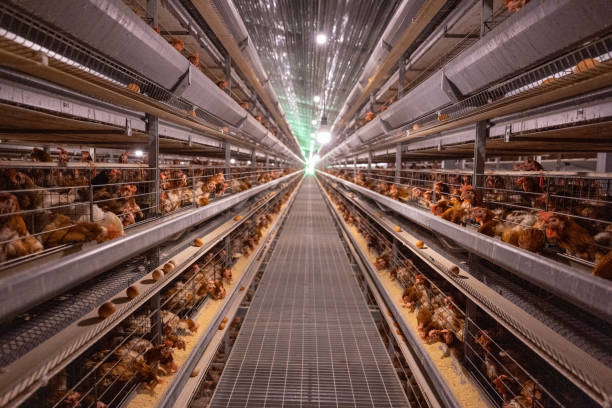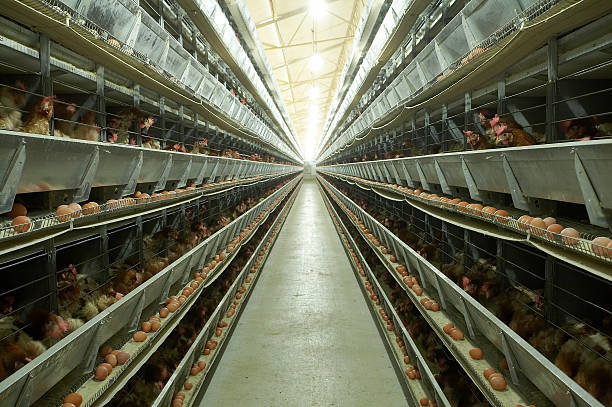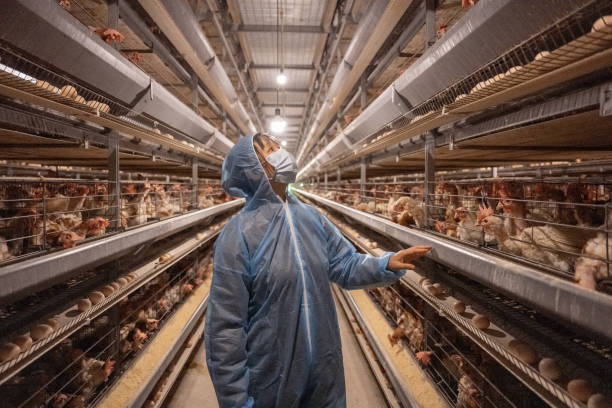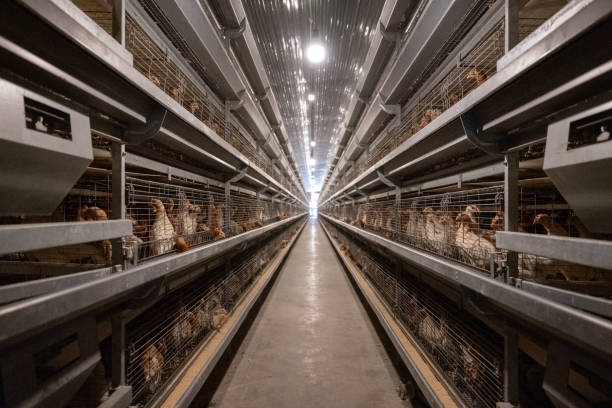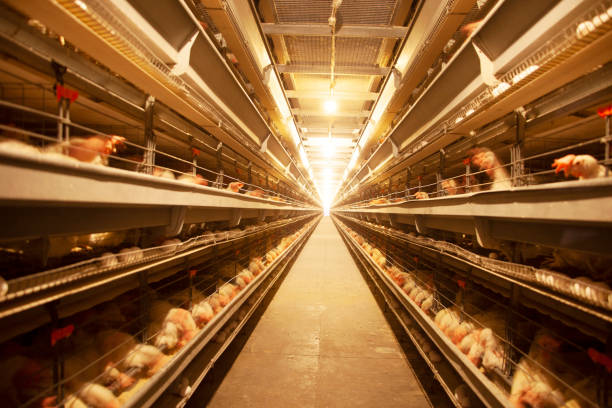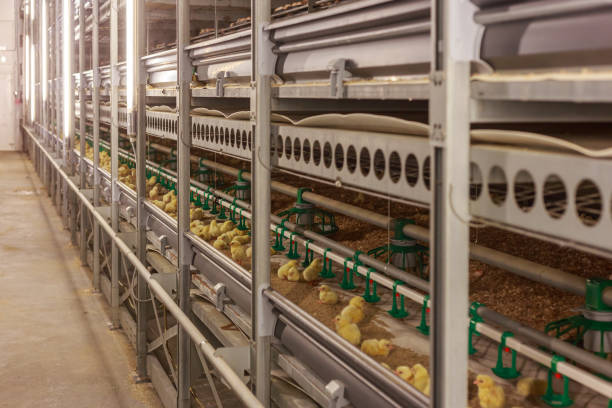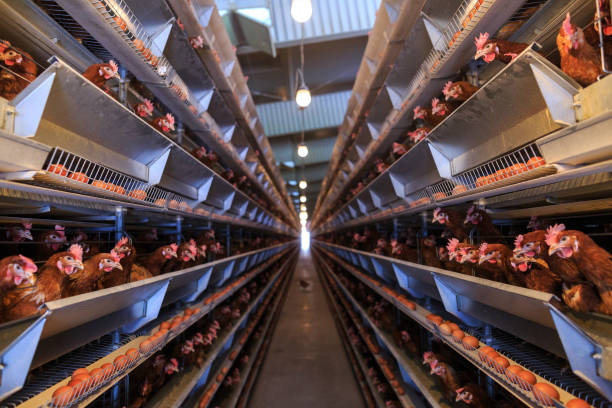

If you’re setting up or upgrading a layer poultry farm in India, one of the first questions that comes to mind is: “How much does a layer poultry cage cost?” It’s a fair—and critical—question. But here’s the thing: there’s no single “standard price” for layer cages in India. Why? Because the final cost depends on multiple real-world factors—like cage type (battery vs. floor-based), capacity (number of birds per tier), material (galvanised steel vs. stainless steel), automation level (manual feeding vs. automatic egg collection), and whether the system includes extras like climate control or data monitoring. We’ve supplied over 120 poultry farms across Maharashtra, Tamil Nadu, Karnataka, and Punjab—and every project had a tailored quote, not a one-size-fits-all number. So instead of quoting vague ranges you’ll see elsewhere (“₹8,000–₹25,000 per unit”), let’s break down what actually moves the needle on pricing—and how you can plan your budget wisely without overspending or under-investing.
What Drives Layer Cage Prices in the Indian Market
Let’s start with materials—because this alone accounts for nearly 45–55% of the total cage cost. In India’s humid coastal regions or high-temperature zones like Rajasthan, standard painted steel won’t last beyond 2–3 years. That’s why most forward-looking farmers now choose hot-dip galvanised (HDG) steel with ≥275 g/m² zinc coating. Livi’s HDG cages have been tested for 8+ years in farms near Coimbatore and Hyderabad—with zero rust at weld points. Stainless steel? Yes, it lasts longer, but it’s often overkill (and 2.5x more expensive) unless you’re running an organic-certified unit with strict chemical-free protocols. Next, consider design complexity. A basic 3-tier battery cage for 90 birds might start around ₹1,35,000 per set (including installation). Add automatic feeders, nipple drinkers, and conveyor belt egg collection—and that jumps to ₹2,10,000–₹2,45,000. And don’t forget ancillary costs: civil work (foundation & shed modification), electrical wiring for ventilation fans, backup inverters, and even transport from our Pune warehouse to your village in Odisha. We always build a “Total Farm Readiness Cost Sheet” with clients—not just cage price, but what it really takes to switch on Day 1.
Why “Cheapest” Cages Often Cost You More in the Long Run
We get calls almost weekly: “Your quote is ₹18,500 per 100-bird module—why is it ₹3,000 higher than the local vendor’s?” Fair question. Here’s what that ₹3,000 difference usually covers:
✔️ Reinforced corner brackets that prevent sagging after 3 years of daily manure scraping
✔️ Adjustable tray angles (not fixed!) so eggs roll smoothly—even during monsoon humidity when trays get slightly damp
✔️ Cage door hinges made of forged brass instead of cheap zinc alloy (they won’t snap when workers open/close 120 times a day)
✔️ Pre-drilled mounting holes aligned exactly for your existing shed truss spacing—no on-site drilling, no delays
One Gujarat client ordered cheaper cages from another supplier. By month 7, two tiers collapsed due to undersized horizontal supports. Repairs, downtime, and dropped egg yield cost him ₹2.2 lakhs—more than the entire Livi upgrade would have cost upfront. Bottom line? Look at cage ROI, not headline price. With proper maintenance, a well-built Livi layer cage delivers clean egg collection, lower stress mortality (±15%), we recommend adding a solar-integrated UPS (we’ve deployed over 47 such setups in Jharkhand and Chhattisgarh). Happy to analyse your bill or conduct a free site voltage audit.