
How to Start a Small Chicken Farm in Kerala
Starting a small chicken farm in Kerala can be a smart and rewarding business move—especially with the rising demand for eggs and poultry meat across South India. Thanks to favorable weather, growing consumer awareness, and government support, Kerala has become an ideal location for small-scale poultry farming. But where do you begin? Whether you’re a first-time farmer or someone looking to diversify into agriculture, setting up a successful chicken farm requires more than just land and birds. It needs smart planning, quality equipment, and the right strategies to manage costs and maximize output.
In this guide, we’ll walk you through everything you need to know—from choosing the right location and housing system to selecting high-performing breeds and maintaining hygiene. We’ll also touch on how investing in modern chicken farming equipment like automated feeders and climate-controlled cages can dramatically improve your productivity and animal welfare. By the end, you’ll have a clear roadmap to launch a sustainable and profitable small chicken farm in Kerala.
Setting Up Your Farm: Location, Space & Housing Design
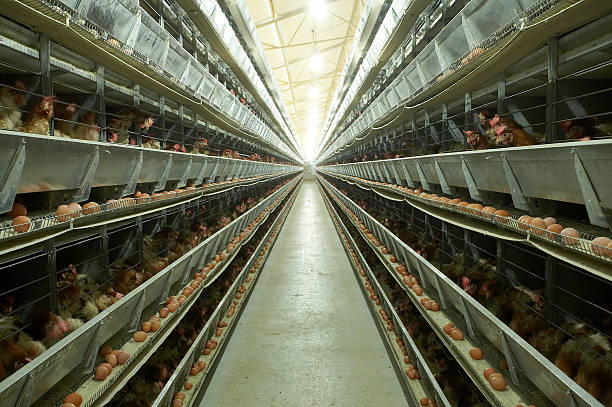
The foundation of any successful poultry operation starts with proper setup. In Kerala, where humidity levels can be high and rainfall heavy during monsoon, picking the right location is crucial. Ideally, choose elevated land that drains well and remains dry throughout the year. Avoid low-lying areas prone to waterlogging, as damp conditions increase the risk of disease outbreaks among birds.
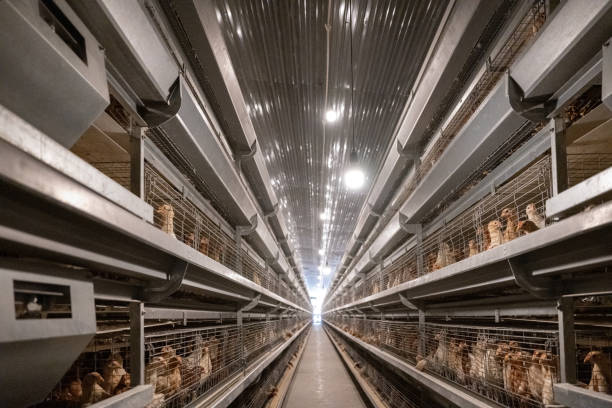
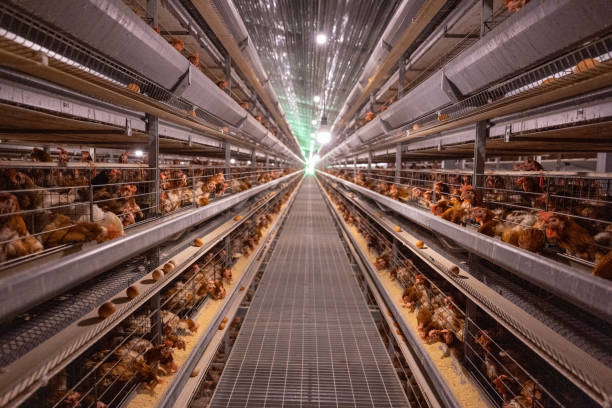
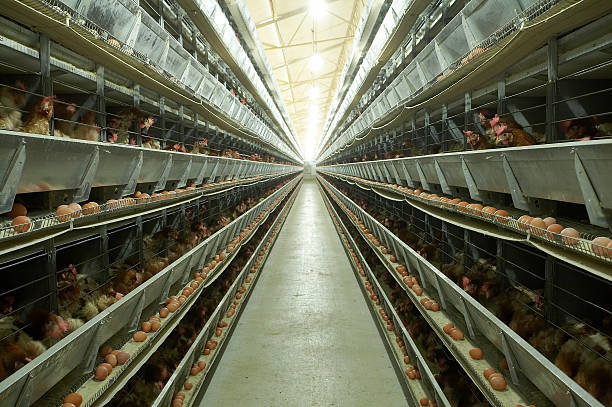
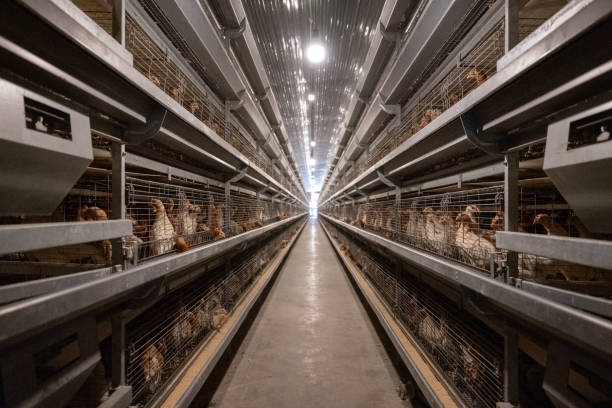
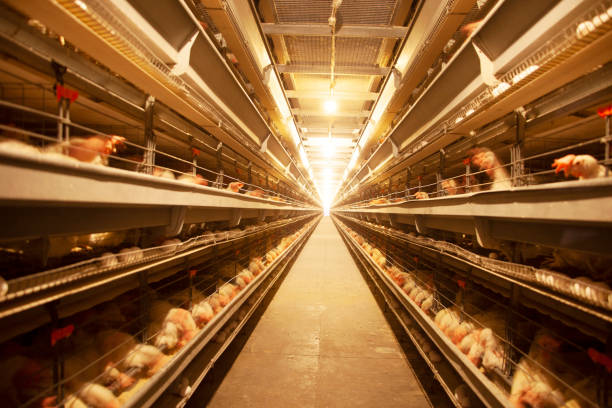
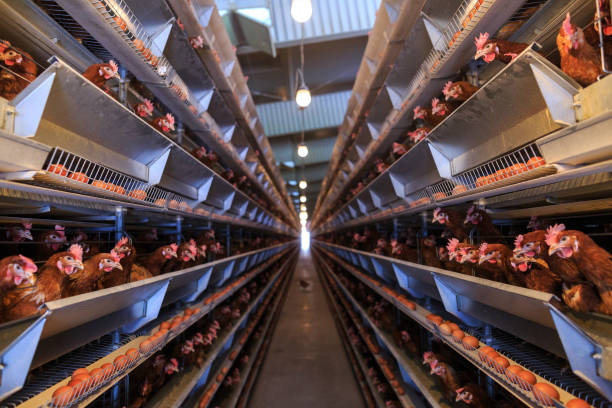
Once you’ve identified a suitable plot, decide on the housing system best suited for your goals. For small farms (typically 100–500 birds), deep litter housing or cage systems work best. Deep litter involves spreading straw or sawdust on the floor for birds to roam freely, which is low-cost but harder to maintain cleanliness at scale. On the other hand, using galvanized steel chicken cages—like those offered by Livi Machinery—can save labor, reduce waste, and keep birds healthier by minimizing contact with droppings.
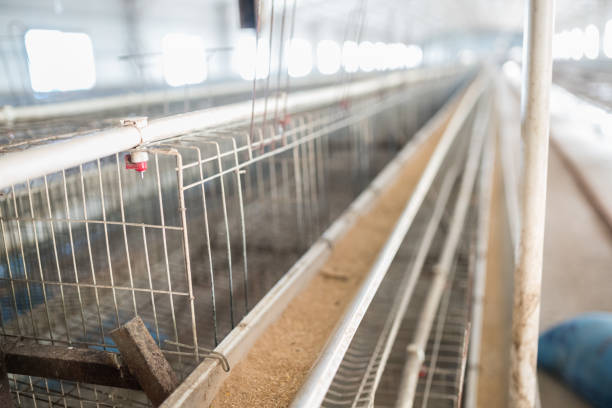
Proper ventilation is key in Kerala’s tropical climate. Install mesh windows or exhaust fans to ensure fresh air circulation while keeping predators out. Also plan for roofing materials that provide insulation—like asbestos sheets or clay tiles with gaps—to prevent overheating during summer afternoons. Don’t forget space per bird: allow at least 2 square feet per layer bird inside cages, and more if raising broilers. Lastly, secure fencing around the shed and set up rodent traps to avoid contamination and disease spread.
Choosing the Right Breed & Feeding Strategy
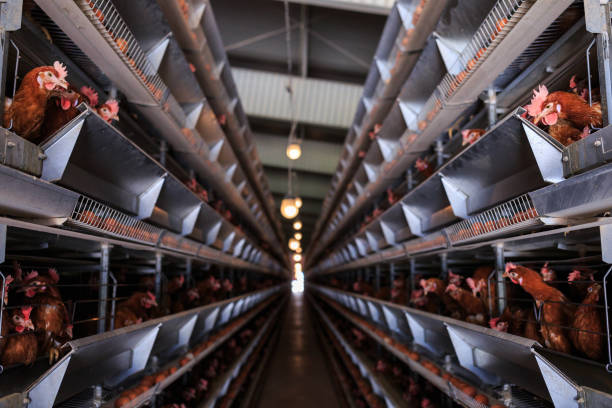
Your success depends heavily on the breed you select. In Kerala, two main types dominate backyard and commercial setups: layers (egg-producing) and broilers (meat chickens). If your goal is steady income from eggs, go for high-yielding hybrids like White Leghorns, Bovans Brown, or Kuroiler—a dual-purpose breed gaining popularity due to its adaptability and good egg/meat production.
For meat-focused small farms, Cobb 400 or Hubbard broilers grow fast and convert feed efficiently. These birds reach market weight in 6–8 weeks under optimal conditions. However, fast growth demands quality nutrition and strict health monitoring. That’s why sourcing reliable day-old chicks from registered hatcheries—such as Vencourt, Sree Krishna, or Venky’s—is essential.
Feeding accounts for nearly 70% of your operating cost, so efficiency matters. Use standardized feeds based on age: starter (0–4 weeks), grower (5–8 weeks), and finisher (above 8 weeks) for broilers; layer mash after 18 weeks for egg-layers. To cut costs without compromising nutrition, consider supplementing with locally available protein sources like black soldier fly larvae, boiled kitchen scraps, or greens like cassia leaves.
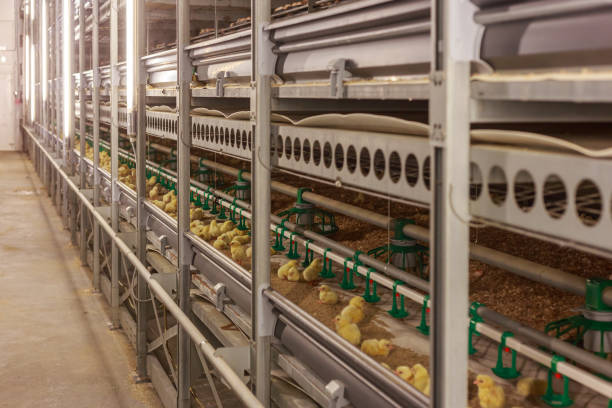
Also think about automation. Manual feeding takes time and often results in waste. Modern automatic feeding systems deliver measured portions directly into troughs, saving feed, reducing labor, and ensuring even distribution. Paired with nipple-based drinking lines, these systems help maintain consistent water and food access—critical for healthy growth.
Managing Health, Hygiene & Daily Operations
Even the best setup will fail without diligent daily care. Disease prevention should be your top priority. New birds must undergo quarantine before joining the flock. Vaccinate against common illnesses like Ranikhet (ND), Gumboro, Marek’s Disease, and Fowl Pox according to a vet-recommended schedule. Keep records of vaccination dates and observe birds closely for signs of lethargy, reduced appetite, or respiratory issues.
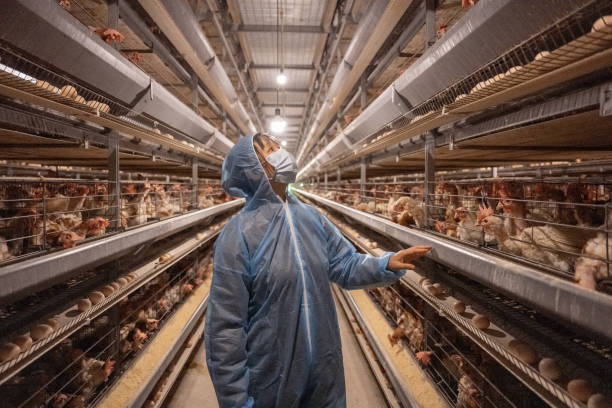
Cleanliness plays a major role in biosecurity. Clean feeding trays and drinkers weekly. Replace wet litter regularly in deep litter systems. For caged setups, slope trays beneath cages allow manure to slide off easily—making cleanup faster and odor minimal. Disinfect sheds between cycles using lime wash or approved disinfectants. Always wear gloves and boots when entering the coop, and restrict visitors to reduce infection risks.
Daily tasks include checking temperature (especially important during monsoon), ensuring lights are working (layers benefit from 14–16 hours of light/day), refilling water, collecting eggs twice a day, and removing dead birds immediately. Investing in basic tools—a digital weighing scale, thermometer, hygrometer, and egg candler—will make management easier and data-driven.
If possible, partner with local veterinary services or register with the Department of Animal Husbandry for advisory support. Many farmers in Kerala also join self-help groups or cooperatives to share knowledge, bulk-buy inputs, and collectively sell produce for better prices.
Scaling Smart: From Backyard to Profitable Business
Many small farms in Kerala start modestly—with just a few hundred birds—but with smart planning, they can scale steadily. Focus on consistency first: achieve high survival rates (target above 90%), strong egg production (280+ eggs per hen per year), and low FCR (Feed Conversion Ratio