
Poultry Farm Equipment & Design Guide in Zambia
Zambia’s poultry industry is growing fast. With rising demand for eggs and chicken meat across cities like Lusaka, Kitwe, and Ndola, more farmers are investing in modern poultry farming. Whether you’re starting small or scaling up an existing farm, choosing the right equipment and designing an efficient layout can make all the difference. At Livi Machinery, we’ve helped hundreds of farmers across Africa set up high-performing poultry farms—and Zambia is no exception. In this comprehensive guide, we’ll walk you through everything you need to know about poultry farm equipment and design specifically tailored for Zambian conditions.
If you’re serious about building a profitable farm, the first step isn’t buying chicks—it’s smart planning.
Understanding Local Needs: Climate, Market & Infrastructure
Before you buy any equipment, it’s important to understand what makes poultry farming in Zambia unique. The country enjoys a subtropical climate with two main seasons: a rainy season from November to April and a dry, cooler winter from May to August. This affects how you manage ventilation, cooling, and housing insulation. For example, during summer months, especially in regions like Southern Province, temperatures can rise above 30°C—making heat stress a real concern for laying hens and broilers.
On the other hand, the dry season offers ideal conditions for litter-based systems if managed properly. But dust control becomes essential. Power supply can be inconsistent in rural areas, so backup solutions like solar-powered fans or inverters may be worth considering.
Market-wise, the demand for table eggs and broiler chickens continues to grow, driven by urbanization and rising incomes. Many Zambian farmers start with backyard operations, but there’s strong potential to scale into semi-commercial or fully commercial setups—especially near major towns where transport and distribution networks exist.
Infrastructure also plays a role. If your farm is located far from roads or electricity, you might lean toward simpler, low-tech systems. However, even remote farms benefit from smart investments in durable, easy-to-maintain equipment that reduces labor and improves survival rates.
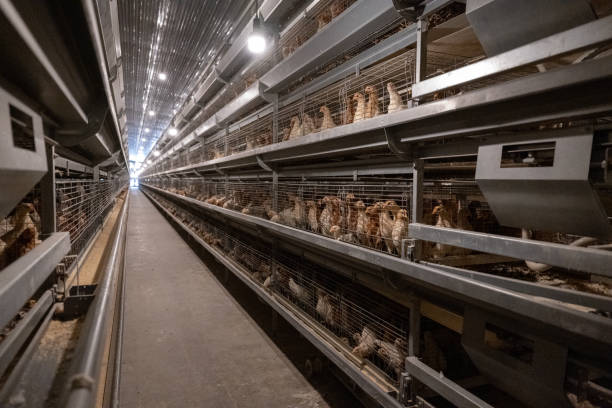
This is where professional-grade poultry equipment comes in—not just as tools, but as long-term assets that improve efficiency and profitability.
Choosing the Right Poultry Equipment for Your Farm Size
Your equipment choices should match your goals: Are you raising replacement pullets? Focusing on egg production? Or running a broiler operation? Each path requires different gear.
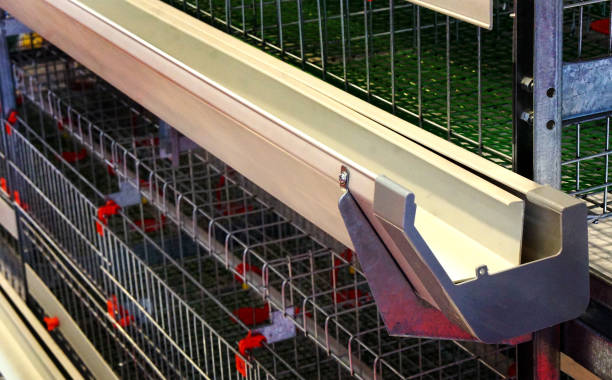
For small-scale farmers (100–500 birds), a simple battery cage system for layers or a floor rearing setup with basic feeders and drinkers works well. We recommend our galvanized steel chicken cages—they resist rust, last over 15 years, and are easier to clean than wooden setups. Even at this level, automatic feeding troughs save time and reduce waste compared to scatter feeding.
Mid-sized farms (500–5,000 birds) should consider upgrading to automated systems. Automated nipple drinker lines ensure constant fresh water access and help prevent disease spread. Feed chain systems cut feeding time significantly—critical when managing several thousand birds daily.
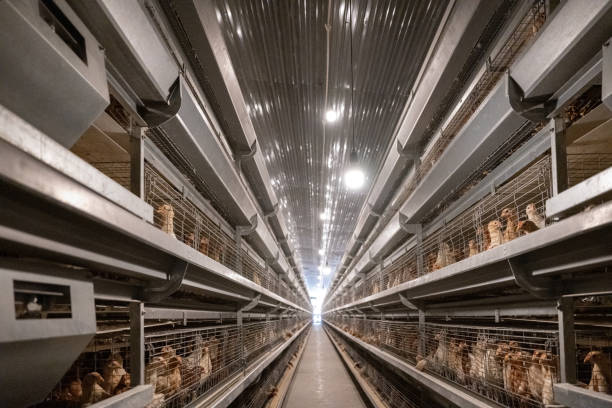
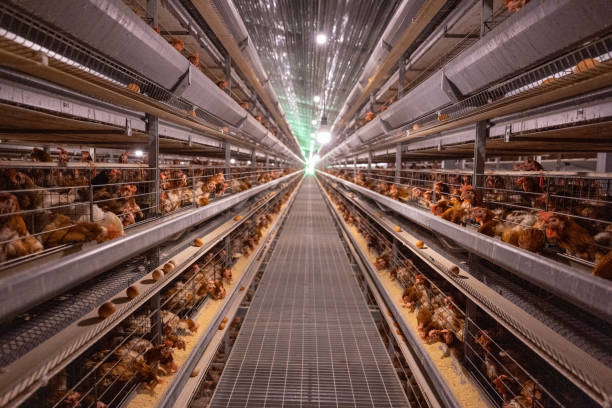
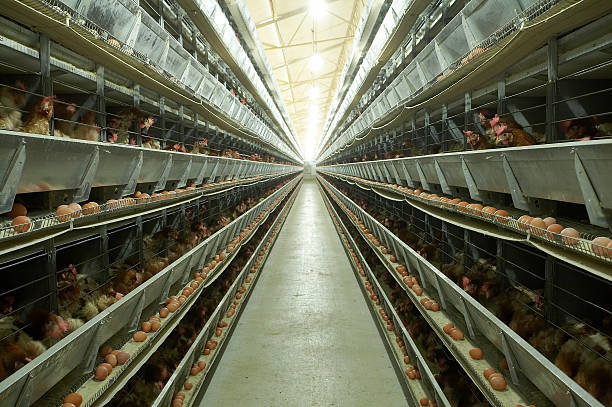
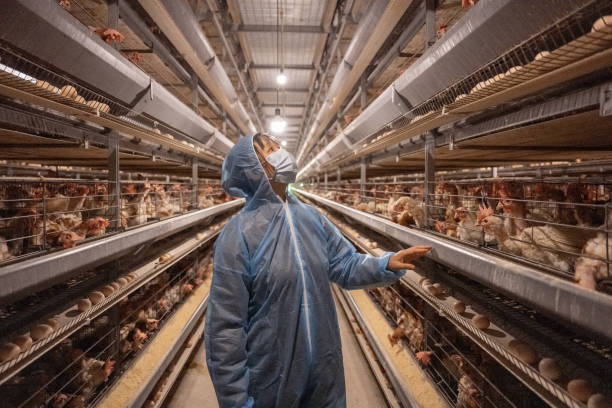
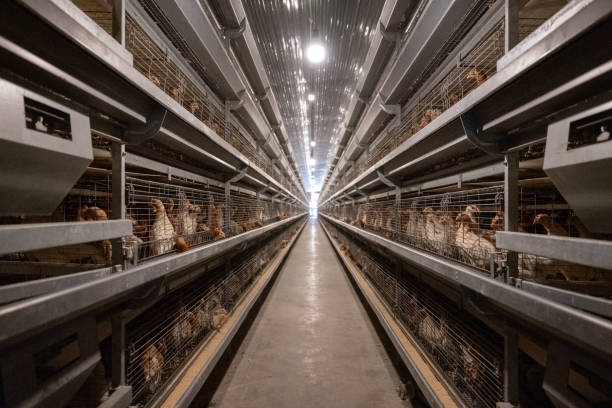
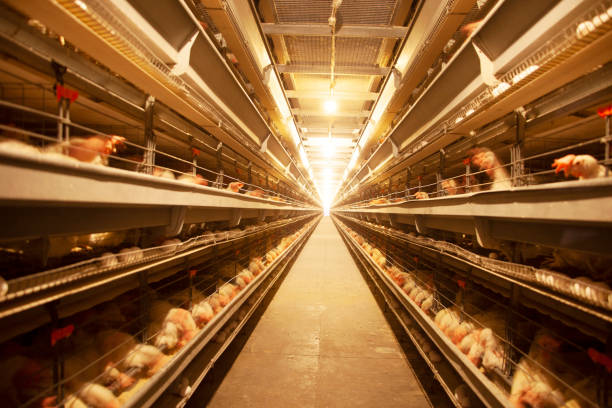
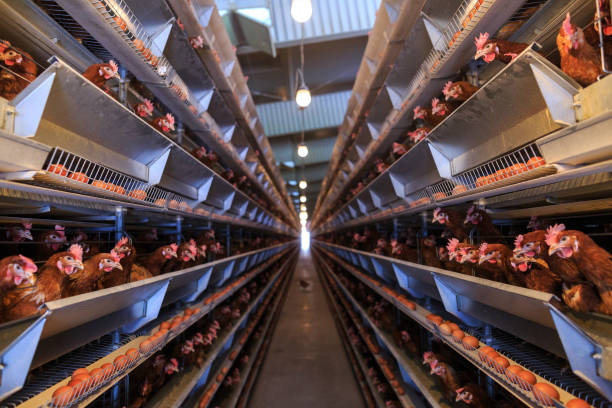
Large commercial farms (5,000+ birds) need full automation: conveyor belts for egg collection, manure removal systems, tunnel ventilation, and environmental controllers. These might seem expensive upfront, but they pay off in reduced labor costs, better biosecurity, and improved bird performance.
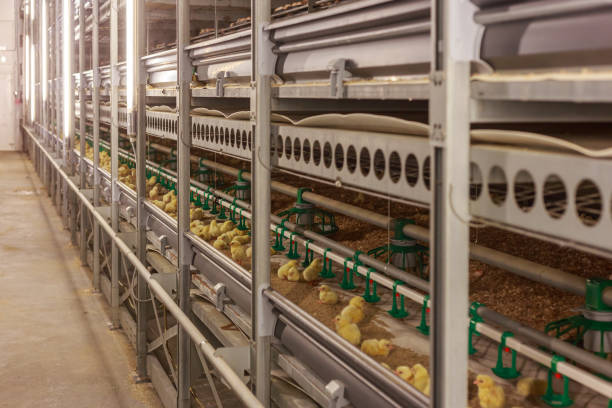
One key piece often overlooked? The chick brooder. Healthy starts mean healthy flocks. Our multi-tier chick rearing cages come with integrated heating and lighting controls, helping young birds grow evenly and avoid overcrowding stress. In Zambia, where early chick mortality can be high due to temperature swings, proper brooding is non-negotiable.
And let’s not forget incubation. Instead of relying on unreliable hatcheries, many progressive Zambian farmers now use our fully automatic incubators with digital controls. These machines can hatch over 1,000 eggs per cycle with 90%+ hatchability—giving farmers full control over genetics and timing.
Whatever your scale, always prioritize durability. Cheap plastic feeders crack under sun exposure; flimsy wire cages deform quickly. Choose hot-dipped galvanized metal, UV-resistant materials, and designs tested in African climates.
Designing an Efficient and Scalable Poultry House Layout
Even the best equipment won’t perform well in a poorly designed house. A good layout maximizes space, airflow, ease of management, and biosecurity—all while adapting to local building practices.
Start by orienting your poultry house east-west to minimize direct sunlight during the hottest part of the day. This helps control indoor temperatures naturally. For layer houses, aisles between rows should be at least 80 cm wide for easy access and egg collection. Broiler houses usually use a central aisle with cages or pens on both sides.
Spacing matters too. Overcrowding leads to stress, disease, and lower productivity. Follow these general guidelines:
Layers: Allow 4–5 birds per square meter in cages
Broilers: Max 8–10 birds per m² on floor, less in hot seasons
Breeders: Give them more room—about 3–4 birds per m²
Ventilation is another critical factor. In Zambia, natural cross-ventilation works in cooler areas, but hotter zones require exhaust fans and evaporative cooling pads. Tunnel ventilation systems are ideal for larger operations, pulling air from one end to the other at controlled speeds. Pair this with roof insulation (like aluminum foil sheets) to keep internal temps stable.
Don’t skimp on lighting. Hens need consistent light cycles—usually 16 hours a day—for maximum egg production. LED poultry lights with timers ensure consistency without high energy bills. Place lights evenly to avoid dark corners where weak birds might hide.
Manure management is often neglected but vital. Accumulated droppings release ammonia, harming respiratory health. For caged systems, manure belts or scraper systems remove waste regularly. Floor systems need deep litter management—regular turning and replacement—with absorbent materials like wood shavings or rice husks.
Finally, think about workflow. Position feed silos close to the feed line inlet. Place egg collection points near exit doors for quick transport. Design entry locks with footbaths to prevent outsiders from bringing in diseases. Every smart detail adds up to better performance and fewer headaches.
Putting It All Together: From Planning to Production
Building a successful poultry farm in Zambia doesn’t happen overnight. It takes research, solid equipment, and thoughtful design. But the good news? You don’t have to do it alone.
At Livi Machinery, we’ve worked with farmers across Southern Africa to deliver complete turnkey solutions—from site assessment and house design to equipment delivery and installation training. Our systems are built to last in tough environments, and we offer flexible shipping options to Lusaka, Livingstone, Mongu, and beyond.
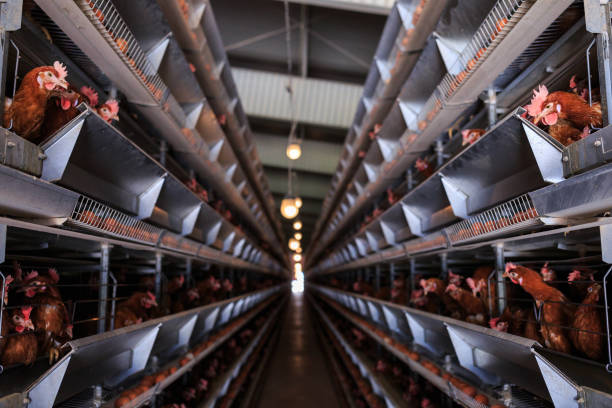
Whether you want a single layer house for 2,000 birds or a full integrated complex with hatchery, grow-out, and egg packing line, we can help you plan every step. And because we manufacture everything in-house since 2012, we keep prices competitive while ensuring quality control.
Want to get started? Share your farm size, location, and goals with us—we’ll send a free customized layout and quotation within 24 hours. No obligation, just expert advice tailored to Zambia’s market and climate.
Drop us a message today and take the first step toward a smarter, more profitable poultry farm.