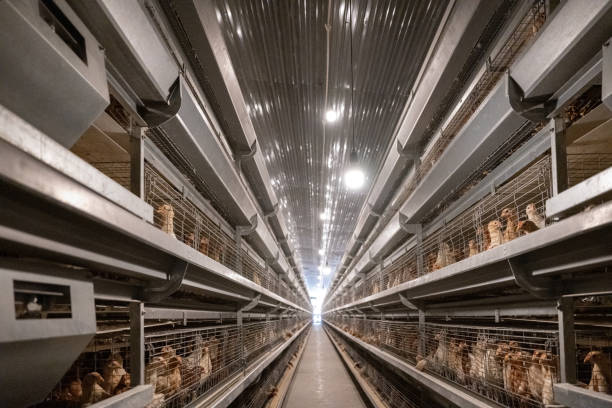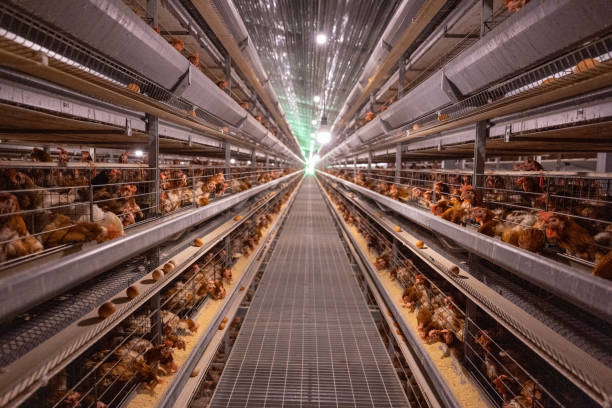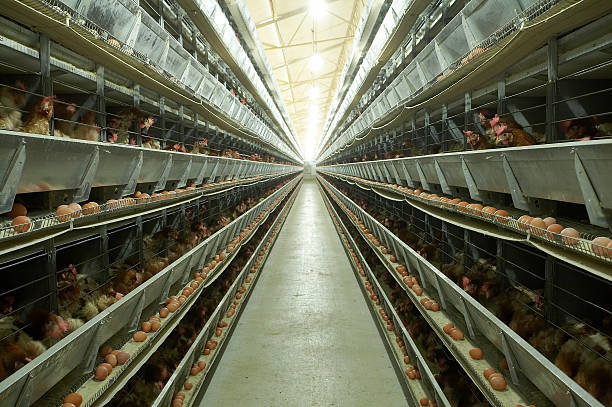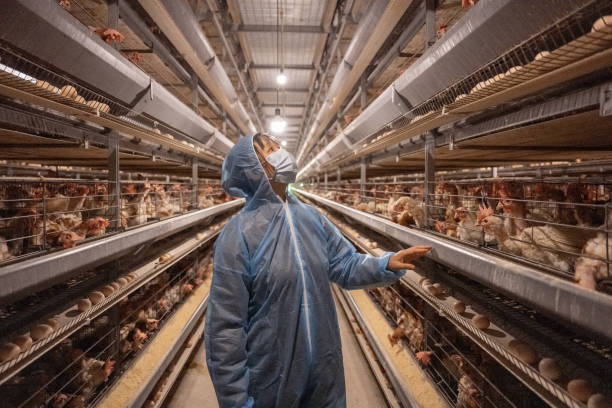

Improved Kienyeji Chicken Cages in Eldoret
If you’re a poultry farmer in Eldoret or anywhere across Kenya’s Rift Valley region, you’ve probably heard about the growing demand for Kienyeji (indigenous) chicken. Known for their superior taste, low-fat content, and high market value, Kienyeji birds are a preferred choice for many households and restaurants. But traditional free-range rearing has its challenges — disease spread, predation, poor feed control, and difficulty monitoring growth. That’s where improved Kienyeji chicken cages come in. Designed specifically for local conditions yet built with modern farming needs in mind, these cages are revolutionizing how small to medium-scale farmers raise indigenous chickens — not just in Eldoret, but across East Africa.
Why Improved Kienyeji Cages Are Changing the Game in Eldoret
Eldoret is more than just a regional hub; it’s a center of innovation in agriculture and agribusiness. As urbanization grows and consumers demand better food safety and consistency, poultry farming must adapt. The old method of allowing chickens to roam freely around homesteads leads to inconsistent weight gain, exposure to parasites like mites and worms, and higher mortality rates. This traditional model also makes egg collection harder and less reliable.
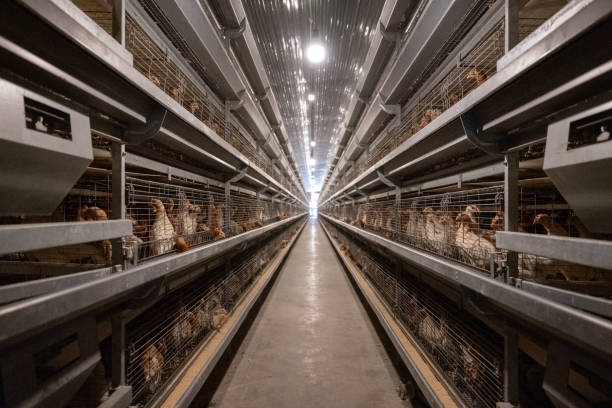
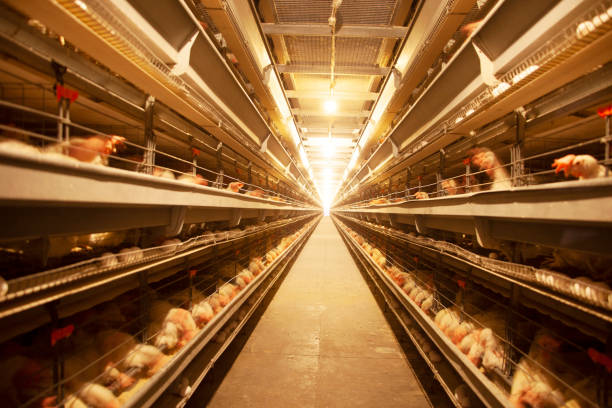
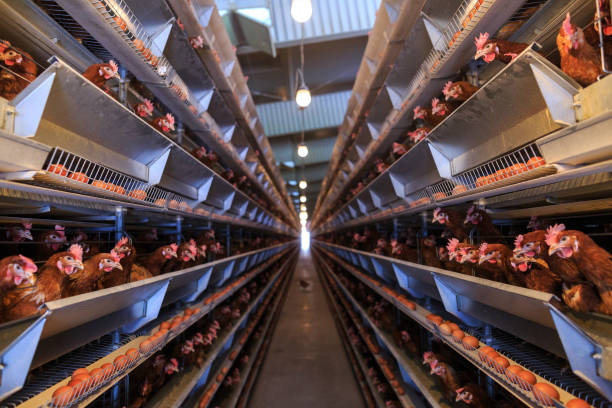
Improved Kienyeji chicken cages solve these problems by offering controlled environments without sacrificing the bird’s natural behavior or quality. These systems are designed to mimic free-range movement while keeping birds safe, healthy, and efficient to manage. At Livi Machinery, we’ve engineered our Kienyeji cages with adjustable mesh floors to prevent coccidiosis, anti-rust galvanized steel frames for durability, and optimized ventilation for Rift Valley’s climate — dry and sunny most of the year but sometimes unpredictable during rainy seasons.

What sets these new-generation cages apart is their focus on productivity and animal welfare. For example, each module can house 20–30 hens comfortably, with dedicated feeding troughs, nipple drinkers, nesting boxes, and perches that encourage natural roosting habits. Plus, elevated designs keep droppings separate from feed and water, drastically reducing bacterial contamination. Farmers who’ve switched from backyard rearing to caged systems report up to 35% higher egg production and a 60% drop in chick mortality — game-changing numbers when running a commercial operation.
How the Right Cage Design Boosts Profitability and Efficiency
You might be wondering — why invest in a structured cage system when land isn’t scarce and chickens seem to do well on their own? The answer lies in scalability and consistent returns. Let’s break it down: an average Kienyeji hen lays around 80–120 eggs per year under ideal conditions. But in uncontrolled backyard settings, that number often drops below 60 due to stress, malnutrition, or broodiness. With proper caging, you create stable micro-environments where factors like light, temperature, hygiene, and feed intake are managed.
Take feed efficiency alone. When birds scavenge, they consume inconsistent diets — some days rich in protein, others barely enough calories. Caged systems allow precise rationing of balanced feeds high in calcium and amino acids, directly improving shell strength and laying frequency. And because waste collection is easier underneath slatted floors, your farm stays cleaner, smells less, and poses fewer health risks to both animals and humans.
But profitability isn’t only about output — it’s also about labor savings. Managing a flock of 50 free-roaming chickens across half an acre takes time every day: chasing strays, searching for hidden nests, cleaning wet bedding manually. A properly laid-out caged unit, whether single-tier or double-decker depending on space, consolidates everything within arm’s reach. One person can manage over 200 birds in less than an hour daily. That means reduced staffing costs, fewer errors, and more time to focus on marketing or expansion.

In Eldoret specifically, there’s added value in using locally adapted designs. Our team at Livi visits farms regularly to understand Kenyan farmers’ real-world challenges — from power fluctuations affecting lighting cycles to theft concerns in peri-urban areas. So our cages aren’t just imported models repackaged — they’re modified with lockable access doors, sturdy roofing options against strong afternoon winds, and modular connections so you can start small and expand later as profits grow.
Choosing the Right Supplier and Support System
Even the best-designed cage won’t deliver results if installation is faulty or after-sales service is missing. Many farmers in Eldoret have tried cheaper alternatives only to face warped frames after six months, corroded joints, or mismatched parts upon delivery. That’s why partnering with a trustworthy manufacturer matters — one that offers full-cycle support from planning to maintenance.
At Livi Machinery, based right here in China but serving customers across Africa including multiple installations in Nakuru, Kisumu, and of course Eldoret, we treat each project as unique. We help clients assess available space, budget, target flock size, and long-term goals before recommending a layout. Need a 100-bird starter kit for your family business? Or scaling to 1,000-layer capacity for wholesale markets? We provide customized drawings, estimated timelines, and shipping logistics — all in clear Swahili or English as needed.
And our job doesn’t end at delivery. We offer video tutorials in local languages showing step-by-step assembly, daily cleaning routines, common troubleshooting tips, and even how to train newly transferred birds into confined systems. For those who prefer hands-on help, we collaborate with trained technicians in western Kenya who can assist with on-site setup for a minimal fee. No language barriers. No guesswork. Just practical, working solutions tailored to African farms.
We’ve seen first-hand how upgrading to improved Kienyeji chicken cages transforms livelihoods — boosting yields, cutting losses, and building confidence among next-gen agripreneurs. Whether you’re a retired teacher starting a side hustle or a youth group launching a cooperative, this technology puts professional poultry farming within reach.
Ready to Upgrade Your Poultry Setup?
If you’re serious about maximizing your Kienyeji chicken output in Eldoret or surrounding towns like Turbo, Burnt Forest, or Kapsoit, now is the time to make the shift. Modern caging isn’t about abandoning tradition — it’s about enhancing it with smarter tools so you can produce more, lose less, and earn consistently. Don’t let outdated methods hold back your potential.
Get in touch with us today to request a free design plan, pricing quote, or sample photos from existing farms in your region. Share your name, location, expected flock size, and preferred contact method, and one of our experts will get back to you within 24 hours. Whether you need a compact backyard model or a turnkey solution for a commercial hatchery, we’ll help build the right system for your farm. Start raising healthier, happier, and more profitable Kienyeji chickens — the smart way.
Frequently Asked Questions
What exactly are improved Kienyeji chicken cages?
They’re upgraded housing systems designed specifically for raising indigenous Kenyan chickens in controlled, hygienic, and scalable setups. Unlike open coops, they include features like raised wire floors, automatic waterers, secure nest boxes, and protection from predators — helping improve survival rates and egg production.
Can I use these cages for both layers and growers?
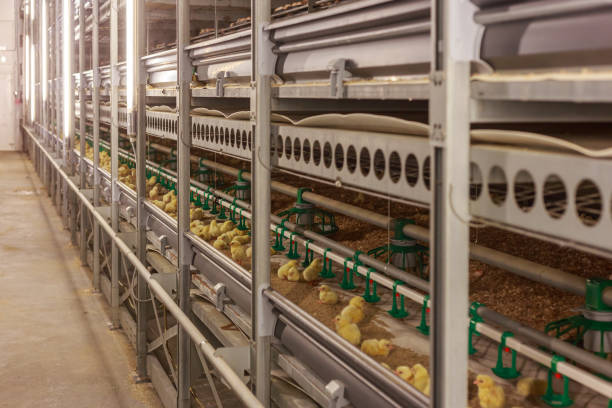
Yes! Most improved cage designs are adaptable. You can use nursery cages for day-old chicks with heat lamps and fine mesh, then transfer them to layer cages once mature. Some farmers also use breeder cages for selective mating programs.
Are the cages easy to clean and maintain?
Absolutely. Because the floors are slatted, droppings fall through into collection trays below. This means no daily scrubbing of bedding — just empty trays weekly and rinse occasionally. Galvanized steel resists rust, so routine wiping keeps them looking new for years.
Do I need electricity to run these systems?
Basic models don’t require power — gravity-fed water lines and manual feeding work fine. But if you want extra automation like lighting schedules or fan cooling, we offer solar-compatible add-ons perfect for off-grid areas around Eldoret.
How much space do I need for 100 Kienyeji hens?
About 10 feet by 8 feet (roughly 3m x 2.4m) for a single-tier cage system. Double-deck models cut floor space usage in half. We always recommend leaving walking room around the unit for ease of access.
Is delivery available to Eldoret?
Yes, we ship fully assembled or flat-packed cages via trusted freight partners directly to Eldoret, Kitale, Eldama Ravine, and nearby areas. Delivery usually takes 14–21 days after order confirmation.

Can I expand my cage system later?
Definitely. Our cages are modular — meaning they connect seamlessly. Start with 50 birds, then add another section when you’re ready. There’s no need to replace the whole system as your farm grows.
Do you offer training on managing caged Kienyeji birds?
Yes, we provide free online resources including videos and guides on feeding schedules, vaccination plans, minimizing stress during transition, and getting the best egg yield. On-request field training is also available via partner agents.
What’s the lifespan of these cages?
With proper care, expect over 10 years of service. The hot-dipped galvanization protects against moisture and corrosion, even in humid zones near Lake Victoria. We offer replacement parts too, so nothing goes to waste.
How do I place an order?
Simply send us your details — name, town, number of birds, and any special requirements — through WhatsApp, email, or our website form. We’ll respond promptly with product images, price quotes, and next steps.